
Inheriting a home can in some ways make you feel like you have hit the jackpot. After all, you now have a huge asset that you can use to your advantage. You may also be able to sell the property and make a profit, which is ideal if you want to move up the property ladder. With that said, there are some steps you need to take before you delve into the process of renovating it.
Take Stock
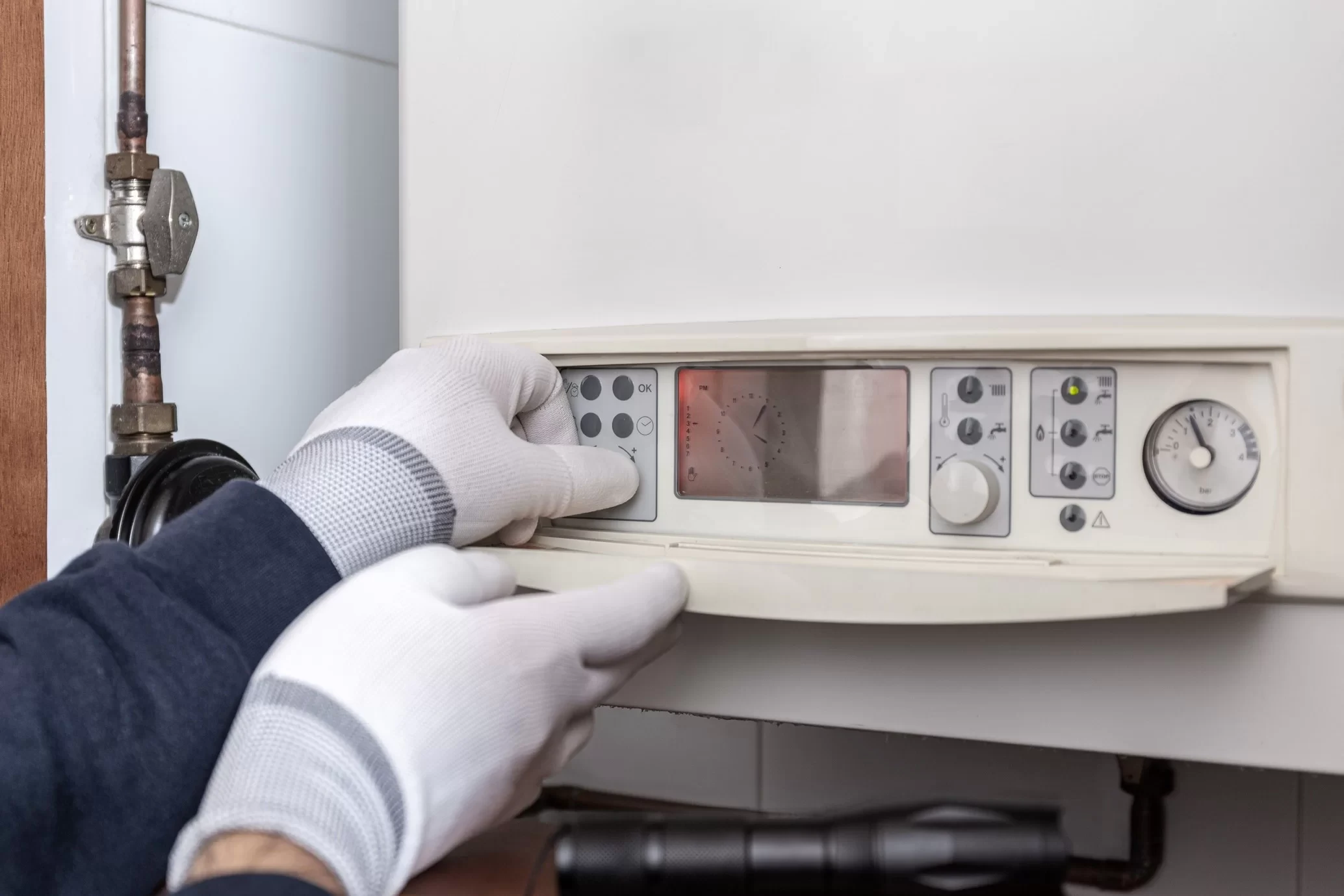
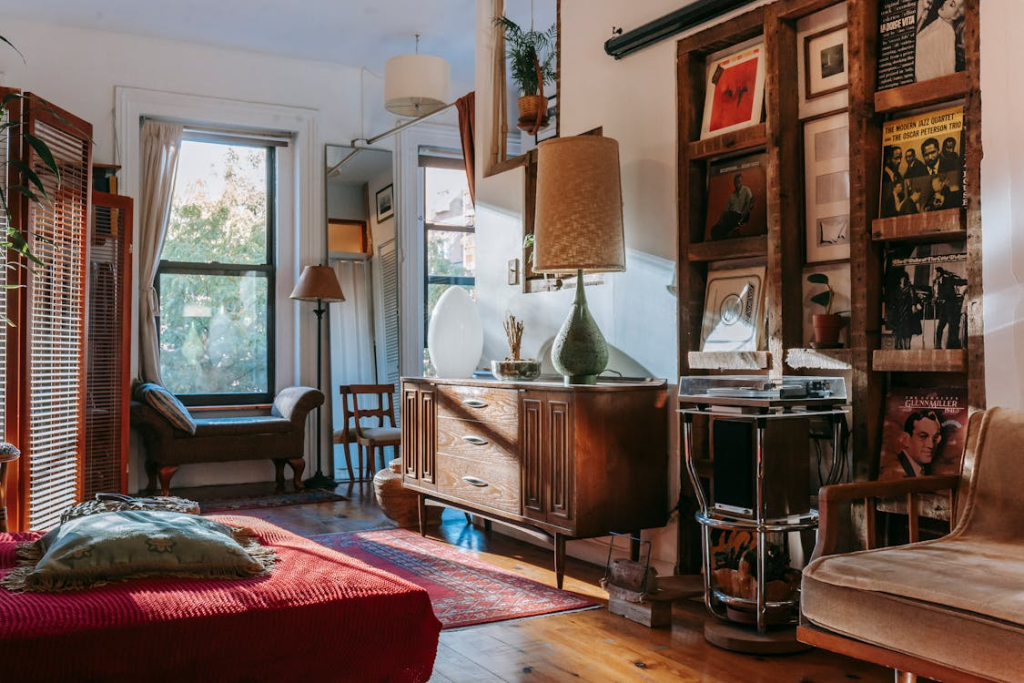
The first thing you need to do is try and take stock of the home before you act. You need to take a walk through each room and find out what works and what doesn’t. You also need to take note of what needs improving and what doesn’t. Pay attention to aesthetics, as well as the structural elements within the home. Now would probably be a good time to check if the boiler’s in good condition, and when it was last serviced. Older homes tend to have older wiring systems too, so if your inherited home is incredibly dated, it’s probably wise to make sure that you don’t ignore issues like this, as they could add up to major expenses down the line.
Set a Goal
The next thing you need to do is set a goal. You need to figure out what it is you want from this property, whether you intend to sell it, rent it out, or move into it. The goal you have will largely shape the decisions you make. At the end of the day, renovations for resale will probably focus on both broad appeal and cost-effectiveness. If you update a home but you plan to live in it, then you may focus on more personal touches instead. If you’re unsure as to where you stand with your home, then it’s always best to get it valued. You can easily find out how much your house is worth online, and all you have to do is type in your postcode. If, at this point, you decide you intend to sell the property and you’re not prepared to make extensive improvements to it, the same site can often give you a fair cash offer regardless of the state it’s in. This method can be ideal as it allows you to eliminate the need for estate agents and the concern of having market competition.
Budget for Everything
Working with an older home can be daunting, especially if it’s one that you have inherited, and therefore, you might not always know what you’re working with. A good idea is to budget for everything. It’s easy to get carried away with all of the upgrades you intend to do, but budgeting is always imperative.
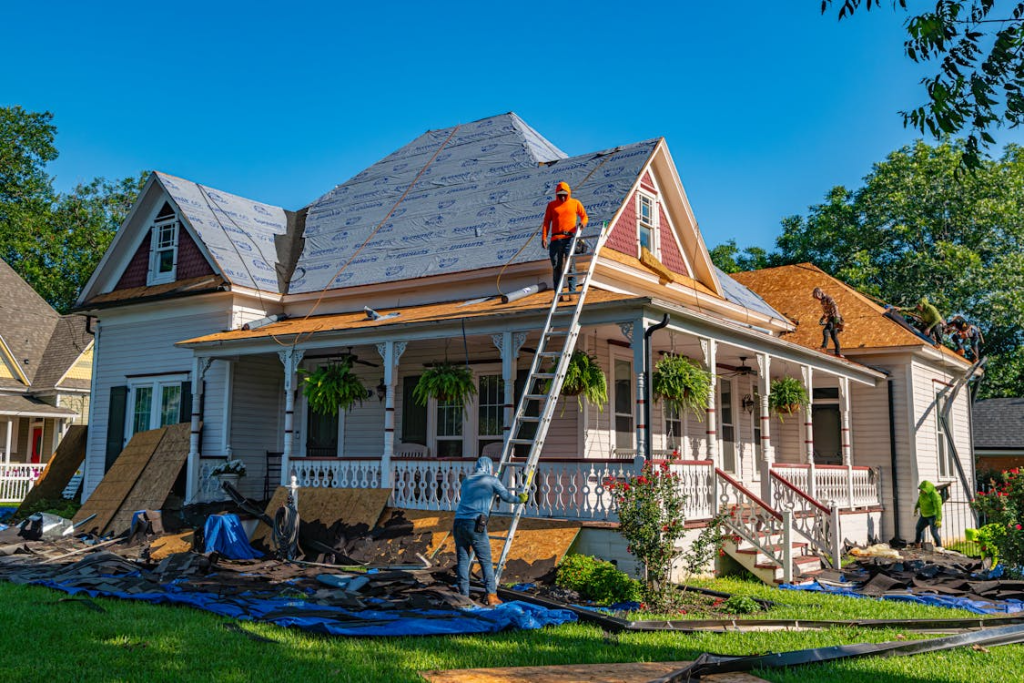
Factor in any renovation costs, but at the same time, take into account any repairs you might have to deal with along the way. Creating a timeline is a good idea here, as is prioritising projects so you can prevent frustration. This way, you can work through everything and make sure that you’re not overestimating how much work is going to be involved, and you’ll be surprised what can be achieved with even the stubbornest of properties.