
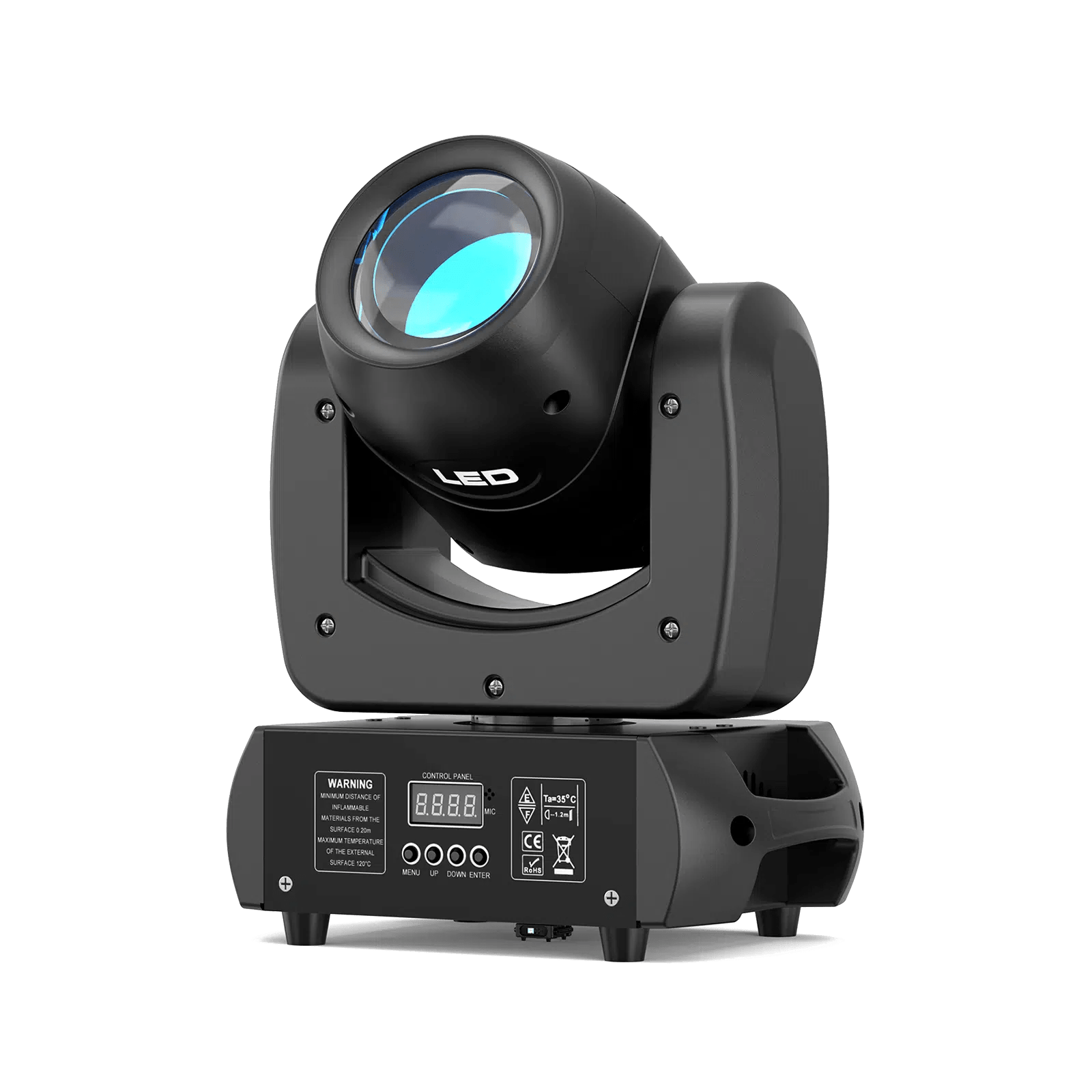
Modern theater productions demand lighting solutions that can adapt to every creative vision, and RGB LED low beam lights have emerged as a game-changing technology in this arena. These versatile fixtures combine the efficiency of LED technology with the full spectrum of color possibilities, allowing lighting designers to paint stages with unprecedented precision and creativity. Whether you’re illuminating an intimate dramatic scene or energizing a high-octane concert performance, RGB LED low beam lights offer the flexibility to match any mood or atmosphere instantly.
The transformation these lights bring extends beyond simple color changes. They represent a fundamental shift in how productions approach visual storytelling, offering dynamic control over intensity, hue, and saturation without the need for cumbersome gel changes or multiple fixture types. From Broadway theaters to community playhouses, concert venues to corporate events, RGB LED low beam lights are redefining what’s possible in stage lighting. This article explores how these innovative fixtures work, their practical applications, and how you can leverage their capabilities to elevate your productions to professional standards.
Introduction to RGB LED Low Beam Lights
RGB LED low beam lights represent a convergence of three fundamental lighting technologies into a single, powerful fixture. At their core, these lights utilize red, green, and blue LED diodes that can be mixed in varying intensities to produce millions of color combinations. Unlike traditional incandescent or halogen fixtures that require physical color filters, RGB LEDs generate color electronically, allowing instant transitions and precise control over every hue in the visible spectrum.
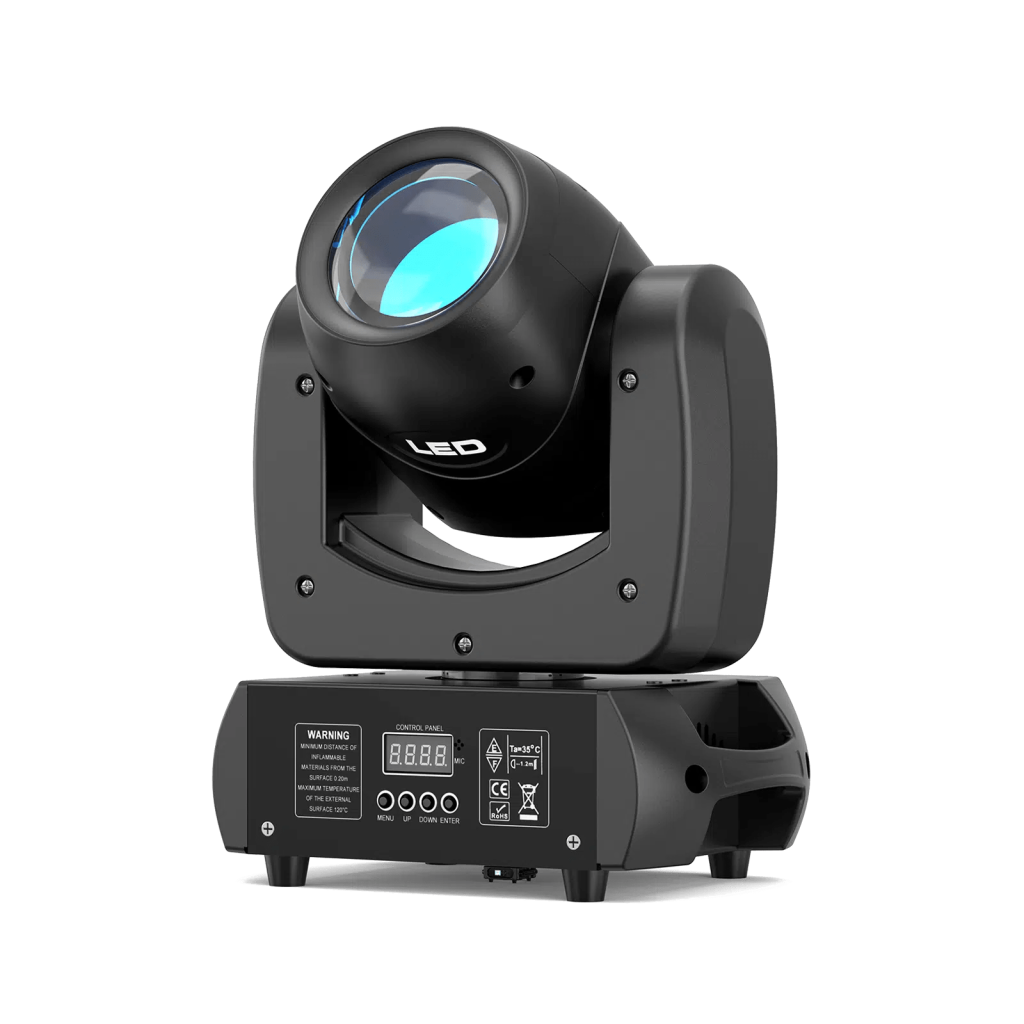
The “low beam” designation refers to the focused, directional nature of these fixtures, which produce concentrated light output ideal for highlighting specific stage areas, actors, or set pieces without excessive spill. This precision makes them particularly valuable for creating depth and dimension in theatrical environments. The LED technology brings substantial practical benefits beyond color flexibility. These fixtures consume significantly less power than conventional lighting, reducing both energy costs and heat output on stage. Their extended lifespan often exceeds 50,000 hours, dramatically reducing maintenance requirements and replacement expenses. The compact form factor of LED technology also allows for lighter, more versatile fixture designs that simplify rigging and positioning. For production teams working with limited budgets or technical resources, RGB LED low beam lights offer professional-grade capabilities without the complexity and ongoing costs associated with traditional theatrical lighting systems.
The Importance of Customizable Lighting
Customizable lighting has become essential for modern productions because it allows directors and designers to shape the emotional landscape of each scene without physical limitations. Traditional lighting systems required technicians to manually swap colored gels or reposition fixtures between scenes, creating delays and restricting creative possibilities during performances. RGB LED low beam lights eliminate these constraints by offering instantaneous color adjustments through digital control, enabling seamless transitions that maintain the flow and intensity of live performances.
The ability to fine-tune lighting in real-time opens new dimensions for storytelling. A single fixture can shift from warm amber tones that evoke intimacy and nostalgia to cool blues that suggest isolation or tension, all within seconds. This flexibility proves particularly valuable when productions tour multiple venues, as lighting designers can quickly adapt their designs to accommodate different stage dimensions, architectural features, and ambient conditions. The same lighting rig that creates dramatic shadows in a black box theater can be recalibrated to fill a larger proscenium stage with vibrant color washes.
Beyond artistic considerations, customizable lighting delivers practical advantages for venues hosting diverse events. A theater presenting classical drama one night and contemporary dance the next can transform its lighting atmosphere completely without investing in separate equipment sets. This versatility maximizes return on investment while reducing storage requirements and setup complexity. For educational institutions and community theaters operating with limited budgets, the adaptability of RGB LED systems means a single lighting package can serve multiple productions throughout a season, making professional-quality lighting accessible to organizations that previously couldn’t justify specialized equipment purchases.
Concert Lighting: A New Era
Concert lighting has undergone a dramatic transformation with the introduction of RGB LED low beam lights, shifting from static, predictable setups to dynamic visual experiences that pulse with the energy of live music. Traditional concert lighting relied heavily on banks of par cans with fixed colors and moving head fixtures that required substantial power infrastructure and generated intense heat. Modern RGB LED systems have democratized sophisticated lighting design, making effects once reserved for arena tours accessible to club performances and mid-sized venues.
The synchronization capabilities of RGB LED low beam lights allow designers to create immersive environments where lighting becomes an extension of the music itself. These fixtures can execute rapid color changes that match tempo shifts, build intensity during crescendos, and create intimate moments during acoustic segments. The precision beam control enables designers to highlight individual band members during solos while maintaining overall stage atmosphere, adding visual storytelling that enhances audience connection with performers. The reduced power consumption and heat output also improve performer comfort during extended shows, while the compact fixture profiles allow for creative rigging configurations that were impractical with older technology. For touring acts, the lightweight nature of LED fixtures reduces transportation costs and setup time, while their durability withstands the rigors of constant loading and unloading between venues.
Sound Activated Lights
Sound activated lighting represents one of the most exciting features of modern RGB LED low beam lights, creating automatic synchronization between audio and visual elements without requiring manual programming. These fixtures incorporate built-in microphones or audio input connections that analyze sound frequencies, volume levels, and rhythmic patterns to trigger corresponding lighting changes. When music hits a bass note, lights might pulse with deep reds and purples, while high-frequency sounds can trigger sharp white flashes or rapid color transitions.
The theatrical applications extend beyond concerts into dramatic productions where sound effects and musical underscoring can automatically influence lighting atmosphere. A thunderclap in a storm scene can trigger lightning-like flashes, while the crescendo of orchestral music during an emotional climax can intensify stage illumination organically. This automation reduces the burden on lighting operators during complex sequences and creates more natural, reactive environments that feel spontaneous rather than mechanically programmed. For smaller productions without dedicated lighting technicians, sound activation provides professional-looking effects that respond dynamically to performances without requiring constant manual adjustments. The technology has become sophisticated enough to distinguish between different frequency ranges, allowing designers to assign specific colors or effects to vocals, percussion, or instrumental sections, creating layered visual responses that mirror the complexity of the audio landscape.
How to Choose the Right RGB LED Low Beam Lights
Selecting appropriate RGB LED low beam lights for your production requires careful evaluation of several technical and practical factors that directly impact performance quality and operational efficiency. Begin by assessing your venue’s specific requirements, including stage dimensions, ceiling height, and the typical distance between fixtures and performance areas. Beam angle becomes critical here—narrower beams around 15-25 degrees work well for spotlighting individual performers or set pieces from greater distances, while wider 40-60 degree beams provide better coverage for wash lighting across larger stage sections.
Light output capacity, measured in lumens, determines whether fixtures can deliver sufficient brightness for your applications. Smaller venues with controlled ambient light may function well with fixtures producing 1,000-3,000 lumens per unit, while larger theaters or spaces with competing light sources require 5,000 lumens or more to achieve visible impact. Consider the color rendering index (CRI) as well, particularly for dramatic productions where accurate skin tones and costume colors matter—fixtures with CRI ratings above 90 reproduce colors more faithfully than lower-rated alternatives.
Control compatibility represents another essential consideration. Determine whether your existing lighting console supports DMX512 protocol, and verify how many control channels each fixture requires—basic RGB fixtures use three channels while more advanced models with white LEDs, dimming curves, and strobe effects may need six or more channels per unit. Budget not just for fixture acquisition but also for mounting hardware, safety cables, power distribution, and potential control system upgrades. Finally, evaluate the manufacturer’s reputation for reliability and availability of local technical support, as lighting failures during performances can prove catastrophic. Manufacturers like UKING Stage Lighting and others offer fixtures backed by comprehensive warranties and accessible replacement parts that provide better long-term value than budget options that may leave you scrambling for solutions when problems arise.
Installation and Setup
Proper installation of RGB LED low beam lights begins with creating a detailed lighting plot that maps fixture positions, power requirements, and cable routing before any physical work commences. Start by identifying mounting positions that provide optimal beam angles for your intended coverage areas, ensuring fixtures have clear sightlines to performance spaces without obstructions from scenery or architectural elements. Most RGB LED fixtures include mounting brackets that attach to standard lighting pipes or truss systems using C-clamps—always secure each fixture with a rated safety cable attached to an independent mounting point as backup protection against bracket failure.
Power distribution requires careful planning to avoid overloading circuits. Calculate the total wattage of all fixtures on each circuit, leaving at least 20% capacity margin for safety. RGB LED lights typically draw far less power than traditional fixtures, but connecting too many units to a single circuit can still trip breakers during critical moments. Run DMX cables separately from power lines to prevent electrical interference that can cause flickering or erratic behavior. Use proper DMX terminators at the end of each cable run to ensure signal integrity, and address each fixture with a unique DMX starting channel using the onboard display or dip switches.
Once fixtures are mounted and connected, conduct thorough testing before technical rehearsals. Power up the system gradually, checking each fixture individually to verify proper color mixing, dimming response, and communication with your control console. Program basic cues that cycle through primary colors and white to identify any fixtures with inconsistent output or color calibration issues. Document the DMX address and physical location of each fixture for future troubleshooting, and train crew members on safe focusing procedures using appropriate ladders and personal protective equipment. This systematic approach prevents last-minute complications and ensures your lighting system performs reliably throughout your production run.
Control Systems
Control systems serve as the command center for RGB LED low beam lights, translating artistic vision into precise electrical signals that govern color, intensity, and timing. The DMX512 protocol remains the industry standard for theatrical lighting control, transmitting data through dedicated cables that connect fixtures in a daisy-chain configuration to a central console. Entry-level DMX controllers feature physical faders and buttons that provide tactile control over individual channels, making them intuitive for operators who prefer hands-on adjustments during performances. These basic systems work well for smaller productions with straightforward lighting designs and limited cue sequences.
More sophisticated productions benefit from computer-based control systems that offer extensive programming capabilities and automation features. Software platforms allow designers to create complex cue sequences with precise timing, fade rates, and color transitions that can be triggered manually or automated to follow show timelines. Many modern systems integrate with show control software, synchronizing lighting changes with audio playback, video projection, and mechanical effects for seamless multimedia presentations. Wireless DMX systems have gained popularity for their installation flexibility, eliminating cable runs between control positions and lighting fixtures, though they require careful frequency management to avoid interference in venues with dense wireless environments.
For productions requiring mobile control or distributed operation, tablet and smartphone applications now provide remote access to lighting systems, allowing designers to adjust fixtures from anywhere in the venue during focus sessions or technical rehearsals. When selecting a control system, ensure it provides adequate channel capacity for your current fixture count plus room for expansion, and verify compatibility with your specific RGB LED models to access all available features and functions.
Real-World Applications
The versatility of RGB LED low beam lights becomes most apparent when examining their implementation across diverse production environments. At the Steppenwolf Theatre in Chicago, lighting designer Heather Gilbert transformed a minimalist production of “The Minutes” using RGB LED fixtures to create distinct atmospheric shifts between present-day city council meetings and historical flashbacks. By programming subtle color temperature changes—warm amber for contemporary scenes and cooler, desaturated tones for period sequences—she established temporal context without relying on elaborate set changes. The fixtures’ precise beam control allowed her to isolate individual actors during monologues while maintaining ensemble visibility during group scenes, creating visual hierarchy that guided audience focus throughout the performance.
Concert venues have embraced RGB LED low beam lights to create signature visual identities for touring artists. The Fillmore in San Francisco installed a comprehensive RGB LED system that adapts to each performer’s aesthetic requirements. For indie folk acts, technicians program gentle color washes that complement intimate acoustic performances, while electronic music events utilize rapid strobing and synchronized color chases that amplify the kinetic energy of the music. This flexibility has allowed the venue to attract a broader range of artists while maintaining consistent technical quality across genres. The reduced heat output proved particularly valuable during summer shows, where traditional lighting systems previously created uncomfortable stage temperatures that affected performer endurance.
Corporate events represent another growth area for RGB LED applications. When Microsoft launched a product line at the Convention Center in Seattle, event designers used RGB LED low beam lights to transform the space throughout the presentation. Opening segments featured the company’s signature blue and green brand colors, while product demonstrations shifted to warmer tones that highlighted device screens and presenter faces. The lighting transitioned dynamically during video presentations, dimming automatically while maintaining subtle accent lighting that preserved spatial awareness without competing with projection content. The event’s success demonstrated how RGB LED technology enables corporate productions to achieve broadcast-quality visual polish that reinforces brand messaging and maintains audience engagement.
Educational institutions have discovered that RGB LED low beam lights make professional lighting techniques accessible to student productions. At Northwestern University’s theater department, students learn lighting design principles using RGB LED fixtures that forgive experimentation without the expense and complexity of traditional systems. The immediate visual feedback from color mixing exercises helps students understand color theory practically, while the fixtures’ durability withstands the learning curve of inexperienced technicians. Productions ranging from Shakespeare to contemporary works utilize the same core lighting package, with students reprogramming fixtures to suit each production’s unique requirements, developing transferable skills that prepare them for professional environments.
Future Trends in Theater Lighting
The evolution of theater lighting continues to accelerate as emerging technologies converge with traditional stagecraft principles. Wireless control systems are becoming increasingly sophisticated, with fixtures that communicate bidirectionally with control consoles, providing real-time diagnostic data and automated calibration capabilities. This connectivity enables lighting designers to monitor fixture health remotely and address potential issues before they impact performances. Integration with artificial intelligence represents another frontier, where machine learning algorithms analyze script content, musical scores, and even performer movements to suggest lighting cues that enhance emotional impact. Some experimental systems now adjust lighting automatically based on audience reactions captured through thermal imaging and sound analysis, creating truly responsive environments.
Miniaturization of LED technology promises even more compact fixtures with greater output efficiency, while advances in color science are producing LEDs with expanded spectral ranges that reproduce colors beyond standard RGB mixing. Fixtures incorporating amber, lime, and cyan emitters alongside traditional red, green, and blue diodes achieve more accurate color rendering and richer pastel tones. Sustainable practices are driving development of fixtures manufactured from recycled materials with modular components that extend lifespan through easy repairs rather than complete replacements. The convergence of lighting with projection mapping and holographic technologies hints at future productions where the distinction between light and scenery dissolves entirely, creating immersive environments that transform instantaneously without physical set changes.
Embracing the Future of Stage Lighting
RGB LED low beam lights have fundamentally transformed the landscape of theatrical and event lighting, offering unprecedented flexibility, efficiency, and creative control to production teams across all budget levels. From their ability to generate millions of colors instantly to their energy-efficient operation and extended lifespan, these fixtures address the practical and artistic needs of modern productions. Whether you’re designing lighting for intimate theater, high-energy concerts, corporate events, or educational productions, RGB LED technology provides the tools to realize your creative vision without the limitations of traditional lighting systems. As the technology continues to evolve with wireless control, AI integration, and enhanced color rendering capabilities, RGB LED low beam lights will remain at the forefront of lighting innovation, empowering designers to create increasingly sophisticated and immersive visual experiences that captivate audiences and elevate storytelling to new heights.