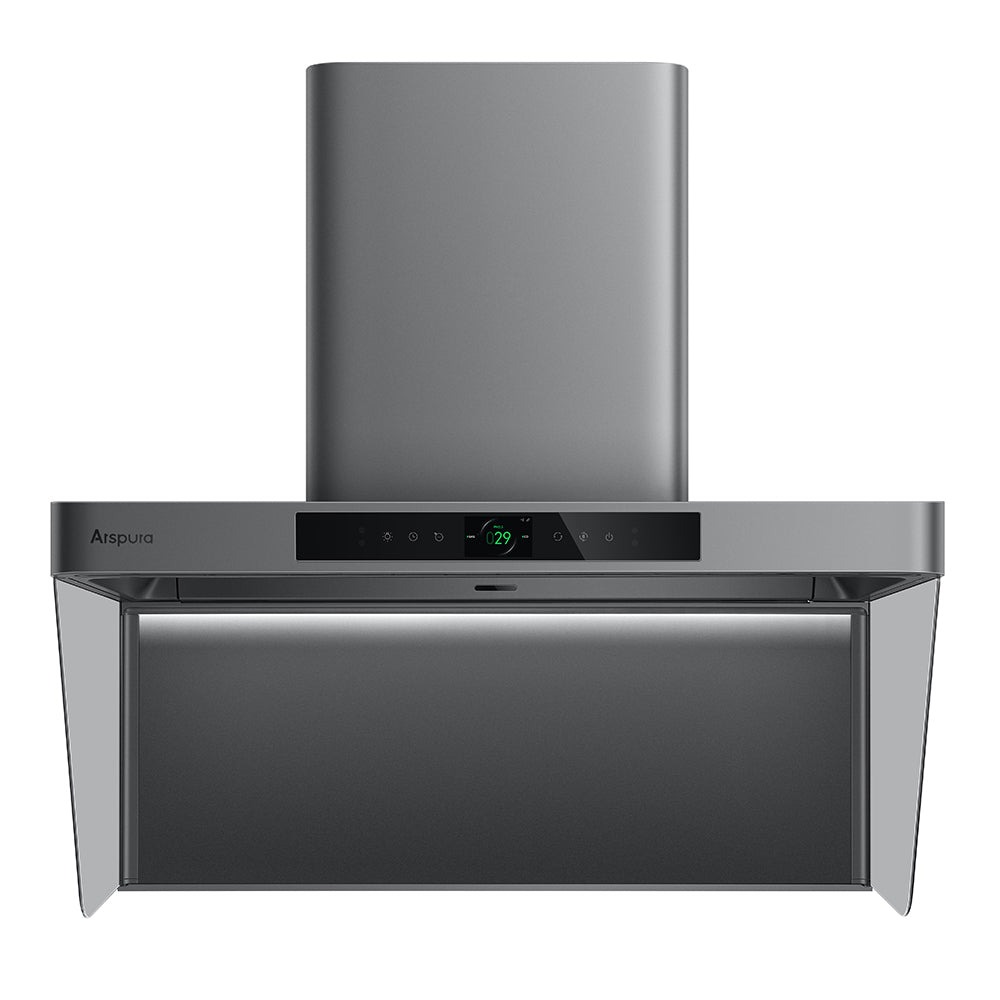
Every home cook knows that preparing meals creates more than just delicious food. Smoke, steam, grease particles, and lingering odors fill your kitchen during cooking, affecting not only comfort but also the long-term condition of your home. Without proper ventilation, these byproducts settle on surfaces, discolor walls, and compromise indoor air quality. This is where an effective kitchen ventilation system becomes essential.
Among the various ventilation options available, ducted range hoods stand out as the gold standard for removing unwanted cooking emissions from your home. Unlike their recirculating counterparts that filter and return air back into the kitchen, ducted systems actively expel contaminated air outside through dedicated ductwork. This fundamental difference translates into superior performance and tangible benefits that enhance both your cooking experience and home environment. Understanding these advantages helps homeowners make informed decisions about their kitchen ventilation needs and invest in solutions that deliver lasting value.
Understanding the Role of a Range Hood
A range hood serves as your kitchen’s primary defense system against the invisible and visible consequences of cooking. Mounted directly above your stovetop or cooktop, this ventilation appliance captures and manages the complex mixture of byproducts that rise from pots, pans, and cooking surfaces during meal preparation. When you sauté vegetables, sear meat, or simmer sauces, combustion gases, water vapor, aerosolized grease, and volatile organic compounds rise upward through natural convection. The range hood intercepts this contaminated air stream before it disperses throughout your kitchen and home.
The fundamental operation involves a motorized fan that creates negative pressure, drawing air upward into the hood’s capture area. Once captured, the air follows one of two paths depending on the hood type. Ducted range hoods channel this air through metal ductwork that terminates outside your home, permanently removing pollutants from your indoor environment. Ductless or recirculating models instead pass the air through filters—typically charcoal and mesh—before releasing it back into the kitchen. While both approaches provide some level of ventilation, the distinction between expelling contaminated air versus cleaning and recirculating it creates significant performance differences that impact everything from air quality to maintenance requirements. The hood’s positioning, capture area dimensions, and fan power all contribute to its effectiveness in protecting your kitchen environment from the cumulative effects of daily cooking activities.
How to Choose the Right Range Hood
Selecting an appropriate range hood requires balancing several technical considerations with your specific cooking habits and kitchen configuration. Start by evaluating your cooking style and frequency. If you regularly prepare high-heat dishes, stir-fries, or meals involving substantial oil use, you’ll need a more powerful system than someone who primarily reheats food or prepares simple meals. The type of cooktop you own also matters—gas ranges produce combustion byproducts that demand more robust ventilation compared to electric or induction cooktops.
Physical dimensions present another critical factor. Your range hood should extend at least as wide as your cooking surface, with many experts recommending an additional three inches on each side for optimal capture efficiency. The mounting height matters too, typically ranging from 24 to 30 inches above electric cooktops and 28 to 36 inches above gas ranges. Proper height ensures effective capture without interfering with your cooking activities or sightlines.
Airflow capacity, measured in cubic feet per minute (CFM), determines how quickly the hood can exchange contaminated air. Calculate your minimum requirement by multiplying your kitchen’s cubic footage by 15 for standard use, or consider the BTU output of gas ranges—you’ll need approximately 1 CFM for every 100 BTUs. However, higher CFM ratings often correlate with increased noise levels, measured in sones. Balancing power with acceptable sound output ensures comfortable kitchen operation. Finally, consider whether your home’s structure and local building codes accommodate external venting through walls or roofs, as this determines whether a ducted installation is feasible and influences the ductwork routing complexity that affects both installation costs and long-term performance efficiency.
5 Key Benefits of Ducted Range Hoods
Enhanced Air Quality
The most significant advantage of ducted range hoods lies in their ability to dramatically improve indoor air quality by permanently removing pollutants rather than simply filtering and recirculating them. When you cook, your kitchen becomes a source of numerous airborne contaminants that pose both immediate comfort issues and long-term health concerns. Nitrogen dioxide and carbon monoxide from gas combustion, particulate matter from high-heat cooking methods, formaldehyde released from certain foods at elevated temperatures, and volatile organic compounds from oils and fats all contribute to a complex mixture of indoor air pollution.
Ducted systems address this challenge at its source by creating a direct pathway for contaminated air to exit your home entirely. The moment pollutants rise from your cooking surface, the hood’s fan draws them upward and propels them through ductwork to the exterior, preventing any opportunity for these substances to disperse into your living spaces. This complete removal proves particularly valuable for households with members who have respiratory sensitivities, allergies, or asthma, as it eliminates triggers that recirculating hoods would merely redistribute.
The air quality benefits extend beyond immediate cooking sessions. Without proper external venting, microscopic grease particles and moisture gradually accumulate on kitchen surfaces, creating environments where mold and bacteria thrive. These secondary pollutants then become ongoing sources of poor air quality long after cooking ends. Ducted hoods prevent this accumulation cycle by removing moisture-laden air before condensation occurs and capturing grease before it becomes airborne throughout your kitchen. The result is a consistently cleaner breathing environment that protects your family’s respiratory health while reducing exposure to cooking-related pollutants that the Environmental Protection Agency identifies as significant contributors to indoor air quality problems.
Increased Efficiency
Ducted range hoods operate with superior efficiency compared to recirculating models, translating into more effective ventilation with less energy consumption and maintenance burden. The fundamental advantage stems from the system’s straightforward operation—contaminated air travels in one direction through the hood and ductwork to the outside, requiring only sufficient fan power to overcome duct resistance. Recirculating hoods must work harder to push air through multiple filter layers, creating resistance that demands more powerful motors running at higher speeds to achieve comparable airflow rates.
This efficiency advantage manifests in several practical ways. Ducted systems typically achieve their target ventilation performance at lower fan speeds, which means quieter operation during routine cooking. When you’re preparing everyday meals, a moderate fan setting effectively removes cooking byproducts without creating disruptive noise that interferes with kitchen conversations or adjacent living spaces. The ability to use lower settings for standard cooking tasks also extends motor lifespan by reducing wear on mechanical components.
Maintenance requirements further demonstrate the efficiency benefits of ducted installations. These systems use simple mesh or baffle filters designed solely to capture grease before it enters the ductwork, preventing buildup that could create fire hazards or restrict airflow. Cleaning these filters involves straightforward washing with degreasing detergent every few weeks or running them through your dishwasher. Recirculating hoods require this same grease filter maintenance plus regular replacement of charcoal filters that lose effectiveness over time, typically every three to six months depending on cooking frequency. These charcoal filters represent an ongoing expense and environmental waste stream that ducted systems entirely eliminate.
The operational efficiency also means ducted hoods maintain consistent performance over time. As long as ductwork remains properly installed and grease filters receive regular cleaning, the system’s ventilation capacity remains stable year after year. Recirculating models experience gradual performance degradation as charcoal filters saturate, creating periods of diminished effectiveness between replacements. For serious home cooks who depend on reliable ventilation during intensive cooking sessions, this consistent performance proves invaluable, ensuring that your ventilation system responds predictably regardless of when you last performed maintenance or how long you’ve owned the appliance.
Reduced Cooking Odors
Perhaps the most immediately noticeable benefit of ducted range hoods is their exceptional ability to eliminate cooking odors from your home environment. Anyone who has prepared fish, sautéed garlic, or fried foods knows how these aromas permeate not just the kitchen but adjacent rooms, upholstery, curtains, and even clothing. These odors result from volatile organic compounds that become airborne during cooking, dispersing rapidly through your home’s air circulation patterns. Once these molecules settle into porous materials and fabrics, they linger for hours or even days, creating persistent reminders of past meals that can feel uncomfortable when entertaining guests or simply trying to enjoy a fresh-smelling home.
Ducted range hoods address this challenge with remarkable effectiveness by capturing odor-causing compounds at their source and expelling them outside before they have any opportunity to spread. The key lies in the system’s ability to create focused airflow patterns directly above your cooking surface. As aromatic compounds rise with heat and steam, the hood’s capture area intercepts this concentrated stream and immediately channels it into the ductwork. This instant removal prevents the dilution and dispersal that occurs when odors escape the hood’s capture zone, where they mix with room air and spread throughout your home.
The contrast with recirculating hoods becomes particularly apparent with strong-smelling ingredients. Charcoal filters in ductless models can absorb some odor molecules, but their capacity is finite and diminishes with each use. Pungent foods like curry spices, kimchi, or blue cheese often overwhelm these filters entirely, passing through largely unfiltered. Even when charcoal filters are fresh, they cannot match the complete odor elimination that ducted systems achieve through physical removal. The difference becomes especially noticeable in open-concept homes where kitchen odors have unobstructed paths to living areas, bedrooms, and home offices.
Beyond immediate odor control during cooking, ducted ventilation prevents the gradual scent accumulation that affects homes relying on recirculating ventilation. Over time, microscopic food particles and grease aerosols that escape inadequate filtration settle on kitchen surfaces, inside cabinets, and on walls. These deposits become reservoirs of stale cooking odors that intensify with each meal preparation, creating a characteristic “kitchen smell” that homeowners often stop noticing but visitors immediately detect. Ducted hoods prevent this accumulation by removing these particles before they can settle, maintaining a neutral-smelling kitchen environment that requires less frequent deep cleaning and repainting to address odor absorption into building materials.
Energy Efficiency
While it might seem counterintuitive that removing conditioned air from your home could improve energy efficiency, ducted range hoods actually contribute to lower overall energy consumption through several mechanisms that extend beyond the ventilation system itself. The primary efficiency advantage comes from the hood’s ability to remove heat and humidity at their source before these byproducts force your HVAC system to work harder. During cooking, stovetops and ovens generate substantial thermal energy that radiates into your kitchen, raising ambient temperatures by several degrees during meal preparation. Without effective external venting, this heat spreads throughout your home, triggering your air conditioning system to activate more frequently during warm months.
Ducted range hoods intercept this rising heat column directly above the cooking surface, channeling it outside along with steam and combustion gases. This targeted heat removal proves far more energy-efficient than allowing thermal energy to disperse throughout your home and then relying on your central HVAC system to cool the entire space back to comfortable temperatures. The localized intervention requires significantly less energy expenditure than whole-home temperature correction, particularly in larger residences where cooking heat would otherwise affect multiple rooms. During winter months, while you do lose some heated air through ventilation, the amount is relatively small compared to the total air volume your heating system manages, and the improved comfort from reduced humidity and cooking heat often means you can maintain lower thermostat settings elsewhere in your home.
Humidity management represents another critical energy efficiency dimension. Cooking releases substantial water vapor through boiling, steaming, and the natural moisture content of foods. This humidity increase forces air conditioning systems to work harder since humid air feels warmer and requires more energy to cool than dry air. Excessive indoor humidity also encourages your air conditioner to run longer dehumidification cycles, consuming additional electricity beyond temperature control needs. By venting moisture-laden air directly outside, ducted hoods prevent this humidity burden from reaching your HVAC system, allowing it to operate more efficiently and cycle less frequently. This benefit proves particularly valuable in humid climates where indoor moisture control already challenges cooling systems.
The long-term energy efficiency advantages extend to reduced wear on HVAC components and improved system longevity. When your heating and cooling equipment doesn’t face the additional burden of constantly correcting temperature and humidity fluctuations from cooking activities, motors, compressors, and heat exchangers experience less stress and fewer operating cycles. This translates into lower maintenance costs, extended equipment lifespan, and delayed replacement expenses. Additionally, ducted hoods’ simpler motor requirements compared to recirculating models mean the ventilation system itself consumes less electricity during operation, as it doesn’t need to overcome the resistance of multiple filter layers. When you combine the hood’s direct energy consumption with the indirect HVAC savings, ducted systems demonstrate clear efficiency advantages that accumulate into meaningful cost reductions over years of daily cooking activities, making them an investment that pays dividends through reduced utility bills and equipment maintenance expenses.
Making the Right Choice for Your Kitchen
Investing in a ducted range hood represents one of the most impactful upgrades you can make to your kitchen environment. The benefits extend far beyond simple ventilation, touching every aspect of your cooking experience and home comfort. From permanently removing harmful pollutants and allergens to eliminating persistent cooking odors that would otherwise permeate your living spaces, ducted systems deliver performance that recirculating models simply cannot match. The operational efficiency advantages reduce both your maintenance burden and ongoing costs, while the energy savings from targeted heat and humidity removal contribute to lower utility bills and reduced strain on your HVAC system.
For homeowners who take cooking seriously or simply want to maintain a healthier, more comfortable living environment, the choice becomes clear. While ducted range hoods may require more complex installation than their ductless counterparts, the long-term advantages justify this initial investment. Whether you’re exploring options from established home supply brands like Arspura or comparing various manufacturers, prioritize ducted systems that match your kitchen’s specific ventilation requirements. You’ll enjoy cleaner air with every meal you prepare, a kitchen that stays fresher and requires less intensive cleaning, and the peace of mind that comes from knowing you’re protecting your family’s respiratory health. As you consider your kitchen ventilation options, remember that a stainless steel range hood isn’t just an appliance—it’s a fundamental component of a healthy home that delivers value every single day you cook.