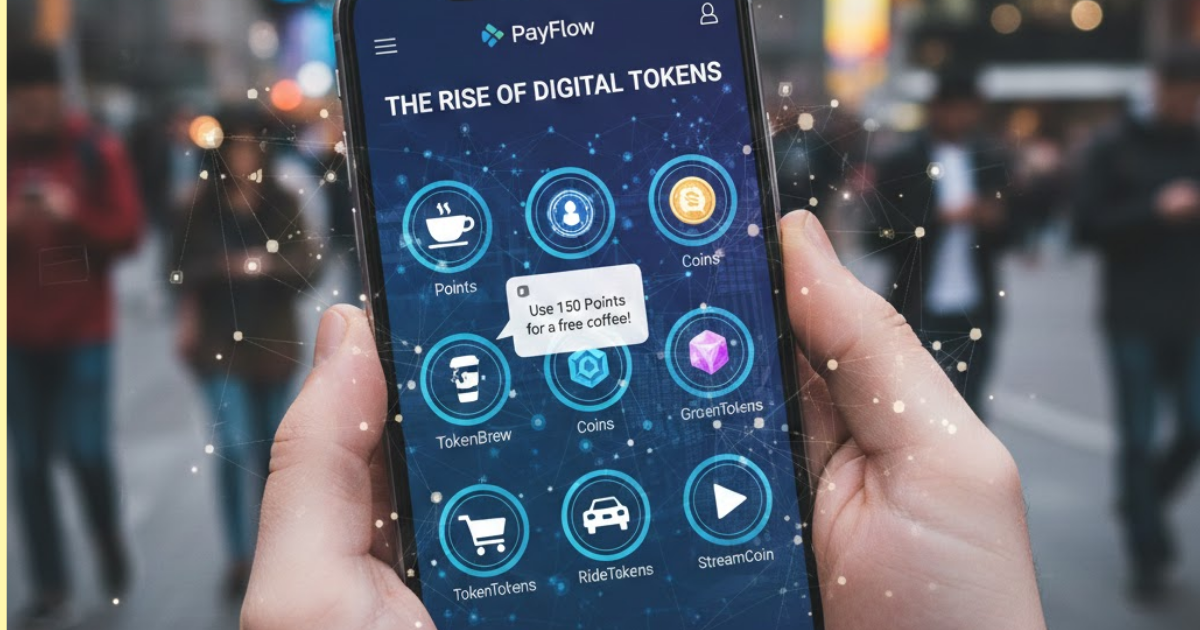
Scroll through any app store today and you’ll notice a quiet shift happening across the digital world. Fitness apps reward steps with coins. Social platforms hand out badges for streaks. Learning tools offer gems for completed lessons. Even entertainment platforms have adopted dual-currency systems that feel surprisingly familiar. Understanding what is sweepstakes casino helps explain this broader trend, because the same ideas behind virtual coins, free entry mechanics, and reward-based engagement are now shaping how everyday apps keep people active, motivated, and connected.
Digital tokens are no longer just game mechanics they’ve become the language of interaction in modern apps. They translate effort into progress, loyalty into perks, and participation into recognition. And users respond to it because the structure mirrors something natural: people like seeing instant feedback for their actions.
What once existed mostly inside video games has expanded into nearly every part of digital life. Language-learning apps give gems to unlock lessons. Wellness apps use virtual currencies to track self-care habits. Productivity tools turn completed tasks into points that unlock custom features. This isn’t accidental — it’s a deliberate design strategy built around motivation loops.
Why Digital Tokens Work So Well
Tokens give users a sense of momentum. When every action results in a coin, point, or badge, progress becomes visible instead of abstract. That visibility keeps people returning. It’s not about the coin itself — it’s about the satisfaction of watching numbers grow.
There’s also a psychological benefit. Tokens gamify routines that might otherwise feel dull. A 10-minute meditation session becomes part of a streak. A completed workout fills a digital bar. A daily login earns a reward even before the user takes any real action. The system keeps engagement steady without feeling forced.
The Two-Currency Model Comes to Mainstream Apps
Many platforms now use two forms of currency: one that’s earned gradually through activity and one that can be purchased or unlocked through premium features. This mirrors models used in gaming and reward-based entertainment systems.
The balance is intentional:
- Earned tokens motivate daily use and build habit loops.
- Premium tokens create optional upgrades for users who want to accelerate progress.
Apps from social communities to educational platforms rely on this structure to scale without overwhelming users with ads or paywalls.
Digital Tokens Help Build Long-Term Communities
Tokens also serve another purpose: shaping behaviour within communities.
They can be used to:
- Highlight top contributors
- Encourage helpful actions
- Reward creative content
- Incentivise positive engagement
When users can visibly “earn” their status, the community becomes more active and self-sustaining. Platforms from forums to fitness groups rely on token systems to keep discussions lively and supportive.
The Future: More Than Just Points on a Screen
As digital habits evolve, token systems are becoming more sophisticated. They’re tied to achievements, but also identity. Some platforms let users customise their profile based on earned rewards. Others offer access to exclusive features or private groups.
The broader shift shows that digital tokens are becoming part of how people navigate — and understand — online experiences. They simplify complexity, reward effort, and create structure in a world overflowing with content.
The question isn’t whether more apps will adopt token systems; it’s how far they’ll go in blending utility, motivation, and entertainment. What began as a feature of games and sweepstakes-style platforms is now shaping the future of everyday digital life.