
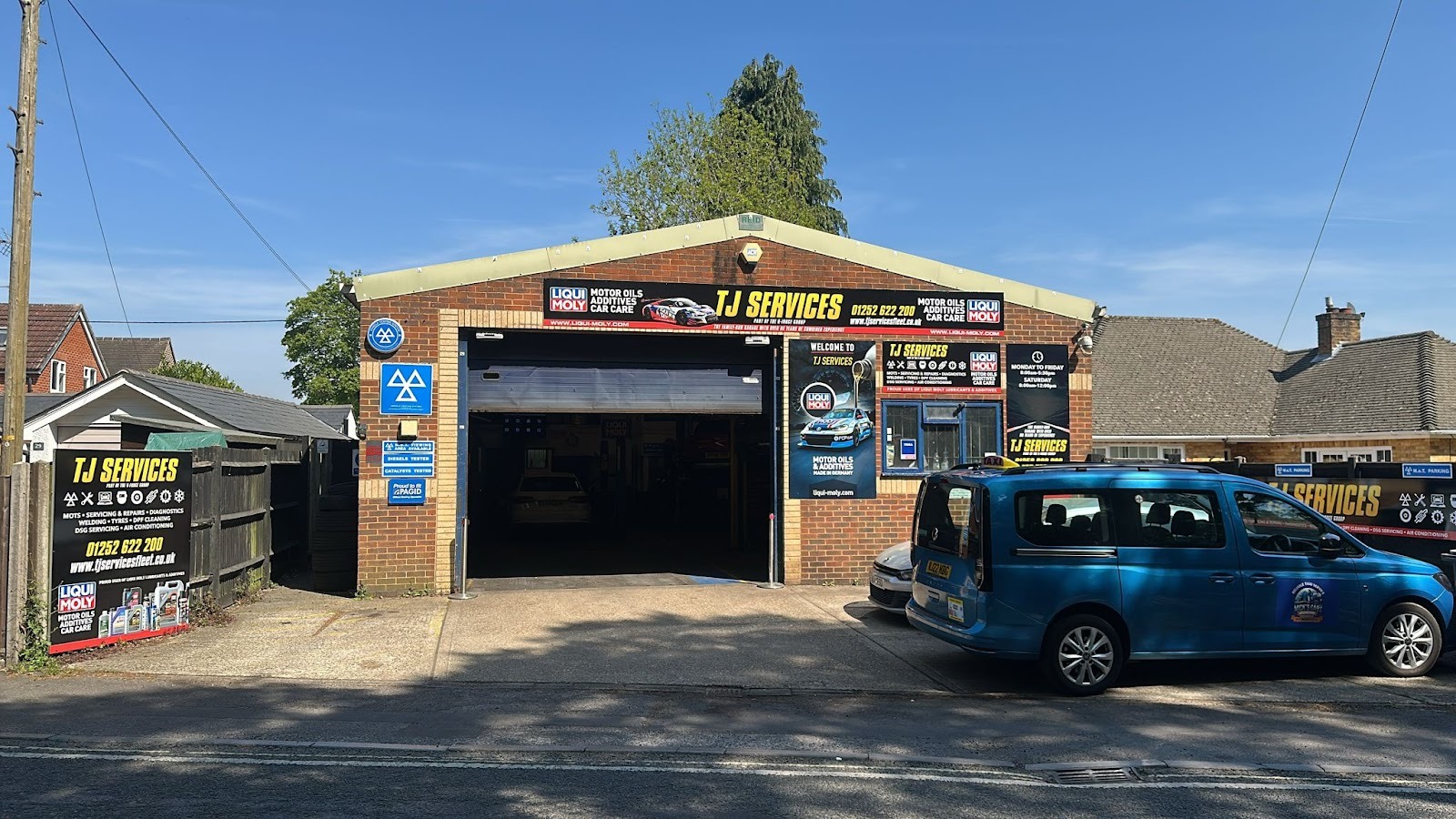
Learn what happens when you book a combined MOT and service, from checks to costs, keeping your car safe, legal and running all year round.When you book a combined MOT and service at garages like TJ Services in Fleet, Hampshire, you’re not just ticking a legal box. You’re giving your car a full health and safety check in one visit, with one bill and one set of keys to return.
A combined MOT and service means the garage carries out your annual MOT safety and emissions test alongside an interim, full, or major service. You can expect a legal roadworthiness check, fresh oil and filters, a detailed inspection of brakes, tyres, steering, and suspension, clear advice on urgent repairs and advisories, and, in most cases, a cost savings compared with booking both separately.
Now let’s break it down so you know exactly what will happen on the day.
MOT vs Service: What Each One Actually Does?
Before you combine them, you need to know what each part is doing for you.
The MOT is the legal check. It assesses whether your car is safe and roadworthy to the minimum standards set by the DVSA. The tester checks items such as lights, brakes, tyres, suspension, steering, windscreen, wipers, seatbelts, body structure, exhaust, and emissions. If something does not meet the standard, the car fails. If it is worn but not yet dangerous, it becomes an advisory.
A service is about condition and reliability, not just legality. It follows the manufacturer schedule. A service focuses on fresh oil and filters, fluid levels, brake and suspension wear, the battery and charging system, and engine performance. A serviced car should feel smoother, be more efficient, and be less likely to break down.
When you combine them, you get both: the legal green light and the deeper health check in one visit.
Types of Service You Might Be Offered
When you book a combined slot, the garage will usually ask which level of service you want with your MOT.
You will normally hear three terms:
Interim service
If you live in Fleet or the surrounding areas, booking your interim service together with an MOT at your local MOT test centre in Fleet is an easy way to keep everything up to date in one visit.
This is the lighter option, typically every six months or once a year for mileage drivers. It usually includes engine oil and oil filter change, basic fluid top-ups, and visual checks on brakes, tyres, lights, steering and suspension. It is aimed at people who cover plenty of miles or want a “top up” between full services.
Full service
This is the standard annual service for many drivers. It goes further than an interim. In addition to oil and filter changes, it typically includes an air filter, a cabin filter, more in-depth brake checks, inspections of suspension and steering components, cooling system checks, and a more detailed review of electrics and safety systems. For most cars, pairing a full service with the MOT once a year helps maintain a strong maintenance history.
Major or manufacturer service
This is the big one at longer intervals, depending on your car. It can include spark plug replacement, fuel filter replacement, brake fluid change, and, sometimes, checks of the timing belt and other age- or mileage-based items. It costs more, but it removes many jobs from the list in one go.
If you are writing for customers, it helps to explain that the MOT does not replace a service, and a service does not replace an MOT. They do different jobs and work best together.
What Happens On The Day: Step By Step
Most garages follow a similar flow when you book a combined MOT and service.
1. Check in and paperwork
You arrive, leave your keys, and confirm what you have booked. The advisor will usually:
- Confirm MOT plus interim, full, or major service
- Take your contact details
- Ask for permission to call you if extra work is needed
If you have noticed any problems yourself, this is when you mention them. A noise, a warning light, a pull to one side. It helps the technician focus their checks.
2. MOT test first
Most garages run the MOT first. The tester follows the DVSA checklist using the ramp, brake tester and emissions equipment. They are looking for defects that would cause a fail, and issues that should be treated as advisories.
If the car passes, you get a pass certificate. If it fails, you get a fail sheet and a list of items that must be fixed before it can pass.
Either way, the MOT result gives the technician a starting point for the service. They can see where the car is borderline, where it is strong, and where they should look closely.
3. Service work and deeper checks
After the MOT, the technician moves on to the service.
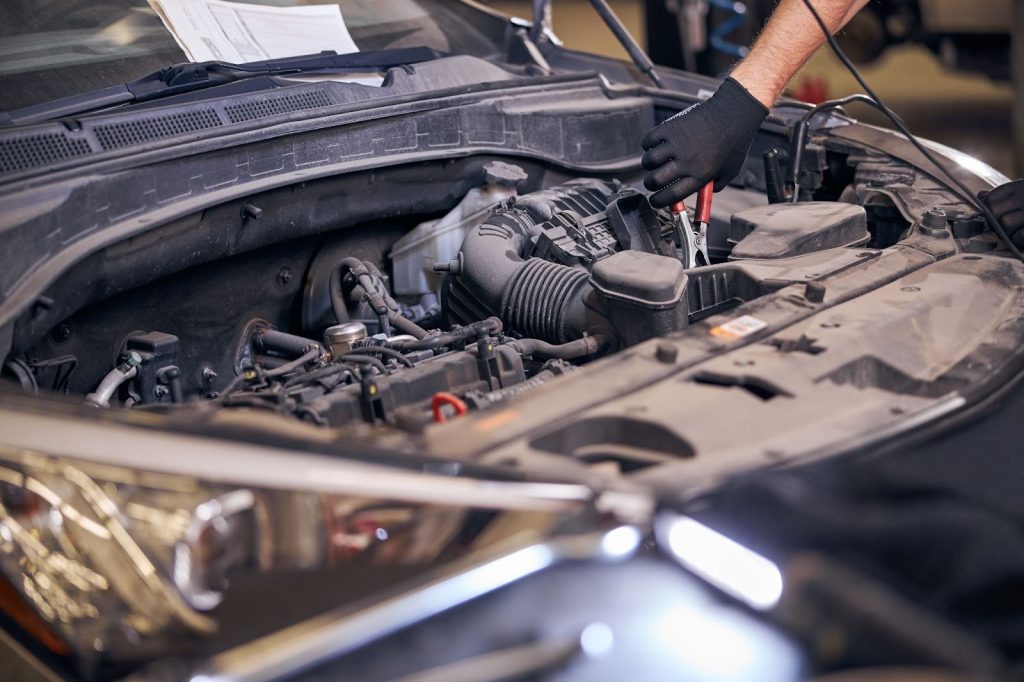
The exact list depends on the type of service you booked, but typically they will:
- Drain the old engine oil and fit a new oil filter
- Refill with the correct grade of fresh oil
- Replace air or cabin filters where included in the service level
- Inspect brake pads, discs and pipes, not just for pass or fail but for remaining life
- Check tyre tread depth, wear pattern and pressures, and adjust to manufacturer recommendations
- Look over steering joints, suspension arms, bushes and springs for wear and movement
- Check coolant, screenwash and other fluid levels
- Test basic electrics such as battery condition, charging, lights, horn and warning lights
They may also road test the car and reset the service reminder on the dashboard if their equipment supports it.
The key difference compared with MOT only is depth. The MOT is focused on minimum standards. The service is looking at how much life is left in parts, not just whether they pass today.
4. Phone call or message if extra work is needed
If the MOT found fails or the service finds worn parts, the garage should contact you before doing extra work that adds cost.
You can expect a call or message along the lines of:
- What has been found
- Whether it is a legal fail, safety issue, or advisory
- What they recommend fixing now and what can safely wait
- A clear price for parts and labour
Good garages will give you options and will not pressure you into work you do not understand. Many drivers approve MOT fail items and serious safety work straight away, and leave non urgent items with advisory notes for a later date.
5. Final checks, paperwork and collection
Once the MOT and service are complete, and any agreed repairs are done, the garage will road test if needed and park the car ready for collection.
When you return you should receive:
- Your MOT certificate or fail sheet
- An itemised invoice showing service level, oil grade and filters fitted
- A service checklist or health report with green, amber and red items
- A stamp in the service book or a note that the digital record has been updated
Before you drive off, it is worth scanning the report. Ask about any amber items or advisories, so you know what to budget for over the next year.
How Long A Combined MOT And Service Takes?
On paper, an MOT test alone is around forty five minutes. A full service on its own is often between an hour and a half and three hours depending on the car and how much needs replacing.
When you put them together, most garages will ask you to leave the car for at least half a day. That gives them time to test, service, deal with any small issues, and complete the paperwork properly. If repairs are needed and you approve them on the day, it can push the collection time into later afternoon.
Some garages offer courtesy cars, lifts to local transport, or collection and delivery. For a lot of drivers, that is one of the big reasons to combine everything in a single visit.
What Does It Usually Cost To Combine MOT And Service?
The government sets a maximum MOT fee for cars, but many garages charge less, especially when you pair it with a service.
For a typical family car, you might see pricing like:
- Combined MOT plus interim service at the lower end of the range
- Combined MOT plus full service in the middle band
- MOT plus major service at the higher end, as more parts are replaced
The exact number depends on your car size, oil specification, service level and location, but combining them is almost always cheaper than booking the same MOT and service separately. On top of that, you save money over time by catching wear early. Things like pads, tyres, exhaust sections and fluid leaks are often cheaper to fix when spotted during a service than when they finally cause a breakdown or a fail.
Local independents and fleet focused garages such as TJ Service Fleet often build their pricing around these combined visits so that business customers and private drivers can keep downtime and admin to a minimum.
Why Combining MOT And Service Is Worth It?
From the driver’s side, there are four main gains.
You save time. One booking, one drop off, one collection, one day in your diary. You are not juggling separate dates for MOT and service.
You save money. The MOT fee is usually discounted in a package, and early repair of worn items during the service can stop them becoming breakdowns or major failures.
You protect reliability. The MOT makes sure the car is legal and safe that day. The service looks ahead, picking up the gradual wear that affects starting, performance, comfort and fuel use.
You build a clean history. An annual combined MOT and full service gives you a tidy set of records. When you sell, that makes the car easier to move on and often more valuable.
How To Prepare Before You Book
A few small steps help you get the most from a combined visit.
Check when your MOT expires so you do not accidentally drive without one. Look at your service book or digital record and see which service is next, interim, full or major. Make a simple list of any issues you have noticed, such as noises, warning lights, steering pull, or starting problems. When you book, ask what is included in their interim, full or major service so you are not guessing. Also ask how they handle failed MOT items and whether there is a free or reduced cost retest.
That way, you walk in knowing what you are paying for and what will happen if the car needs more work.
Final Thoughts
Booking a combined MOT and service is not just about convenience. It is about treating your car as both a legal responsibility and a long term investment.
In one visit you find out whether it meets road safety rules, whether the vital parts are wearing evenly, whether fluids and filters are in good shape, and what you will need to plan for over the next twelve months. You leave with a pass certificate, a fresh service, and a clear picture of what comes next, instead of two separate visits and two separate sets of surprises.
Handle it that way every year, and you turn MOT day from a nervous guess into a simple, predictable part of owning a car.
Local independents like TJ Services Fleet often build pricing around combined visits. Visit our Fleet location for competitive MOT + service packages.