The restaurant industry is experiencing a seismic shift as consumers increasingly prioritize sustainability in every purchasing decision. Today’s diners don’t just care about what’s on their plate—they’re scrutinizing what carries it home. This growing environmental consciousness has created unprecedented demand for eco-friendly takeout packaging, transforming green practices from optional extras into competitive necessities.
Yet restaurant owners face a genuine dilemma: customers expect sustainable packaging, but businesses must navigate real-world challenges of cost constraints, durability requirements, and reliable supply chains. The transition isn’t as simple as swapping one box for another.
Finding packaging that protects both the planet and your profit margins requires careful consideration of materials, functionality, and sourcing strategies. This comprehensive guide cuts through the confusion surrounding sustainable to go boxes, providing restaurant owners with practical insights to make informed decisions that satisfy environmental values, operational demands, and customer expectations—all while maintaining the quality and presentation of your brand promises.
Why Eco-Friendly To Go Boxes Are a Must for Modern Restaurants
Consumer expectations have fundamentally changed the restaurant landscape. Recent surveys show that over 70% of diners actively seek out businesses with sustainable practices, and nearly half are willing to pay premium prices for eco-conscious packaging. This isn’t a passing trend—it’s a values-driven movement where purchasing decisions reflect personal environmental commitments. Restaurants that ignore this shift risk losing loyal customers to competitors who align with these priorities.
Regulatory pressure is intensifying alongside consumer demand. Cities and states across the country are implementing bans on polystyrene foam and single-use plastics, with enforcement timelines rapidly approaching. California, New York, and dozens of municipalities have already enacted strict packaging regulations, forcing restaurants to adapt or face penalties. Forward-thinking owners who transition now avoid the scramble and potential fines that come with last-minute compliance.
The marketing advantages of sustainable packaging extend far beyond regulatory compliance. Eco-friendly to go boxes become visible ambassadors for your brand values, generating organic social media content when customers photograph and share their meals. This authentic marketing builds community trust and differentiates your restaurant in crowded markets. While initial costs may seem higher, sustainable packaging often reduces waste disposal fees and attracts a demographic willing to spend more per order, ultimately improving your bottom line through increased customer lifetime value and positive word-of-mouth that no paid advertising can match.
Exploring Your Eco-Friendly Takeout Container Options
Understanding the landscape of sustainable packaging materials empowers restaurant owners to make choices that align with both environmental goals and operational realities. Each material category offers distinct advantages and limitations that directly impact food presentation, customer satisfaction, and disposal logistics.
Biodegradable & Compostable Takeout Boxes
Bagasse, derived from sugarcane fiber, stands out as a remarkably versatile option that handles both hot and cold foods with impressive durability. These containers naturally resist moisture and grease while breaking down completely in commercial composting facilities within 60-90 days. PLA containers, made from cornstarch, work beautifully for cold applications like salads and desserts but soften when exposed to heat above 120°F, making them unsuitable for hot entrees.
Molded fiber options provide excellent insulation for hot foods and absorb minimal liquid, though they require commercial composting infrastructure rather than backyard bins. The critical consideration here is ensuring your local waste management system accepts compostable packaging—without proper facilities, these materials won’t fulfill their environmental promise.
Recyclable Paperboard & Cardboard Containers
Traditional paperboard containers have evolved significantly, with modern grease-resistant coatings that maintain structural integrity without compromising recyclability. These familiar boxes work exceptionally well for sandwiches, baked goods, and drier menu items. Customers instinctively understand how to dispose of them correctly, increasing actual recycling rates compared to less familiar materials.
The main limitation involves liquid-heavy dishes or foods with excessive oils, which can compromise the container’s strength during transport. For restaurants with diverse menus, paperboard often serves as the foundation of a mixed-material strategy.
Reusable Container Programs
Forward-thinking restaurants are piloting deposit-based systems where customers pay a small fee for durable containers, receiving refunds upon return. These programs dramatically reduce per-order waste and can strengthen customer relationships through repeated interactions.
Implementation requires careful planning around sanitation protocols, tracking systems, and customer education. While operational complexity is higher, restaurants report that participating customers order more frequently and spend more per visit, viewing the program as a membership benefit rather than an inconvenience.
Key Features Restaurant Owners Need in Durable Takeout Packaging
Leak-Proof and Grease-Resistant Design
Nothing damages your restaurant’s reputation faster than a delivery that arrives soaked through or leaking across a customer’s car seat. Eco-friendly packaging has evolved far beyond the flimsy containers of early green initiatives.
Modern sustainable boxes incorporate plant-based coatings and specialized liners that create effective barriers against oils and liquids without relying on plastic or PFAS chemicals. Look for containers with secure interlocking lids rather than simple fold-over designs—the closure mechanism matters as much as the material itself.
Test potential containers with your greasiest menu items, letting them sit for 30 minutes to simulate delivery conditions. Quality sustainable packaging should contain saucy pastas, juicy burgers, and oily stir-fries just as effectively as conventional options, proving that environmental responsibility doesn’t require compromising on functionality.
Durability for Transport and Insulation
Your packaging serves as the final touchpoint in the customer experience, and containers that collapse or fail during transit undermine everything your kitchen accomplished. Substantial wall thickness and reinforced corners prevent crushing when bags are stacked or jostled during delivery.
Vented designs allow steam to escape without creating soggy food, while tight-fitting lids prevent shifting that ruins presentation. Insulation properties vary dramatically across sustainable materials—bagasse naturally retains heat better than thin paperboard, keeping hot foods at proper temperatures during longer deliveries.
Consider your average delivery radius and typical transport time when selecting materials. Restaurants with primarily quick pickup service can use lighter-weight options, while delivery-focused operations need containers that maintain food quality through extended journeys.
Microwave-Safe and Freezer-Safe Convenience
Today’s customers expect flexibility in how they consume takeout, often saving portions for later or reheating meals at work. Containers that transition safely from refrigerator to microwave eliminate the need for customers to transfer food to separate dishes, reducing their cleanup and waste.
This convenience factor significantly enhances perceived value and encourages repeat orders. Clearly communicate these capabilities on your containers or menu materials—many customers assume eco-friendly packaging can’t handle temperature extremes and will transfer food unnecessarily.
Bagasse and uncoated paperboard generally perform well in microwaves, while certain PLA materials may warp under heat. Freezer-safe options extend your business opportunities into meal prep services or family-sized portions designed for multiple uses, creating new revenue streams while demonstrating that sustainable choices actually expand rather than limit customer convenience.
How to Source Affordable Bulk To Go Boxes: A Practical Guide
Step 1: Calculate Your Volume and Needs
Begin by tracking your actual packaging usage over a two-week period, recording quantities by container size and type for each service period. This data reveals patterns you might have missed—perhaps lunch orders predominantly need smaller sandwich boxes while dinner demands larger multi-compartment containers.
Calculate your monthly baseline, then add 15-20% for growth and seasonal fluctuations. Map your menu items to specific container types, identifying which dishes require specialized features like deep wells for saucy items or compartments for sides. This detailed audit prevents over-ordering containers that sit unused while ensuring you maintain adequate stock of high-turnover sizes.
Step 2: Research and Compare Suppliers
Start with regional distributors who often provide better shipping rates and faster turnaround than national suppliers. Request quotes from at least five vendors, specifically asking about bulk pricing tiers and whether mixing container types within a single order qualifies for volume discounts.
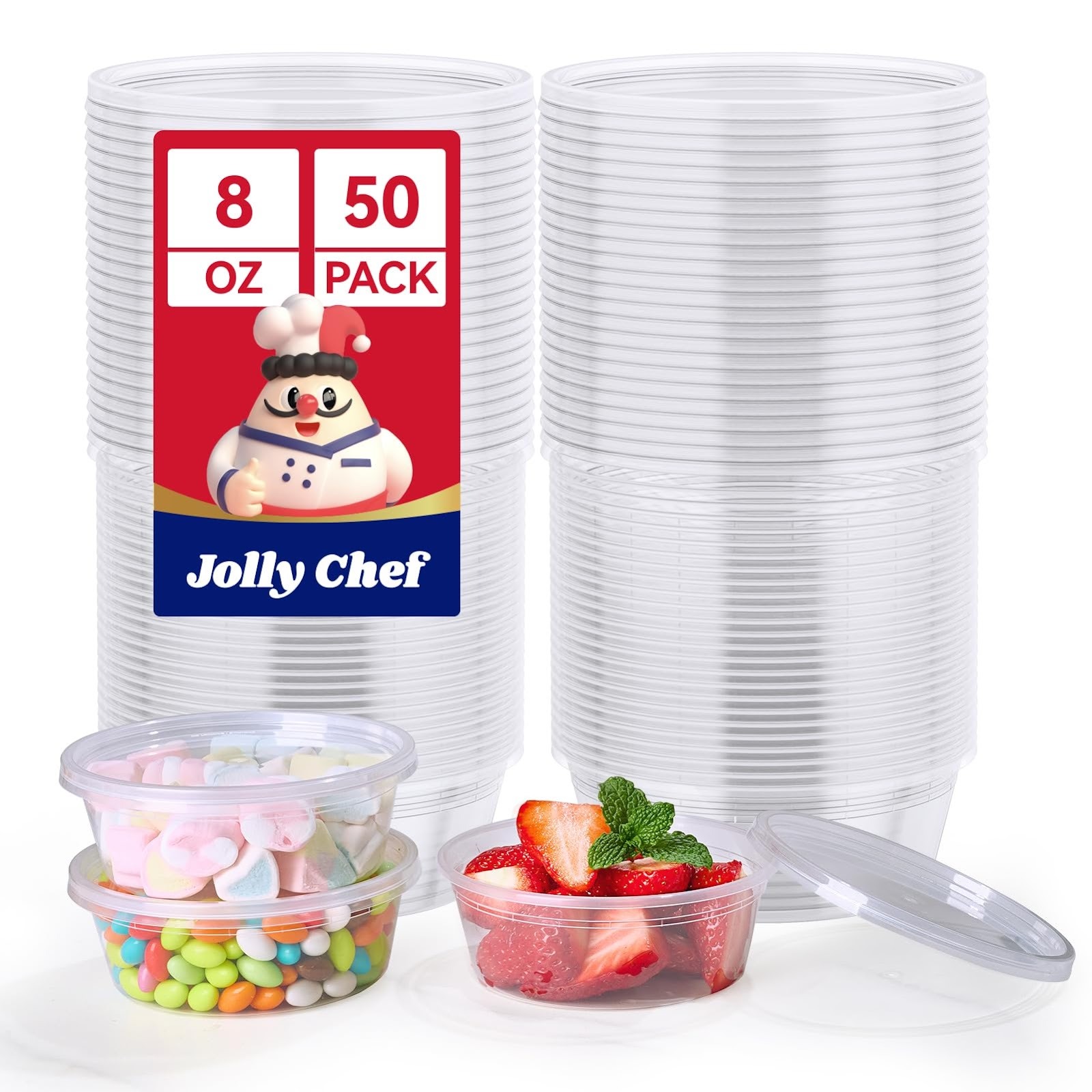
Many suppliers, including tableware providers like Jolly Chef, offer significant price breaks at 5,000, 10,000, and 25,000 unit thresholds. Investigate group purchasing organizations in your area—joining with neighboring restaurants can help you collectively reach higher discount tiers. Don’t overlook direct manufacturer relationships for truly large volumes, though these typically require minimum orders of 50,000 units and longer lead times.
Step 3: Factor in Total Cost of Ownership
The lowest unit price rarely represents the best value. Calculate shipping costs as a percentage of product cost—heavy items like molded fiber containers can double your effective price if shipped cross-country. Evaluate your storage capacity realistically; buying six months of inventory saves money only if you have climate-controlled space that won’t compromise material integrity.
Factor in the hidden savings sustainable packaging provides: reduced waste hauling fees, fewer customer complaints about failed containers, and the marketing value of visible environmental commitment. A container costing three cents more per unit but eliminating leak complaints pays for itself through retained customers.
Step 4: Order Samples and Test Rigorously
Never commit to bulk orders without hands-on testing. Request samples of your top three options and run them through real-world scenarios with your actual menu items. Fill containers with your heaviest, sauciest, and greasiest dishes, then let them sit for 45 minutes to simulate extended delivery times.
Stack filled containers to test crush resistance. Refrigerate and microwave samples to verify temperature performance claims. Have staff handle the containers during rush periods to assess ease of packing and lid security under pressure. Document failures and successes with photos. This investment of time and a few sample meals prevents costly mistakes when ordering thousands of units that don’t meet your operational needs.
Making the Sustainable Packaging Transition
Transitioning to eco-friendly to-go boxes represents far more than a simple packaging swap—it’s a strategic investment in your restaurant’s future that addresses customer values, regulatory realities, and competitive positioning simultaneously. The ideal sustainable packaging solution seamlessly balances environmental credentials with the practical demands of leak-proof performance, transport durability, and cost management that keep your operations running smoothly.
Begin your transition by conducting a thorough audit of your current packaging usage patterns and menu requirements, identifying which container types serve your specific needs. Then move methodically through sample testing with biodegradable takeout boxes made from bagasse or compostable containers crafted from plant-based materials, evaluating each option against your real-world operational conditions.
Remember that sustainable packaging isn’t a fleeting trend driven by momentary consumer whims—it’s the established standard for building a reputable, responsible restaurant business that attracts loyal customers and withstands evolving regulations.
The restaurants thriving tomorrow are those making thoughtful sustainable choices today, proving that environmental responsibility and business success aren’t opposing forces but complementary strategies that strengthen your brand while protecting the planet your customers care deeply about preserving.