Fashion is not just about looks anymore. The boundaries between style, function, and technology are dissolving—and at the forefront of this evolution is cyber-techwear. Once relegated to niche subcultures and concept fashion, techwear has now expanded into everyday wardrobes around the world. This transformation is driven by a growing desire for clothing that does more than just look good: garments that perform in dynamic environments, adapt to real-world needs, and express a futuristic aesthetic that resonates with contemporary life.
In this article, we’ll explore how cyber-techwear is redefining daily clothing by combining practical design with avant-garde aesthetics, why this shift matters, and what it means for the future of fashion.
The Origins of Techwear and Cyber Influence
Techwear emerged from a fusion of urban utility gear, performance wear, and futuristic design philosophy. It borrowed heavily from tactical and outdoor apparel, integrating features such as waterproof fabrics, modular components, and ergonomic cuts. But techwear is about more than technical specs. Its aesthetic roots lie in cyberpunk culture—worlds where humans and technology coexist, and clothing must be as adaptable as its wearer.
Cyberpunk narratives, from literature to gaming and film, offered a visual language of sleek black silhouettes, layered garments, and wearable functionality. As these aesthetics entered mainstream media and youth culture, designers began asking: What would clothing look like if it were built for life in an unpredictable, digitized world?
Beyond Basics: Functionality as Fashion
Traditional fashion often sacrifices utility for appearance. A garment might look stylish but fail under real-life conditions—poor weather, active movement, or long hours. Cyber-techwear flips that script. In this paradigm, functionality becomes an integral element of the design, not an afterthought.
For example, techwear garments routinely incorporate features such as:
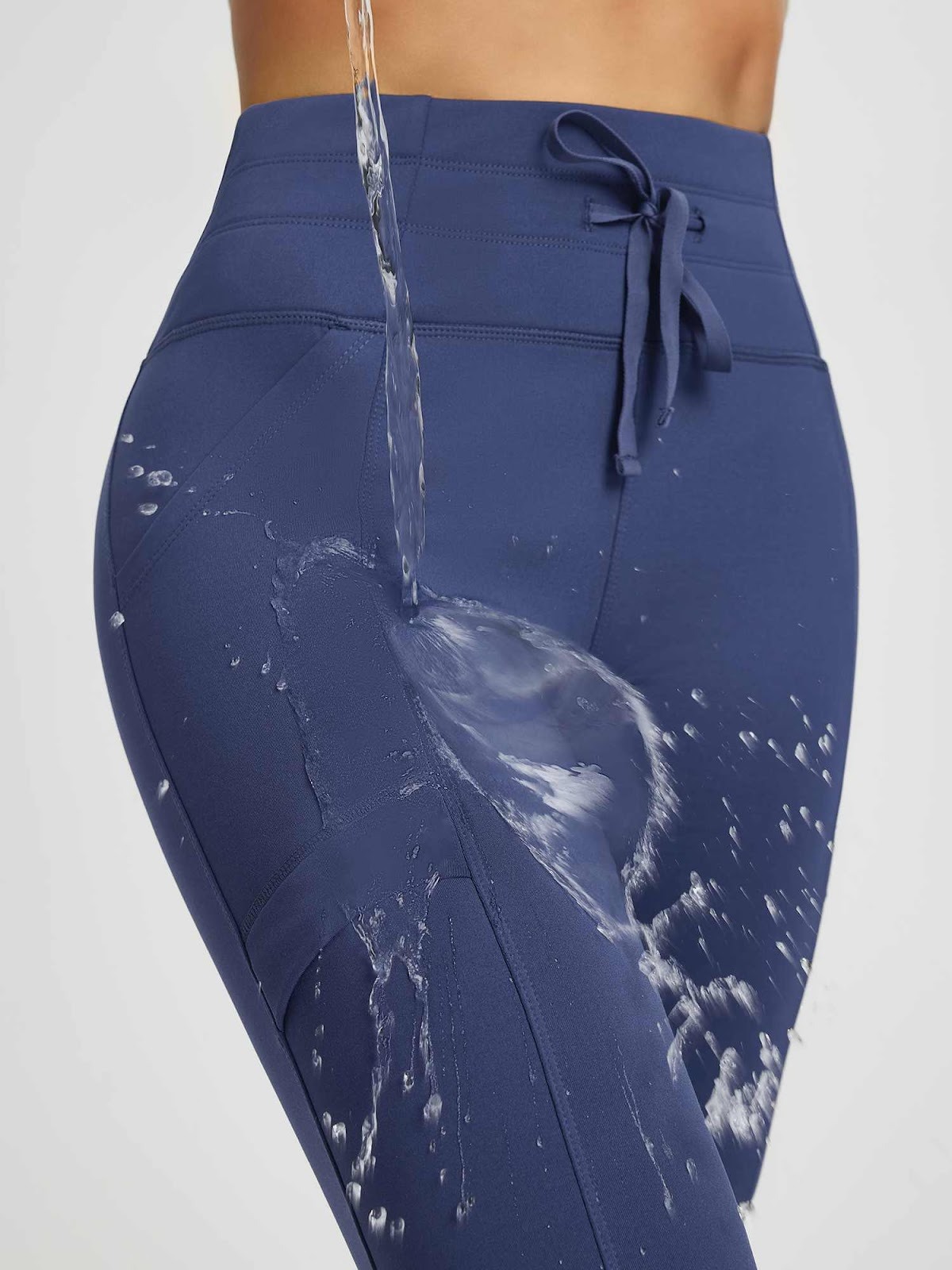
- Water-resistant or waterproof materials
- Multiple compartments and hidden storage
- Adjustable components such as hoods, straps, and vents
- Fabrics engineered for mobility and comfort
These elements aren’t just practical—they contribute to the overall visual identity of the clothing. Fine details like smooth seam lines, tactical buckles, and matte finishes tell a story of preparedness and intentionality. In cyber-techwear, function is aesthetic.
Everyday Wear That Works
Cyber-techwear’s appeal comes in large part from its versatility. Unlike highly specialized outdoor gear, modern techwear is made to serve everyday needs. Whether commuting in a rainy city, navigating breezy transit hubs, or running errands, techwear adapts.
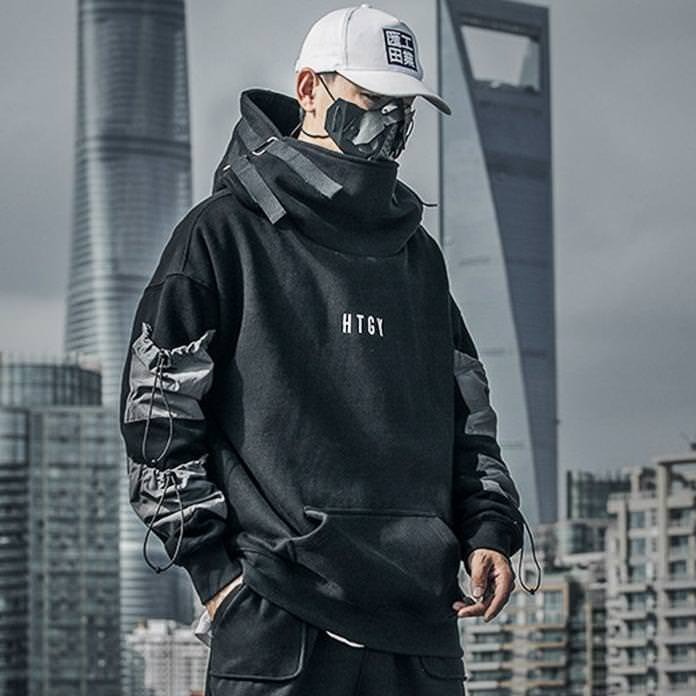
Consider the techwear hoodie—a staple that bridges comfort and performance. Designed with weather resistance, ergonomic cuts, and purposeful storage, this garment is a far cry from your average sweatshirt. Collections of functional hoodies like those in the techwear hoodie category show how everyday comfort can co-exist with deliberate design. The result is clothing that feels thoughtful and ready for anything—whether you’re stepping out for coffee, cycling through downtown, or traveling across time zones.
The Rise of Practical Aesthetics
One of cyber-techwear’s most significant contributions to fashion is the elevation of practical aesthetics. In earlier decades, functionality was often hidden or downplayed—utility pockets sewn inside garments, performance fabrics disguised under fashionable facades. Today, those elements are celebrated.
Visible zippers become design statements. Seam lines emphasize structure rather than conceal it. Matte black and earth-tone palettes convey purposeful minimalism. These aesthetic choices reflect a shift in cultural values: we no longer see function as boring or purely utilitarian. Instead, preparedness and adaptability have become aspirational qualities.
This aesthetic also aligns with broader trends in design, architecture, and media—where simplicity, modularity, and utility are prized attributes. Cyber-techwear taps into this cultural zeitgeist, positioning clothing as both tool and expression.
Techwear and Urban Life
Urban environments are unpredictable by nature—weather changes without warning, transit routes can be delayed, and people move constantly between indoor and outdoor spaces. Cyber-techwear responds to this unpredictability with garments engineered for real-world adaptability.
For example:
- Weatherproof fabrics protect against rain and wind
- Breathable materials regulate temperature on the move
- Adjustable components allow for quick transitions between conditions
Rather than dressing for a fixed scenario, wearers equipped with cyber-techwear dress for possibilities. This mindset mirrors how modern life works: dynamic, layered, and always in motion.
Interplay Between Fashion and Technology
Fashion has always borrowed from technology, whether through new textiles, manufacturing innovations, or digital design tools. Cyber-techwear takes this relationship further, making technology a core part of the garment’s identity.
Smart fabrics, advanced laminates, and ergonomic engineering have moved beyond specialist applications into ready-to-wear pieces. Techwear designers use software to simulate movement, analyze fabric performance, and optimize fit. As consumer expectations evolve, techwear stands at the intersection of innovation and wearability.
This interplay also extends into digital culture. Cyberpunk aesthetics—once confined to sci-fi novels and video games—influence real-world fashion trends. This crossover has created a feedback loop where digital media, cultural identity, and garment design inform and inspire each other.
Sustainability and Longevity
While techwear is often associated with performance and style, it also aligns with sustainable fashion principles. Many cyber-techwear garments are built to last—with durable materials, reinforced seams, and timeless design. This focus on longevity challenges the fast-fashion model by encouraging consumers to invest in pieces that perform and endure.
Instead of seasonal trends that fade after a few months, techwear’s minimalist palette and functional design promote long-term wearability. By blending aesthetics and utility, cyber-techwear reduces the cycle of consumption and waste.
Community, Culture, and Identity
Cyber-techwear also fostered a community—one that values function, innovation, and style. Enthusiasts share outfits online, remix looks, and celebrate the intersection of tech-driven design with personal expression. This collective identity has helped shape cyber-techwear from a niche movement into a broader cultural force.
Forums, social media groups, and fashion communities contribute to the rapid dissemination of techwear aesthetics. What once might have taken years to spread now reaches global audiences in days or weeks, reinforcing cyber-techwear’s influence.
What the Future Holds
As wearable technology, smart textiles, and urban lifestyles continue to evolve, cyber-techwear is positioned to grow even further. Clothing will increasingly blend utility, aesthetics, and technology in ways that feel seamless and intuitive. We can expect to see deeper integration of adaptive materials, interactive elements, and enhanced ergonomic design.
But beyond innovation, cyber-techwear’s core contribution to fashion lies in its redefinition of what clothing means. It challenges the idea that style must be separate from performance. Instead, cyber-techwear proposes that function and aesthetics can coexist harmoniously, elevating everyday clothing into something expressive, resilient, and deeply relevant to modern life.
Conclusion
Cyber-techwear isn’t just a trend—it’s a rethinking of fashion for the 21st century. By placing performance and design on equal footing, it offers garments that respond to real needs while projecting a confident, futuristic style. As cities become more dynamic and lifestyles more adaptive, cyber-techwear provides a wardrobe that is ready for anything—blurring the line between innovation and everyday living.
In embracing this evolution, designers and consumers alike are redefining what clothing can be: not just something we wear, but something that works for us in every aspect of our lives.