
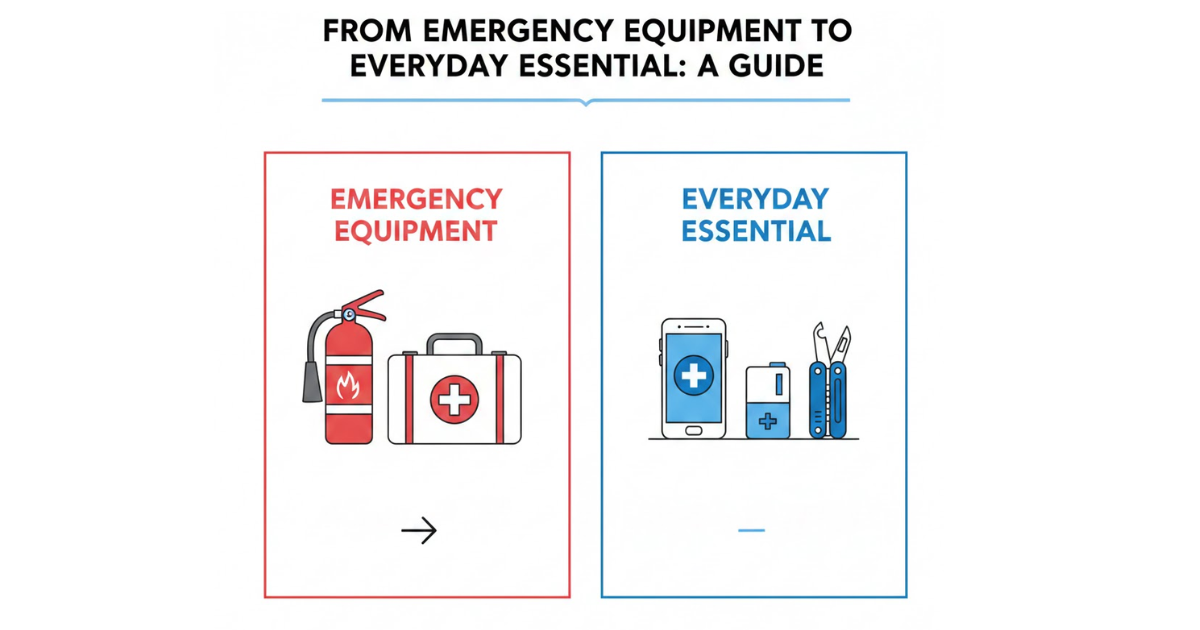
Safety equipment often gets relegated to the back of a cupboard, only thought of in moments of panic. Fire extinguishers, first aid kits, and emergency lighting are typically associated with rare, high-stress events. Yet, modern safety thinking is shifting. What was once considered emergency-only is increasingly becoming an everyday essential. Understanding this transition can help households and businesses not only meet regulations but also foster a safer, more prepared environment.
Reimagining Safety in Daily Life
The traditional view of emergency equipment is reactive. We only notice it when disaster strikes. However, integrating safety tools into daily routines transforms them from mere compliance items into practical, everyday assets. For instance, having a well-stocked first aid kit is not just about handling a sudden injury. It supports minor day-to-day mishaps, from kitchen burns to garden scrapes. Similarly, fire safety equipment, like smoke alarms, is now part of modern home and office design, quietly protecting lives and property without demanding constant attention.
Choosing the Right Equipment
Selecting safety equipment can feel daunting, given the wide range of options. It helps to prioritise versatility. One example is this all purpose fire extinguisher, which is designed to tackle multiple types of fires, from electrical faults to kitchen incidents. Investing in multifunctional tools reduces clutter and ensures preparedness across a variety of scenarios.
Other essential items include fire blankets, multipurpose first aid kits, and battery-powered emergency lighting. For businesses, it is also worth considering equipment like automated external defibrillators (AEDs), which have proven lifesaving potential in both rare and routine emergencies. It is important to match the type of equipment to the environment. For instance, workshops, kitchens, and garages require fire extinguishers rated for different fire types, while offices may benefit from compact, easy-to-use options that can be placed in accessible locations.
Incorporating Safety Into Everyday Life
The shift from emergency-only to everyday essential relies on making safety accessible and visible. In the home, this could mean positioning fire extinguishers in high-risk areas such as the kitchen or utility room and placing first aid supplies where they are easy to reach. For workplaces, integrating safety drills and equipment checks into regular schedules ensures staff are confident and capable, rather than treating safety as an afterthought.
Education plays a vital role. Familiarising everyone with equipment use increases both confidence and the likelihood of effective action during an actual emergency. Demonstrations, short training sessions, or even simple instructional posters can transform intimidating safety gear into approachable, practical tools.
Beyond Protection: Peace of Mind
Safety equipment does more than respond to accidents. It reassures. Knowing that a versatile extinguisher, an accessible first aid kit, or an emergency light is at hand reduces anxiety about daily risks. This peace of mind allows households and businesses to focus on what matters: family, work, and personal well-being without fear of being caught unprepared.
In conclusion
The line between emergency equipment and everyday essentials is blurring. By choosing versatile tools, making them accessible, and incorporating regular education, safety can become a seamless part of life rather than an afterthought.