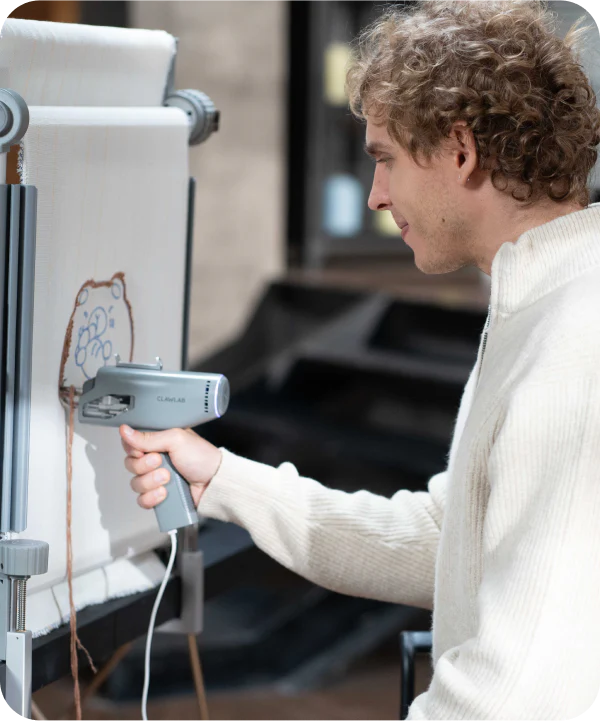
Picture this: you’ve invested in premium yarn, stretched your backing fabric perfectly, and spent hours sketching your design—only to find your finished rug marred by uneven loops, frustrating gaps, and frayed edges. For countless crafters and interior designers, this scenario isn’t hypothetical; it’s a recurring nightmare that wastes materials, derails timelines, and damages professional reputations. The culprit behind these tufting disasters often isn’t lack of skill or effort, but rather the tool itself. What if selecting the right equipment could eliminate these frustrations before they start? Enter the tufting gun: a modern innovation that has revolutionized textile creation when chosen correctly. High-performance models have transformed how professionals approach rug-making and upholstery projects, turning error-prone processes into streamlined, predictable workflows. This article will guide you through understanding what makes a tufting gun truly effective, identifying the features that prevent common mistakes, and selecting the perfect tool to elevate your craft from amateur attempts to professional masterpieces.
What is a Tufting Gun? Demystifying the Modern Crafter’s Power Tool
A tufting gun is a handheld, mechanized device designed to rapidly insert yarn or fabric strands into a backing material, creating textured surfaces with speed and consistency that manual methods simply cannot match. Unlike traditional hand-tufting, which requires laboriously pushing each strand through fabric with a needle—a process that can take days for a single rug—a tufting gun automates this insertion, completing projects in hours rather than weeks. The tool operates through a straightforward mechanism: a motorized needle punches through stretched backing fabric at high speed while a foot guides the material, and a trigger controls the action, allowing the user to create loops or cut pile depending on the attachment used. This innovation has opened tufting to a broader audience, from hobbyists crafting custom wall hangings to professional interior designers producing bespoke rugs and upholstered pieces for discerning clients. Understanding how this tool functions is essential because the right tufting gun doesn’t just accelerate your work—it fundamentally prevents the technical errors that plague manual and inferior mechanized approaches, setting the foundation for flawless execution from your very first project.
The High Cost of Common Tufting Mistakes
Every tufting error carries a price tag that extends far beyond momentary frustration. Inconsistent pile height—where some loops stand tall while others barely emerge—creates unprofessional surfaces that clients immediately notice, forcing you to either accept subpar work or restart entirely. Yarn breakage mid-project doesn’t just interrupt your rhythm; it wastes premium materials that can cost upwards of several dollars per skein, with each breakage potentially ruining sections that require complete removal and rework. Skipped stitches leave visible gaps that compromise both aesthetics and durability, transforming what should be a dense, luxurious rug into a patchy disappointment that won’t withstand regular use. Perhaps most insidious is hand fatigue from poorly designed tools, which compounds errors as your grip weakens and control diminishes over hours of work. For interior designers managing client expectations and tight deadlines, these problems become catastrophic: a single flawed custom rug can mean refunding deposits, missing installation windows, and damaging the reputation you’ve spent years building. When a hotel lobby commission or residential project depends on delivering museum-quality textiles on schedule, tool-induced mistakes don’t just waste materials—they jeopardize relationships and revenue. The cumulative cost of using inadequate equipment quickly eclipses any initial savings, making the choice of tufting gun not merely a preference but a business-critical decision that determines whether your projects succeed or spiral into costly failures.
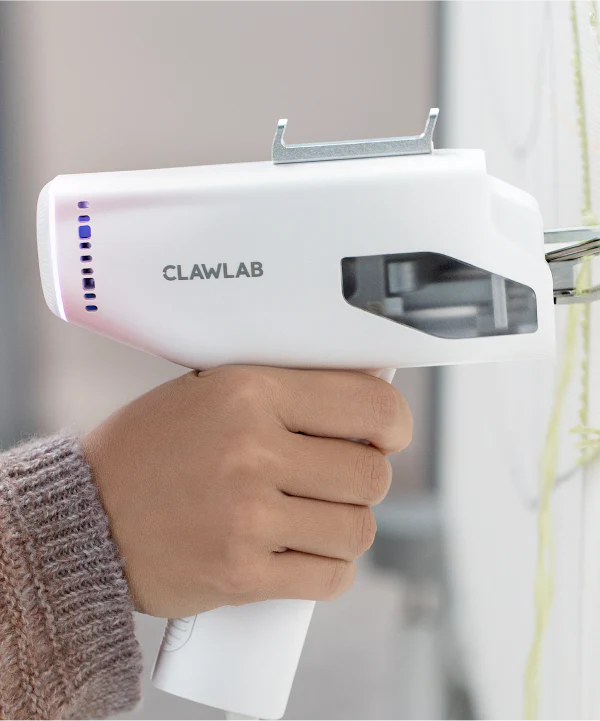
Your Solution: Choosing a Tufting Gun for Best-in-Class Performance
Prioritizing Power and Precision for Flawless Results
The foundation of error-free tufting rests on two non-negotiable qualities: motor power and precision control. A robust motor determines whether your gun can maintain consistent speed through dense backing materials without stalling or creating irregular stitch spacing—the primary cause of those frustrating uneven surfaces. Professional-grade models deliver sustained power that handles everything from delicate cotton monk’s cloth to heavy-duty primary backing without compromising performance. Equally critical is precision in pile height adjustment, which allows you to switch seamlessly between design elements requiring different textures without manual recalibration that introduces human error. The mechanism should offer micro-adjustments that lock firmly in place, preventing the drift that causes inconsistent loops mid-project. High-performance tools engineered specifically for professional use incorporate industrial-grade components—hardened steel needles that resist bending, sealed motors that repel dust and fiber buildup, and trigger assemblies designed for tens of thousands of actuations without degradation. This level of construction directly translates to reliability when you’re midway through a commissioned piece with a looming deadline, where equipment failure isn’t an inconvenience but a potential disaster.
Why Portability Matters: The Case for a Lightweight Tufting Tool
For interior designers who consult on-site or conduct workshops beyond a fixed studio, weight becomes a defining factor in tool selection. A lightweight design—ideally under four pounds—transforms your tufting gun from a cumbersome anchor into an extension of your hand, enabling the fluid movements necessary for intricate patterns and reducing the shoulder and wrist strain that accumulates over multi-hour sessions. This ergonomic advantage isn’t merely about comfort; fatigue directly correlates with declining precision, meaning a heavier tool actively contributes to the late-project errors that ruin otherwise flawless work. Portable models with compact profiles fit easily into transport cases alongside your frame and materials, allowing you to demonstrate techniques at client locations or collaborate in shared maker spaces without logistical headaches. Manufacturers like Clawlab have responded to this need by engineering tufting guns that balance lightweight construction with the structural integrity necessary to prevent vibration and needle wobble. When evaluating portability, examine not just the specification sheet weight but how the tool feels during extended use, ensuring the pursuit of lightness hasn’t compromised the performance that prevents common tufting mistakes.
Key Features That Prevent Errors: A Buyer’s Checklist
Building your selection criteria requires matching specific features to the mistakes they eliminate. Start with adjustable pile height that offers clear, tactile settings—vague dials invite inconsistency, while defined stops ensure repeatability across sessions. An easy-threading system with a visible yarn path prevents the frustrating jams that cause breakage and project interruptions; look for wide threading channels and smooth internal surfaces that guide fiber without snagging. Needle construction deserves scrutiny: spring-loaded needles with protective sheaths reduce the risk of fabric damage from accidental contact, while quick-change systems let you swap between loop and cut pile attachments in seconds rather than minutes. The trigger mechanism should provide variable speed control, not just on-off functionality—gradual acceleration prevents the initial punch-through that creates enlarged holes in delicate fabrics. Examine the foot plate design for smooth gliding across stretched backing; models with low-friction coatings or precision-machined edges prevent the catching that causes skipped stitches. Finally, prioritize tools with accessible maintenance points—removable covers for cleaning fiber buildup and user-replaceable wear parts extend tool life and maintain peak performance, preventing the gradual degradation that introduces errors as components wear.
Tool in Action: How the Right Tufting Gun Streamlines Your Workflow
Imagine beginning your next commission with complete confidence: you’ve sketched a geometric wall hanging for a boutique hotel lobby, selected complementary yarn colors, and stretched your backing taut on the frame. With a professional-grade tufting gun in hand, you start at the design’s perimeter, the lightweight tool gliding effortlessly as the motor maintains unwavering speed through the dense monk’s cloth. The adjustable pile height locks precisely at your chosen setting, creating uniform loops that form crisp borders without constant checking or adjustment. As you transition to interior details requiring varied textures, a quick lever adjustment shifts the pile depth seamlessly, and the responsive trigger lets you decelerate for tight corners without breaking rhythm. Hours pass, yet your grip remains comfortable and your movements fluid—the ergonomic design preventing the creeping fatigue that would otherwise compromise your precision in the final quadrant. When you flip the completed piece, the backing reveals consistently spaced stitches with zero gaps, a testament to the reliable needle mechanism and smooth foot plate that prevented snags throughout. The entire project, which would have consumed a week with inferior equipment punctuated by frustrating restarts, wraps up in a single intensive day with results that exceed client expectations. This efficiency doesn’t just accelerate timelines; it expands your capacity to accept additional commissions, transforming your tufting practice from a bottleneck into a competitive advantage that delivers gallery-quality textiles reliably and profitably.
Investing in Quality Tools for Professional Results
The difference between a frustrating tufting experience and professional-grade results often comes down to a single decision: choosing the right tool before you begin. As we’ve explored, common mistakes like inconsistent pile height, yarn breakage, and skipped stitches aren’t inevitable consequences of the craft—they’re symptoms of inadequate equipment that can be entirely avoided. By prioritizing a tufting gun with robust motor power for unwavering consistency, precision controls that lock in your design specifications, and lightweight construction that sustains your energy through marathon sessions, you transform potential disasters into predictable successes. The features we’ve outlined—adjustable pile height, smooth threading systems, durable needle assemblies, and ergonomic design—aren’t luxury add-ons but essential safeguards that protect your materials, your timelines, and your professional reputation. For interior designers and serious crafters, this investment pays dividends with every completed commission, turning what could be error-prone gambles into reliable workflows that delight clients and expand your creative possibilities. Armed with this knowledge, you’re now equipped to evaluate tufting guns with a discerning eye, selecting a tool that doesn’t just meet specifications but actively prevents the pitfalls that have held your work back. Step forward with confidence, choose wisely, and watch your tufting projects evolve from ambitious attempts into flawless textile masterpieces that showcase your true potential.