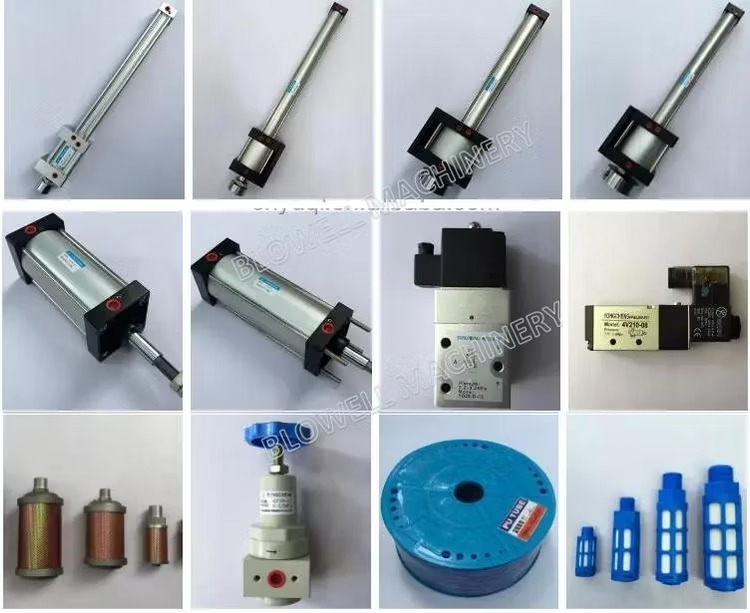
Blow molding is a process where you can make plastic bottles by heating the plastic until it becomes soft. Then the air pressure is used to mold that plastic in order to get the desired bottle shape. This air pressure is controlled with the help of a regulator to a desired level so that you can achieve the specific bottle shape.
Here are two pressure regulators that are being used to control the air pressure: the traditional pressure regulator and the proportional pressure regulator. We are going to compare both these pressure regulators in this blog. So that you can easily pick the best one according to your
What is each regulator?
Traditional regulator (the on/off device):
Think of a regular faucet that you open to a set flow and leave. A traditional pressure regulator keeps pressure near a set point. It works well when pressure only needs small or slow changes.
Proportional regulator (like a dimmer):
A proportional pressure regulator works like a light dimmer. It adjusts the pressure smoothly up or down depending on the need. A bottle blow molding proportional pressure regulator detects a control signal and moves the pressure by small steps, not big jumps.
How they affect bottle quality
- Traditional: It gives steady pressure when conditions stay the same. If the machine speed or plastic type changes, the regulator can lag. That can lead to small differences in bottle wall thickness or shape.
- Proportional: It reacts faster and in smaller steps. If the machine speeds up or a new mold is used, the proportional pressure regulator changes output quickly. This helps keep bottles more uniform.
Practical example
Let’s say you blow up a balloon to a fixed size. Using the traditional regulator is like blowing with a steady breath and stopping when the balloon looks right. Using a proportional regulator is like having someone help you breathe just the right amount every second so each balloon gets exactly the same size.
Energy and waste
A bottle blow molding proportional pressure regulator often uses electricity. Due to this, it can cut waste because it only supplies the pressure needed at each moment. Traditional regulators may waste energy when conditions change often because they cannot fine-tune pressure as quickly.
Cost and complexity
- Traditional: Lower cost and simple to use. Good for small factories or lines that run the same product all the time.
- Proportional / electronic pressure regulator: Higher initial cost and needs a control signal. It gives better control and less scrap on complex or fast lines.
When to pick which one
- Choose a traditional regulator when your process stays the same, you want a simple setup, and cost matters.
- Choose a proportional or electro pneumatic regulator when you change products often, need tight control, or want to reduce scrap and rework.
Fast checklist for engineers
- Do you run many bottle shapes? → Consider proportional.
- Do you want lower upfront costs and simple calls? → Traditional works.
- Do you want fewer scraps and faster adjustments? → An electronic proportional pressure regulator is a good pick.
- Do you need a balance of both? → Start with proportional in the critical station, keep traditional elsewhere.
Final thoughts!
If you want steady and simple, choose traditional. If you want smooth, fast, and tight control for modern lines, the bottle blow molding proportional pressure regulator will often give better results.