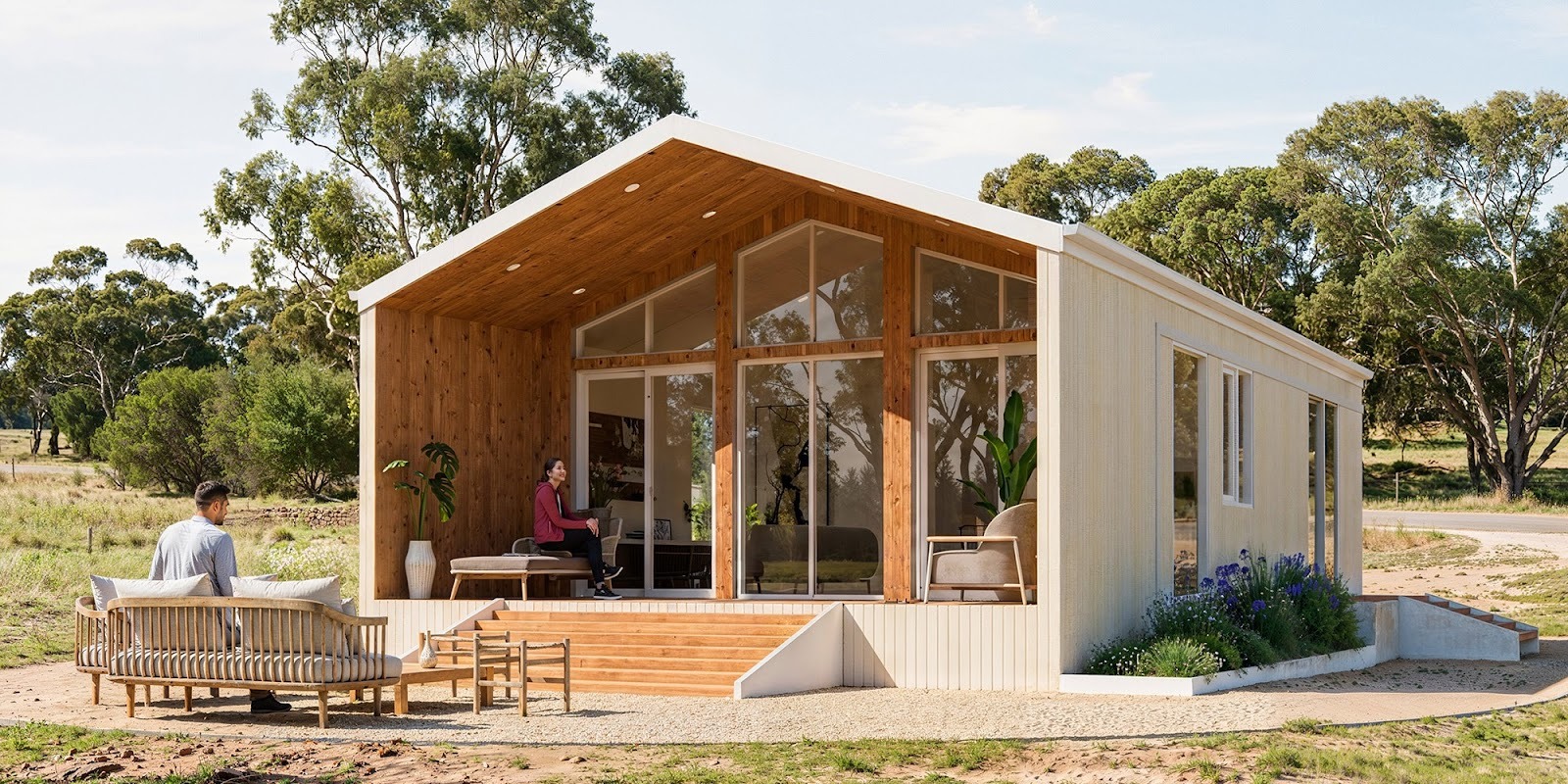
In recent years, there has been a growing interest in sustainable living solutions, with container homes emerging as a popular choice. This innovative approach to housing offers numerous environmental benefits, primarily by harnessing redundant shipping containers to create functional and stylish living spaces.
Reduced Carbon Footprint
Container homes significantly reduce the carbon footprint associated with traditional housing construction. The construction industry is known for its substantial carbon emissions, but container homes subvert this by repurposing existing materials instead of producing new ones. This reduction in manufacturing reduces greenhouse gas emissions, making container homes an eco-friendly alternative.
Furthermore, the modular nature of shipping containers allows for efficient transportation and assembly, cutting down on construction time and energy consumption. The ability to transport these units in segments and assemble them on-site means fewer resources are used during the building process, contributing to a reduced carbon footprint.
Use of Recycled Materials
The backbone of container homes lies in the use of recycled materials. Shipping containers are built to endure harsh conditions and have a lifespan that extends well beyond their original use. Repurposing these containers for residential housing not only grants them a second life but also prevents the need for additional raw materials.
This recycling is a direct way to reduce waste and conserve resources. By transforming otherwise unused containers into homes, the need for new building materials is lessened, thereby lowering the environmental impact compared to conventional construction methods.
Minimal Environmental Disruption
One of the most compelling benefits of container homes is their ability to minimise environmental disruption during the building process. Traditional construction often involves significant land excavation and alteration, which can have detrimental impacts on local ecosystems.
In contrast, container homes often require minimal foundation work, meaning that the natural landscape is preserved. This approach helps to maintain local biodiversity and reduces the impact on the environment surrounding the build site.
Energy Efficiency
Container homes can also be designed to be highly energy efficient. With the application of various insulation materials and the implementation of energy-saving systems, these homes maintain comfortable living conditions while reducing energy consumption.
The possibility of installing solar panels and other renewable energy systems enhances the sustainability of container homes, making them a viable option for those looking to decrease their reliance on non-renewable energy sources.
Adaptability and Customisation
Luxury container homes present unique opportunities for customisation and adaptability. Unlike traditional homes, containers can be stacked and arranged in various configurations, allowing for bespoke designs that can match the homeowner’s needs or preferences.
This flexibility means that container homes can be tailored to suit different climates and living conditions, enhancing their sustainability by ensuring that they efficiently use resources and maintain low energy costs.
Durability and Longevity
Constructed with steel, shipping containers are inherently durable and able to withstand extreme weather conditions. This robustness translates into longevity, meaning that container homes may require fewer repairs over time compared to traditional homes, which can deteriorate more quickly.
The long-lasting nature of container homes ensures that fewer resources are needed over the lifespan of the dwelling, reiterating their environmentally friendly credentials.
Cost-Effectiveness
While initially considered a niche market, container homes have proven to be a cost-effective option for sustainable housing. By using existing containers, construction costs and time are significantly reduced, making them accessible to a broader audience. Their affordability, alongside their sustainability benefits, makes them an attractive option in the modern housing market.
Community and Urban Development
The growing popularity of container homes is contributing to revitalising urban spaces and supporting community development. Projects that utilise container houses can transform neglected areas into vibrant communities, providing affordable and eco-friendly housing solutions.
This innovative use of urban space not only addresses housing shortages but also serves as a model for future sustainable urban development, highlighting container homes as a leading solution in modern architectural design.