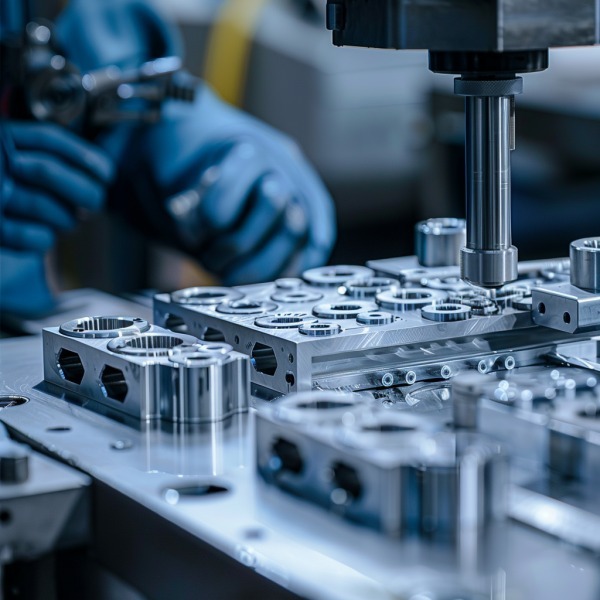
The production of marine-grade custom castings is a critical process that demands rigorous quality control measures. In the marine industry, where components face extreme environmental challenges, ensuring the highest standards of casting quality is paramount. The process involves multiple stages of scrutiny to ensure durability, performance, and safety.
Understanding the Importance of Quality Control
Quality control in casting is essential for businesses that aim to maintain their reputation and ensure customer satisfaction. The marine environment is unforgiving, with components exposed to saltwater, high pressure, and unpredictable weather conditions. Thus, marine-grade castings must withstand these harsh conditions while maintaining their structural integrity over long periods.
Material Selection and Testing
Choosing the right materials is the first step in the casting process. For marine applications, non-corrosive and high-strength metals like aluminium and stainless steel are preferred. These materials are selected based on their resistance to rust and their ability to endure mechanical stress. Rigorous testing ensures that these materials meet the necessary specifications for marine use.
Precision in Manufacturing
Precision in the manufacturing process is crucial for producing flawless castings. This involves using advanced techniques and technologies like computer-aided design (CAD) and computer-aided manufacturing (CAM) to ensure components are manufactured to exact specifications. This precision minimizes the likelihood of defects that could compromise the casting’s performance in marine environments.
The Role of Advanced Technologies
Technologies such as 3D printing and simulation software are transforming the casting industry. These technologies allow for the prototyping and testing of components under simulated marine conditions before production begins. This ensures that potential issues are identified and rectified early, reducing the risk of failures in final products.
Nondestructive Testing Methods
Nondestructive testing (NDT) methods are vital in verifying the integrity of marine-grade castings without compromising the component’s usability. Techniques such as ultrasonic testing, magnetic particle testing, and radiographic testing are employed to detect internal and surface defects, ensuring that only high-quality components are delivered.
The Importance of Surface Finish
A superior surface finish is crucial for marine-grade components as it influences not only appearance but also corrosion resistance. Processes such as sandblasting and coating applications are used to enhance the surface quality and prolong the lifespan of the castings by providing an additional layer of protection against environmental factors.
Implementing Statistical Process Control
Statistical process control (SPC) is used to monitor and control the production process through statistical analysis. By implementing SPC, manufacturers can ensure consistency and rectify deviations before they result in major defects. This proactive approach to quality control is essential in maintaining the reliability of marine-grade castings.
Compliance with Industry Standards
Meeting industry standards and regulations is non-negotiable in the marine sector. These standards ensure that castings are safe, reliable, and compatible with other marine systems. Quality control processes are designed to meet and exceed these regulations, highlighting the commitment to excellence required in marine castings.
Inspection and Auditing
Regular inspections and audits are conducted throughout the manufacturing process to ensure adherence to quality protocols. These checks are crucial in identifying areas for improvement and ensuring that the final product meets the stringent requirements set by industry leaders.
The Role of ISO Certification
ISO certifications are testament to a company’s commitment to quality. For FC Casting Solutions, adhering to these international standards is part of their strategy to deliver top-notch marine-grade castings. These certifications provide assurance to customers regarding the product’s quality and reliability.
The Value of Experienced Personnel
The expertise and experience of personnel play a significant role in upholding quality standards. Skilled workers, engineers, and quality inspectors ensure that every stage of the production process is meticulously executed, guaranteeing that every casting meets the designed specifications.
Continuous Improvement and Innovation
Continuous improvement and embracing innovation are pivotal in the casting industry. By continually striving to enhance processes and adopt new technologies, companies can achieve higher efficiency and quality. This commitment to innovation helps in maintaining a competitive edge in the industry.
Sustainability in Casting Practices
The push towards sustainability is influencing casting practices. Using eco-friendly materials and processes helps in reducing the environmental impact of manufacturing operations. This approach not only supports environmental conservation but also appeals to environmentally-conscious clients.
Choosing the Right Foundry
Selecting an appropriate custom industrial metal castings foundry is crucial for businesses requiring marine-grade castings. Ensuring the foundry has a track record of quality, compliance, and innovation helps in obtaining castings that meet specific requirements and performance criteria.
Conclusion
In conclusion, quality control in marine-grade custom castings is an intricate process that requires attention to detail at every stage. By focusing on material selection, employing advanced technologies, and adhering to strict industry standards, companies like FC Casting Solutions can provide components that perform reliably in demanding marine environments.