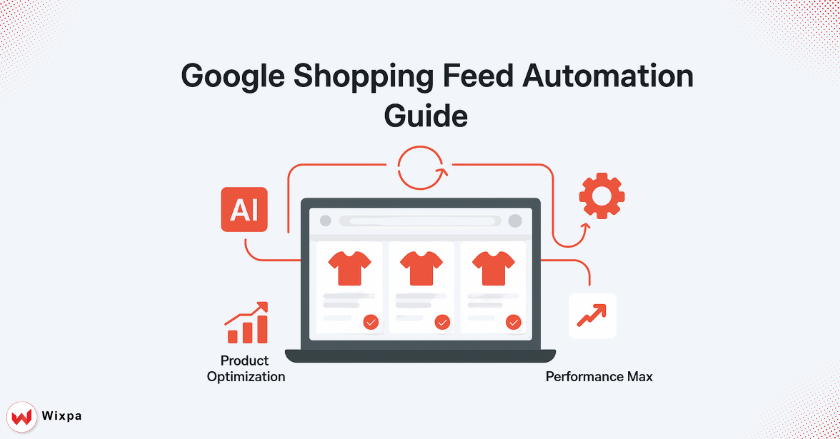
Ever wondered how Google Shopping feed automation can make your life as an online retailer easier in 2026? E-commerce keeps evolving, and staying on top of Google Shopping isn’t just a bonus; it’s essential for your business.
Automating your product feeds helps you save time, reduce errors, and ensure your products always appear correctly in front of the right customers. This guide will walk you through everything you need to know to master shopping feed automation and stay ahead in the competitive online market.
Quick Summary
In 2026, Google Shopping feed automation is essential for e-commerce success. It manages Google’s complex AI algorithms. It handles the scale of modern retail and boosts ROAS. Automating your product feeds helps keep data accurate. This way, you can avoid ad disapproval and boost your Performance Max campaigns. This guide shows how to build a great product feed. It covers using AI for optimization and picking the best feed management tools.
Google Shopping Feed Automation in the Era of AI
The digital marketplace now relies heavily on AI and machine learning, which means that handling large product lists manually is no longer realistic. This is where Google Shopping Feed Automation becomes a game-changer. It keeps your product data fresh, helps your items reach the right shoppers at the right moment, and gives you an edge against competitors who are already using automation to move faster.
Understanding the Google Shopping Ecosystem Today
Google Shopping is more than a simple product listing service. It’s a complex system. It includes Google Search, Google Images, and Performance Max campaigns. A good feed is key to your success on all channels. It has a significant impact on your visibility and ad performance.
Why Google Shopping Feed Automation Is Non-Negotiable in 2026?
Relying on manual feed updates in 2026 is like trying to win a Formula 1 race on a bicycle. The e-commerce landscape is too fast and complex. Automation drives successful shopping campaigns, and here’s why it’s essential.
- Navigating Google’s Complex AI & ML Algorithms: Google’s algorithms undergo continuous evolution. They use sophisticated machine learning to determine which products to show. Automated feeds give the high-quality, structured data that the algorithms need.
- The Scale and Speed of Modern E-Commerce: Today’s e-commerce market moves faster than ever. With thousands of products, fluctuating prices, and changing inventory, manual management is impossible. Automation handles this scale with ease, ensuring your data remains current.
- Direct Impact on Performance: ROAS and Conversion Rates. Your ROAS and conversion rates depend a lot on how good your product feed is.
A clean and optimized feed helps get better ad placements. It also leads to more qualified clicks and higher sales. From my experience, clients who automated their feeds saw an average ROAS increase of 30% within three months.
- Mitigating Ad Disapproval and Ensuring Compliance: The Google Merchant Center has strict policies. Simple errors in your product feed can lead to ad disapproval or even account suspension. Automation checks your data against Google’s rules. This greatly lowers the chance of compliance problems.
How Can You Create a Perfect Product Feed?
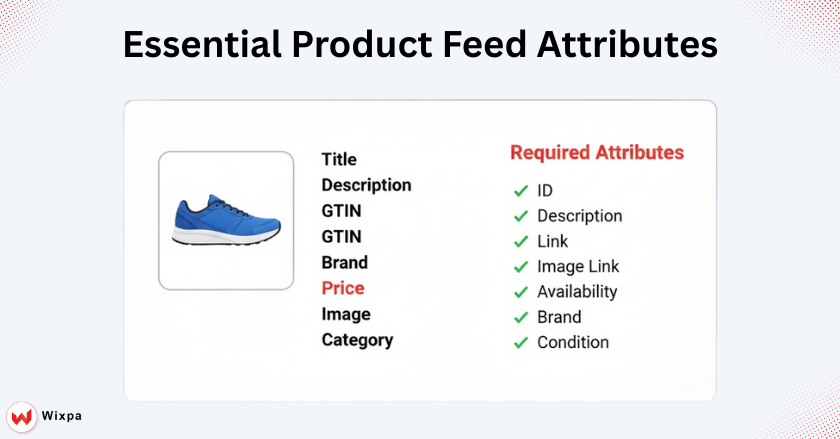
Creating a high-quality product feed is the first step toward successful automation. Your feed is the source of truth for Google, so getting it right is crucial. It’s about giving clear, complete, and engaging information that users and algorithms will appreciate.
Core Product Attributes
Think of product attributes as the DNA of your listings. Essential fields like GTIN, brand, MPN, and price are non-negotiable. Ensuring these are accurate and complete is the foundation for getting your products seen on Google Search.
Crafting Compelling Product Titles and Descriptions for AI
Your product titles and descriptions are prime real estate. They should be keyword-rich but also natural and compelling for shoppers. Use AI tools to improve your content efficiently. Test different versions to find what your audience likes best.
High-Quality Product Images for Visual Search and Engagement
We live in a visual world. High-resolution product images are critical for capturing attention and driving clicks. Make sure your images are clear. Show the product from different angles. Also, follow Google’s specifications. This is especially important for visual search on platforms like Google Lens.
Using Structured Data and Rich Product Snippets
Implementing structured data on your product pages helps Google understand your content better. This can create rich product snippets in search results. These snippets show details like price, availability, and customer reviews. These enhanced listings have a higher click-through rate and can significantly boost traffic.
Data Enrichment
Data enrichment means adding extra information to your feed. This isn’t necessary, but it adds value. This could include details like material, style, or specific features. A richer feed gives Google more context. This helps your ads show up in relevant searches.
How Automation Transforms Your Google Shopping Feed Management?
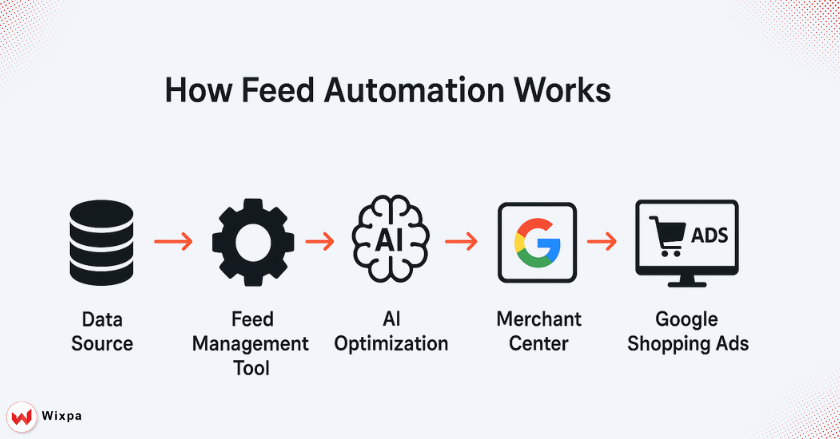
Automation does more than save time; it changes how you handle your Google Shopping strategy. It makes processes smoother, boosts accuracy, and opens up new ways to optimize that you can’t get by hand.
- Automated Data Collection and Integration: Automation tools gather product data from various sources. This includes your e-commerce platform, ERP system, or Google Sheets. This ensures that we consolidate all relevant information into a single, cohesive feed.
- Real-time Product Data Updates and Synchronization: Prices and stock levels change constantly. Automation keeps your product data updated in real-time. Your Google Merchant Center feed won’t display out-of-stock items or wrong prices in your ads.
AI & Machine Learning
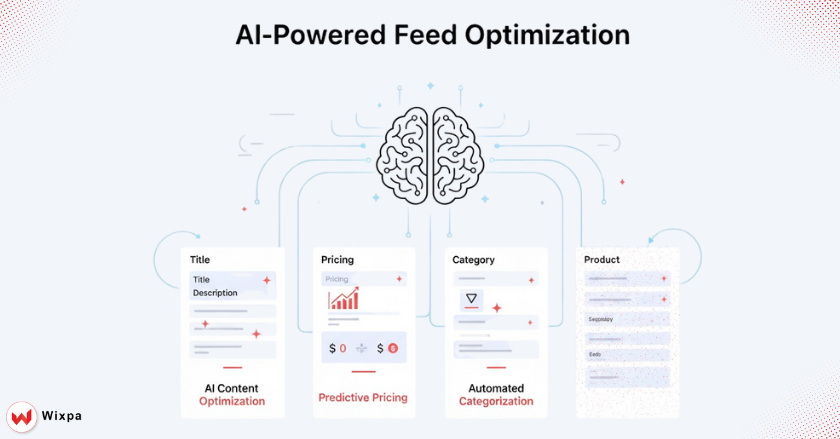
Automation drives you, while artificial intelligence guides you to success. AI and machine learning are boosting feed optimization. They provide predictive insights and make real-time adjustments. This technology feels like something from science fiction.
- AI-Powered Product Content Creation: ChatGPT Shopping helps make catchy product titles and descriptions. They look at the best listings and use what they find to improve your content. This makes sure it’s ready for both search engines and shoppers.
- Intelligent Image Optimization and Visual Discovery: AI analyzes your product images to enhance their visual appeal. It checks if they meet Google’s guidelines, suggests improvements, and automatically tags them. This helps with better visual discovery. This helps your products stand out in an increasingly visual shopping environment.
- Automated Product Categorization and Attribute Mapping: Properly categorizing your products helps improve visibility. AI can quickly map your products to the right Google Product Category. This task is slow and often makes mistakes when done by hand.
- Predictive Analytics for Pricing and Promotion Optimization: AI algorithms assess market data, track competitor pricing, and analyze historical trends. They recommend the best pricing and promotion strategies. This ensures you remain competitive while maximizing your retail margins.
- Dynamic Creative Optimization (DCO) uses your product feed. It automatically creates personalized ads for various audience segments. This level of personalization dramatically improves ad performance and conversion rates.
What Tools Are Best for Feed Automation?
Choosing the right feed management tools is a critical decision. The market offers many options. It’s key to assess them based on your needs, budget, and tech skills.
Identifying Your Automation Needs and Goals
Before you start shopping for a tool, define what you want to achieve. Are you just trying to automate data syncs? Or do you need advanced features like AI content optimization and competitive analysis? Having clear goals will help you narrow down the options.
Key Features to Look for in a Feed Management Tool
Pick a platform with:
- Strong integration
- Rule-based optimization
- Error reporting
- Excellent customer support
When picking your marketing automation tools, think about data enrichment. Also, support for multiple channels is key.
Top Feed Automation Platforms for 2026
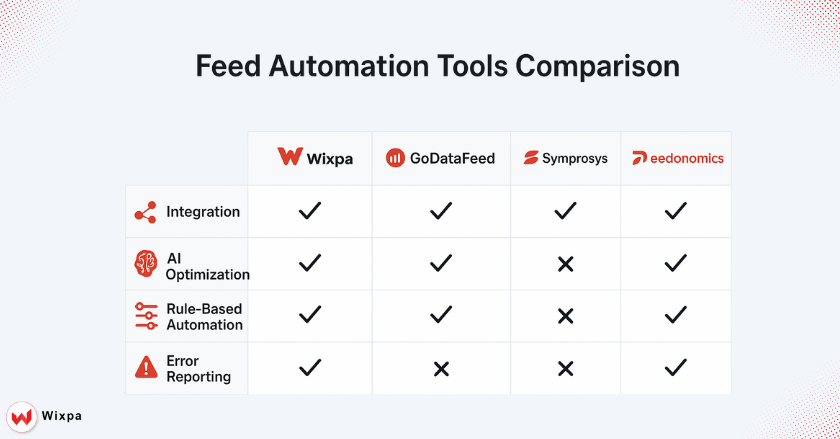
In 2026, the landscape will keep changing. Some top platforms to consider are Wixpa, GoDataFeed, Symprosys, and Feedonomics. These tools provide a complete set of features. They help e-commerce businesses of all sizes succeed with Google Shopping feed automation.
Step-by-Step Implementation Guide
- Select Your Tool: Choose a platform that aligns with your needs and budget.
- Connect Your Data Source: Join your e-commerce store, such as Shopify or BigCommerce, with the feed management tool.
- Map Your Attributes: Make sure your product data fields match Google’s required attributes.
- Create Optimization Rules:
- Set rules to improve your product titles.
- Enhance your descriptions and other details.
- Submit to Merchant Center: Link your new, optimized feed to your Google Merchant Center account.
- Regularly assess your feed’s performance and adjust it according to the findings.
Integrating Automated Feeds with Advanced Google Ads Strategies
An optimized feed is most powerful when integrated with sophisticated Google Ads strategies. Your feed data can boost different campaign types. It’s very helpful for Performance Max campaigns.
- Boosting Performance Max Campaigns with Better Feeds: A strong product feed is essential for Performance Max. An enriched feed has detailed attributes and high-quality assets. This helps the algorithm target better and improves ad performance.
- Upgrading Smart Bidding and Optimization: Smart Bidding uses machine learning to boost conversions. A clean and accurate feed gives bidding algorithms the high-quality data they need. This helps them make smarter and more effective decisions.
- The Role of First-Party Data in Feed Personalization: First-party data from a customer data platform (CDP) shapes personalized ads. It uses your product feed to create tailored experiences. You can tailor promotions and product recommendations based on past customer behavior.
- Advanced Negative Keywords and Search Term Management: PMax offers less control. But you can still use account-level negative keywords. This helps keep your ads from showing on irrelevant queries. Regularly review the search terms report to identify new negative keyword opportunities.
- Boosting Google Ads Quality Scores: A well-optimized feed improves Quality Scores. A higher Quality Score leads to lower costs per click and better ad positions.
Pro Tips
To maintain a competitive edge, it’s not enough to just set up automation. You must proactively adapt to technological and consumer behavior changes. As a PPC specialist, I always tell my clients to think one step ahead.
Staying Ahead of Google Merchant Center Policy Updates
Google frequently updates its policies. Subscribe to the Google Ads blog and other news sources to stay updated. Set a quarterly reminder to review your feed for compliance with any new rules.
Regular Feed Audits and Performance Monitoring
Schedule monthly or quarterly audits of your product feed. Look for errors, optimization opportunities, and underperforming product listings. Tools like Marketing Miner can help automate parts of this process. This is something every retailer, from a large online store to a local boutique in your city, should be doing.
Adapting to the evolving shopping graph and visual search.
Google’s Shopping Graph is becoming more sophisticated, incorporating visual search and more. Make sure your product images are great. Also, structure your data to use these discovery methods.
Preparing for Voice Search and Smart Speaker Integration
Voice search is on the rise. Revise your product descriptions and features to answer common questions about smart speakers. Think about how people talk, not just how they type.
The Role of AI in Continuous Feed Optimization
Continue exploring new AI tools to help with feed optimization. Technology is moving fast, so early adopters will have a big advantage. Don’t be afraid to experiment with new platforms and strategies.
Final Thoughts
Mastering Google Shopping feed automation is a journey. It leads to better efficiency, higher profits, and a lasting competitive edge. By using the strategies and tools in this guide, you’re not just keeping pace. You’re preparing your business for long-term success in the evolving e-commerce landscape.
Take the first step today, and let feed automation work for you.
FAQs
1. How can Google Shopping Feed Automation improve product listing accuracy?
Feed Automation enhances product listing accuracy by automatically collecting, formatting, and updating product data. This reduces errors like missing descriptions, wrong prices, or incorrect categories. Consistent and complete listings meet Google’s requirements, improve visibility in relevant searches, and provide a smoother shopping experience for customers.
2. What common mistakes should be avoided in Shopping Feed Automation?
Common errors to avoid in feed automation include missing or incorrect product details, improper categorization, low-quality images, and outdated pricing. Failing to follow Google’s requirements can reduce visibility, lower ad performance, and negatively impact customer trust and sales.
3. How does Shopping feed automation work?
Shopping feed automation uses tools and AI-based platforms to automatically generate, update, and optimize product data for Merchant Center. Instead of manually editing spreadsheets, automation tools sync your store’s inventory, pricing, and product details in real time.
4. Which is the best app to create a Google Shopping Feed?
The best apps to create Google Shopping feeds include Wixpa Shopping Feed, DataFeedWatch, and Channable. These tools offer robust features like feed optimization, syncing with multiple channels, and detailed reporting, ensuring your products are properly formatted for Google Shopping.
5. What are the benefits of using Google Shopping Feeds?
Google Shopping Feeds offers significant benefits like optimized product listings, automatic updates for pricing and availability, and increased ad performance. It streamlines feed management, ensuring your products are displayed correctly on Google Shopping, which can lead to higher visibility and increased sales.