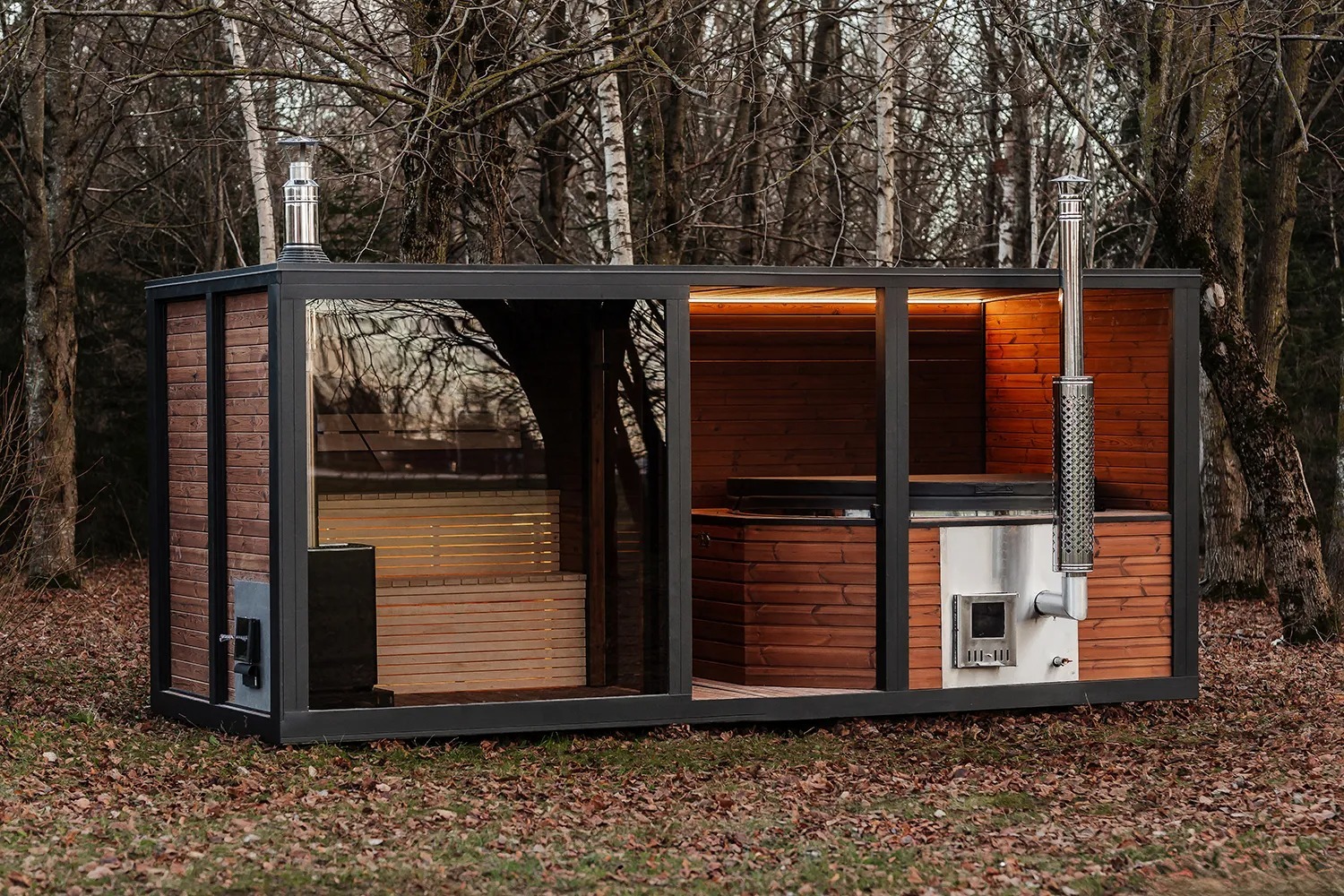
Garden saunas are a great trend as more people realize the luxury of having a wellness retreat just outside their home. Setting up a garden sauna needs careful planning and thinking along with making a list of needs and wants. The more you know the better choices you will make, will be safe, functional and usage will bring years of enjoyment.
Safety is much more than just complying with building regulations. Proper installation touches on all aspects from fire hazards, strength of the construction and even how much it will cost you to keep the unit in good working order in the long run. Getting these details right from the beginning creates a wellness space you’ll actually use rather than a liability you’ll regret.
Site Selection and Foundation Requirements
Picking a location for a garden sauna that fits your lifestyle means figuring out a balance between being close and private, as well as considering the practical stuff, like how to drain the water and get electricity. The sauna can be just a step away from your house so it doesn’t scare you off from using it, but it shouldn’t be a bother to your neighbors or spoil other kids’ outdoor fun.
The condition of the ground is even more important than most people think. The area must be able to hold the weight of a sauna plus the people using it without sinking or moving over the years. If the soil is soft or doesn’t drain well, you’ll have problems starting with the floor being uneven and going all the way up to the sauna walls being damaged by the stress of the structure.
A good foundation usually means a concrete slab, a paver base, or a treated timber platform a bit elevated from the ground. The foundation has to be bigger than the sauna footprint to keep water from pooling by the walls and to give a stable border. Having good drainage around the foundation keeps the ground from freezing and swelling in winter and keeps the wood from getting moldy and rotting.
Electrical and Heating System Safety
Electric heating solutions are the most popular option for home garden sauna installations, and to be compliant with electrical codes and safety norms, they necessitate professional installation. The heater has to be of a correct size for the sauna volume, a suitable gauge cable should be used for wiring, and the circuit breakers need to be of the right rating. There are fire hazards if one does not strictly follow the electrical code, and the warranties become void.
Wood burning stoves provide a different way of heating that can do without the electrical element but will have different safety factors. The clearances from the wood stove and other combustible materials have to be per code, a certified chimney system that does not allow creosote buildup, and fire protection around the stove area. It is a common local regulation to limit the use of wood burning appliances; hence, one should ascertain the zoning laws before the purchase.
Ventilation requirements serve both comfort and safety functions in any outdoor sauna. Fresh air intake near floor level and exhaust vents near the ceiling create convection currents that maintain oxygen levels and remove excess humidity. Inadequate ventilation causes stuffiness and can contribute to mold growth over time, while also potentially creating carbon monoxide risks with wood-burning systems.
Structural Integrity and Weather Protection
Compared to their indoor counterparts, outdoor saunas are exposed to weather elements that can deteriorate the construction and are thus very prone to weathering. The exterior of the sauna needs to be able to keep the water from seeping through and at the same time the insulation not only helps in keeping the heat inside but also the resistance of the structural components to temperature extremes. When the weatherproofing is weak, the house becomes susceptible to rot and mold and eventually the structure will fail.
The roof is the one part that has to be given the most attention because when the roof fails, the whole structure is at risk. Having a steep enough roof will allow the water to flow down easily and using high, quality roofing products which are suitable for your local climate will protect the roof from both the precipitation and the harmful rays of the sun. Good flashing at the edges where the roof and walls meet will help to keep the water out at these joints which are always vulnerable to water intrusion.
Fire Safety Measures and Precautions
Fire safety is first and foremost about ensuring heating devices have enough space around them that the heat can’t ignite nearby materials. A manufacturer of sauna heaters, for example, even if one were to use a non, combustible protective shield, they will still specify certain minimum distances that have to be observed when using heaters. Since the major risk of fire is heat radiation, hence, the clearance between the heater and the materials is necessary because the radiant heat will be able to ignite the materials even when there is no direct contact and only an extended exposure.
Storing combustible materials near or inside the sauna creates obvious fire hazards. Towels, robes, and other such items must never be allowed to cover or be placed against heaters. More importantly, there are a lot of sauna fires that get started from items left too close to the heating elements, so a very strict housekeeping policy is necessary if we want to make sure the sauna is safe to be used.
Fire extinguishers suitable for electrical and wood fires should always be close at hand just outside the sauna door. You are not allowed to carry fire extinguishers inside the sauna while it is at use, but the fact that you have one that is immediately available means that you can react right away to an unexpected situation. Smoke detectors placed in or near the sauna give a very early warning, only that they have to be very carefully designed for high, temperature environments so as not to produce false alarms.
Safe Operation Practices and Maintenance
Heating the sauna to the right temperature before entering will help you avoid thermal shock and will allow the heat to be distributed evenly. Going for the warmup too fast by setting the temperature knob to the max not only tests the heating elements’ endurance but also produces inconveniently hot places. Most saunas will work optimally when they are left to reach the desired temperature gradually over a period of 30, 45 minutes.
Drinking water before, during, and after sauna use helps to keep the body hydrated and prevent situations that follow dehydration. The profuse sweating that takes place during the sessions results in the loss of body fluids at a rate higher than people typically think. Keeping water nearby makes it easier for people to remain properly hydrated without them having to make a trip to the house.
The time duration that one stays in the sauna depends on each person’s tolerance level. However, going beyond the time set by the guidelines increases the dangers of dehydration, overheating, and cardiovascular problems. Beginners should take their first sessions very lightly, only 10, 15 minutes, and they can increase the time gradually as they get used to heat. Experienced users, on the other hand, are advised to limit their sessions to 20, 30 minutes with breaks for cooling between rounds.
Creating a Safe Long-Term Wellness Space
Installing an outdoor garden sauna with safety in mind means that you need to attend to a lot of details. However, the payback will be in years of reliable and worry, free use. All the safety aspects, such as foundation design, fire prevention, and maintenance, together result in a wellness area that adds value to your property rather than becoming a liability.
The main thing is to consider safety as a natural part of the design and installation stages, not as a later addition. If you make proper site preparation, professional installation of heating and electrical systems, quality weatherproofing, and regular maintenance your priorities, then your sauna will be a great facility at home, which you will use safely for a very long time. The peace of mind from knowing that your installation complies with all safety standards, allows you to concentrate on the most important thing, enjoying the health, giving effects of heat therapy in the comfort and privacy of your own garden.