Buying a used car is simple at first. You see a car you like, check the photos, compare prices and think it might be the right match. Once you start questioning the car’s history, things become unclear. You want to know how it was kept, who used it before, and if it ever faced major trouble. Those answers don’t come just from looking at it or hearing the seller out.
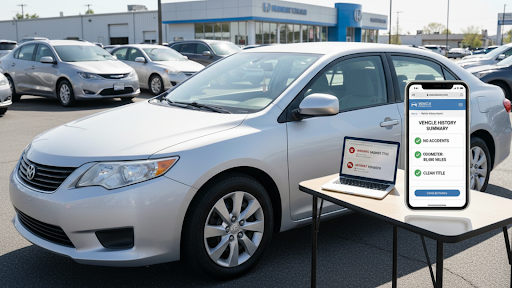
This is where most people turn to a Carfax report. It gives a clean look at the car’s history without relying on anyone’s memory. It lists accidents, mileage readings, ownership changes and other records pulled from many official sources. The problem is the price. A single report feels costly, especially when you are checking different cars. It leads buyers to search for cheaper ways, and that’s where mistakes begin.
You can get a cheap Carfax report. Many buyers do it the right way every day. The trouble comes when someone tries to cut the price too far. That’s when hidden risks appear, like fake reports and unreliable data. This guide explains how to save money without losing the accuracy that protects you from buying a bad car.
Why Carfax Still Matters Even When You Want a Cheaper Option
People sometimes think they can skip the report and trust their gut feeling. Or they rely only on the seller’s words. That’s where problems begin. A car can look clean on the outside while carrying serious issues behind the scenes. Many problems don’t show until months after purchase. Flood damage, rolled-back mileage, airbag deployment, structural damage and salvage titles all fall into that category.
Carfax collects data from insurance companies, repair shops, police records, DMV offices and many other sources. You can’t see this information during a test drive. You can’t see it in a simple VIN lookup either. A proper Carfax shows patterns that reveal how the car was treated by each owner. You learn whether the car stayed in one city, traveled a lot, or moved between states after a major accident.
Getting this information from one trusted source is the main reason Carfax still holds strong value. You’re not only buying data. You’re buying a warning system that protects your money and peace of mind.
Start With the Easiest Method: Ask the Seller First
Before spending anything, always check with the seller. Many dealers already have access to Carfax. They purchase bulk packages for their inventory, so sharing one report costs them nothing extra. Many private sellers also download reports in advance to attract buyers.
A simple question saves you money. Sellers who keep things transparent usually share the report right away. It shows they have nothing to hide and want a smooth deal. When a seller refuses or keeps delaying, take it as a signal. If they avoid sharing a simple report, they might be hiding something bigger.
If the seller does provide the report, still check the date. An old Carfax is not helpful. You need the most recent version because a lot can change in even one month.
The Safe Way to Get a Cheaper Report: Use a Verified Reseller
This is where most buyers save a lot of money without losing accuracy. Carfax resellers buy reports in bulk and sell them at a reduced price. Since they pay less per report, they can charge lower fees. Buyers get the same authentic Carfax PDF that comes from the official system.
But here is the catch. Not every “cheap Carfax seller” is legitimate. Many online sellers post low prices to lure buyers into buying fake or outdated reports. Some send edited PDFs. Some send AutoCheck or NMVTIS reports but call them Carfax. Others disappear after receiving payment.
A real reseller always gives a report that includes:
- A working Carfax link you can open
- A recent timestamp
- The correct VIN
- Complete sections without missing pages
Fake reports usually have broken links, mismatched formatting, outdated timestamps or missing details.
If a seller only wants to deal on Telegram, or tells you “no link available,” or offers extremely low prices, avoid them. Real reports have real costs. Extremely cheap ones are always a trap.
Use Cheaper VIN Tools to Filter Cars Before Buying Carfax
You don’t always need a Carfax for every car you see. Many buyers waste reports on cars that were never good options in the first place. A smart method is to use cheaper VIN checks early on.
There are tools that show basic title history, theft records and total loss claims. They cost much less than a Carfax and help you narrow down your list. These reports help you cut out cars with obvious issues before spending on a full Carfax.
Once you have one or two final choices, that’s when you buy a proper Carfax. This saves time, money and unnecessary stress.
Avoid Free Carfax Promises at All Costs
It is very common to see websites or videos claiming they can provide a “free Carfax report.” These are almost always misleading. What they give you is not Carfax. It is usually a basic VIN lookup or a scraped version of public records.
A true Carfax report costs money to generate. So when someone says it is free, the data will always be incomplete, outdated or entirely fake. Many buyers have made costly mistakes because they trusted a fake report.
A fake Carfax might hide accident records, flood damage, airbag deployment, mileage corrections and title issues. You think you’re saving money but end up buying a car with serious problems. Avoid free report promises no matter how convincing they appear.
Spotting Fake Carfax Reports Before They Fool You
Fake reports often look impressive at first glance. People use templates taken from real Carfax files, then swap the details. They send them as screenshots to make them harder to verify.
You can detect fakes by checking a few things:
Real Carfax reports always come with a live link. If someone refuses to share the link or says it only comes in PDF, treat it as a warning. A real Carfax link loads instantly, and the report on the website matches the PDF exactly.
Another detail is the timestamp. Fake reports often reuse old timestamps or random dates. Check if the report date makes sense. If the report is too old, it is not reliable.
Finally, check if the VIN on each page matches. Fake reports often miss a page or forget to replace values in small sections.
There Are Moments When a Full Carfax Is a Must
Even when you try to save money, certain situations demand a complete Carfax. For example, cars that were imported from other countries often have unknown history before reaching your market. A Carfax helps you see what happened before the import.
Auction cars also need detailed checks. A lot of cars at auctions have been in accidents or flood situations, or were part of insurance claims. The price might look great at first, but you often end up paying for it later. And if a car is way cheaper than others like it, that usually means something’s up. A deep discount often means something happened in the past. Without a proper Carfax, you move forward blind.
Also, when a car has changed owners many times, a complete report helps you see patterns. Frequent ownership changes can signal recurring issues that past owners tried to escape.
In all these cases, guessing is risky. A full report protects you from costly surprises.
The Smart Way to Save Without Cutting Corners
The safest and most affordable method is actually pretty simple. First, just ask the seller if they can provide the report. Use low-cost tools for early filtering. And when you find a serious option, get a discounted but real Carfax from a trusted source.
This way, you control your cost without giving up accuracy. You avoid scams, avoid outdated information and avoid blind decisions. You stick to your budget while still understanding the car’s full history.
Final Thoughts
A Carfax report isn’t just a piece of paper. It’s one of the few tools that help you see the truth behind a used car. While the full price may feel high, the cost of buying the wrong car is far greater. The good thing is that you do not need to overpay. You can still get the same reliable Carfax report at a lower price as long as you follow safe methods and avoid shortcuts that lead to fake or incomplete data.
Saving money is good. Staying informed is better. Doing both at the same time is the smartest way to buy a used car.