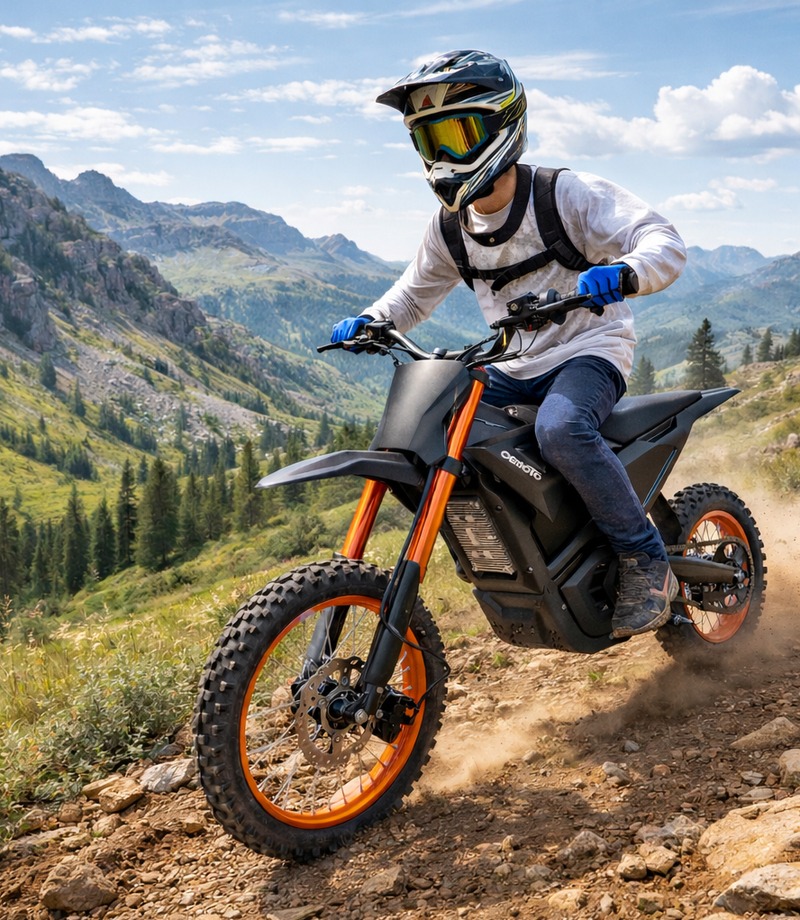
Adult scooters have surged in popularity over the past few years, transitioning from novelty items into serious tools for daily commuting, fitness, and outdoor recreation. Whether navigating city streets or tackling rugged trails, more adults are turning to scooters as a practical, eco-friendly alternative to cars and traditional bicycles. But with hundreds of models flooding the market, each boasting a dizzying array of specs and features, choosing the right one can feel overwhelming.
Among the many factors to consider, braking performance stands out as the most critical safety element — and hydraulic disc brakes have emerged as the gold standard for adult riders who demand reliability and control. For outdoor enthusiasts especially, having a braking system that performs consistently across wet terrain, steep descents, and unpredictable trail conditions is non-negotiable.
This article is designed for adventurous adults who want more than a basic ride — those who seek durable, high-performance scooters capable of handling diverse environments. We’ll walk you through everything you need to know: understanding hydraulic disc brakes, evaluating essential features like long-range lithium batteries and Shimano gear systems, assessing durability for off-road use, and following a practical step-by-step selection process to find the best scooter for adults that fits your lifestyle.
The Importance of Hydraulic Disc Brakes in Adult Scooters
Hydraulic disc brakes use fluid-filled lines to transfer force from the brake lever to calipers that grip a rotor mounted on the wheel hub. When you squeeze the lever, hydraulic pressure amplifies that input, delivering consistent, powerful stopping force with minimal hand effort. This self-adjusting mechanism means the brake pads automatically compensate for wear, keeping performance steady over time without constant manual adjustment.
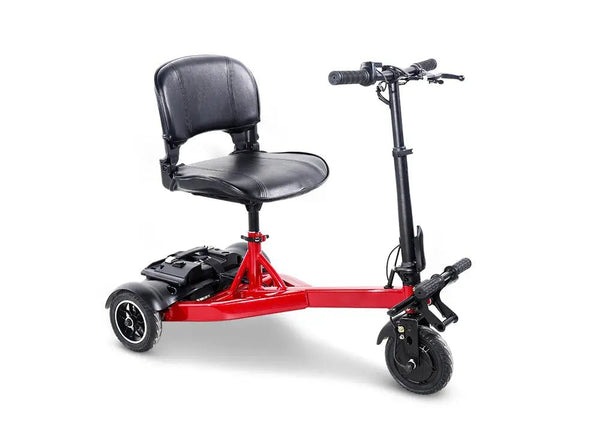
Compared to mechanical cable brakes or traditional rim brakes, hydraulic disc brakes offer a significant edge in real-world conditions. Rim brakes lose effectiveness when wet, and cable-actuated systems introduce friction and lag that reduce precision. Hydraulic systems, by contrast, maintain full stopping power whether you’re riding through rain-soaked streets or descending a muddy trail. The rotor sits away from the rim, so dirt, water, and debris have far less impact on braking reliability.
For adult riders — particularly those pushing scooters beyond casual city use — this translates directly into safety and confidence. Heavier riders, higher speeds, and unpredictable terrain all demand a braking system that responds instantly and predictably. Hydraulic disc brakes deliver shorter stopping distances and better modulation, meaning you can feather the brakes on a steep slope rather than grabbing and locking up. Reduced maintenance requirements are another practical benefit; unlike cable systems that stretch and corrode, hydraulic lines stay effective far longer. When evaluating any adult scooter, treating hydraulic disc brakes as a baseline requirement rather than a premium upgrade is the smartest approach to rider safety.
Essential Features: Integrating Long-Range Lithium Batteries and Shimano Gears
Beyond braking performance, the components that define a scooter’s day-to-day usefulness come down to its power source and drivetrain. For electric models, battery capacity determines how far you can ride before needing a charge, while a quality gear system dictates how efficiently you handle changing speeds and elevation. Together, these features separate a capable adventure scooter from one that struggles the moment you leave smooth pavement.
Long-Range Lithium Batteries: Powering Extended Adventures
Lithium-ion batteries have become the standard for adult electric scooters, and for good reason. They offer a superior energy-to-weight ratio compared to older battery technologies, meaning you get more range without adding unnecessary bulk to the frame. When evaluating battery performance, focus on three core metrics: capacity measured in watt-hours, charge cycle longevity, and real-world range under load. Manufacturer-claimed ranges are typically tested under ideal conditions — flat terrain, moderate speed, and a lighter rider. For outdoor enthusiasts carrying gear or tackling hilly trails, expect actual range to run 20–30% lower than advertised figures. Look for models offering at least 40–50 miles per charge if extended trips are part of your plan, and prioritize batteries with regenerative charging support where available, as descents can meaningfully recover energy on longer routes. Brands like Cemotobike have built their e-bike lineup around high-capacity lithium battery systems designed specifically for extended outdoor use, reflecting the growing rider demand for genuine long-range capability. Charging time matters too; a battery that takes eight hours to replenish limits your flexibility on multi-day adventures.
Shimano Gears: Enhancing Control and Efficiency
Shimano gear systems, widely trusted in the cycling world, bring the same precision and durability to scooters equipped with multi-speed drivetrains. For riders tackling varied terrain — steep climbs, loose gravel, or fast descents — a reliable gear system allows you to maintain an efficient cadence rather than fighting the resistance of a single fixed ratio. Shimano components are particularly valued for their consistent indexing, meaning shifts are crisp and predictable even after extended use or exposure to trail conditions. When comparing scooters, check which Shimano tier the components belong to, as entry-level groupsets still outperform generic alternatives in longevity and shift quality. Pair a well-specced gear system with hydraulic disc brakes, and you have a scooter that handles speed and terrain changes with the confidence you’d expect from a quality mountain bike.
Catering to Outdoor Enthusiasts: Durability and Terrain Handling
For riders who venture beyond city sidewalks, a scooter’s ability to absorb punishment and adapt to changing surfaces becomes just as important as its braking system. Trail riding, gravel paths, and uneven terrain expose every weakness in a scooter’s construction — from frame flex under load to tires that lose grip in loose conditions. Investing in a model built specifically for outdoor demands isn’t just about performance; it directly affects long-term cost-effectiveness, since a durable scooter requires fewer repairs and replacements over its lifespan.
Durability: Built to Withstand Off-Road Challenges
Frame material is the foundation of any durable scooter. Aircraft-grade aluminum alloys strike the best balance between strength and weight, while reinforced steel frames offer additional rigidity for heavier riders at the cost of added mass. When inspecting a potential purchase, look for welded joints rather than bolted connections at high-stress points like the stem and deck junction — these areas bear the most impact force during rough riding. Weight capacity ratings matter too; always choose a model rated comfortably above your actual weight to avoid stressing components at their limits. Weather resistance rounds out the durability picture: sealed bearings, corrosion-resistant hardware, and water-resistant wiring are details that separate trail-ready scooters from those designed purely for dry pavement. Before buying, check whether replacement parts are readily available from the manufacturer, since even the most robust scooters eventually need new brake pads, tires, or cables.
Terrain Versatility: From Pavement to Trails
Tire choice is the single most impactful factor in terrain adaptability. Pneumatic tires — air-filled rather than solid — absorb trail vibration naturally and provide better traction on loose or uneven surfaces. For mixed-use riders who split time between urban commutes and weekend trails, a knobby or semi-slick tread pattern handles both environments reasonably well without requiring a tire swap. Ground clearance also dictates where a scooter can realistically go; models with at least 100–120mm of clearance under the deck navigate roots, rocks, and curb edges without grounding out. Front and rear suspension systems further extend terrain capability by reducing the jarring impact transferred to the rider on rough descents. When evaluating terrain compatibility, think honestly about your most demanding riding conditions and select a scooter whose specs exceed those requirements rather than barely meeting them — a margin of capability keeps rides enjoyable rather than stressful.
A Practical Guide: Step-by-Step Selection Process
Knowing what features matter is only half the battle — translating that knowledge into a confident purchase decision requires a structured approach. The following steps walk you through the selection process from initial self-assessment to final purchase, keeping outdoor performance and long-term value at the center of every decision.
Step 1: Define Your Usage Scenarios and Terrain Requirements
Start by mapping out exactly how and where you plan to ride. A scooter optimized for weekend trail adventures has very different requirements than one designed primarily for urban commuting with occasional off-road detours. Write down your most demanding riding conditions — steep climbs, loose gravel, wet pavement, long-distance routes — and use that list as your baseline spec requirement. Any scooter you consider should comfortably exceed those conditions, not just barely meet them. This step prevents the common mistake of buying a city-focused model and expecting it to perform on rugged terrain.
Step 2: Set a Budget and Prioritize Key Features
Once you understand your riding needs, establish a realistic budget range and rank your must-have features in order of importance. For outdoor riders, hydraulic disc brakes and a durable frame should sit at the top of that list — these are non-negotiable safety and reliability investments. Long-range lithium batteries and Shimano gear systems follow closely for riders tackling extended or varied terrain. Avoid trimming budget from these core areas to afford cosmetic upgrades or secondary features. A scooter with excellent brakes and a dependable drivetrain will serve you far better than a flashier model that compromises on fundamentals.
Step 3: Test and Compare Models Based on Performance
Whenever possible, test ride shortlisted models before committing. Pay specific attention to brake lever feel — hydraulic systems should respond smoothly with minimal effort and without sponginess in the lever travel. Run through gear shifts across the full range to confirm crisp, reliable indexing under load. If an in-person test isn’t available, seek out long-form reviews from riders who’ve used the scooter in conditions similar to yours, and look for independent battery range tests rather than relying solely on manufacturer claims. Side-by-side comparisons across two or three finalists make differences in build quality and component specification far more apparent than evaluating models in isolation.
Step 4: Consider After-Sales Support and Warranty
Even the most durable scooter will eventually need brake pad replacements, tire swaps, or battery servicing. Before purchasing, verify that the manufacturer offers accessible replacement parts and responsive customer support. A warranty of at least one to two years on the frame and drivetrain signals that the brand stands behind its build quality. Check whether authorized service centers exist in your region, particularly for hydraulic brake bleeding and battery diagnostics — two maintenance tasks that require specialized tools. Brands with active owner communities and transparent documentation, such as Cemotobike, are considerably easier to maintain over the long term, reducing both downtime and unexpected repair costs.
Ensuring Longevity: Maintenance and Care Tips
A high-performance scooter only stays that way with consistent upkeep. Hydraulic disc brakes, in particular, require periodic attention to maintain their edge. Check brake fluid levels every three to six months and watch for sponginess in the lever — a soft, inconsistent feel typically signals air in the lines and means a bleed is overdue. Inspect brake pads regularly for wear, since worn pads reduce stopping power before you notice any obvious change in feel. Keep rotors clean and free of oil contamination, as even a small amount of grease transferred from your hands can dramatically reduce braking effectiveness.
Battery care directly affects how long your electric scooter remains reliable. Avoid storing the battery at full charge or fully depleted for extended periods — keeping it between 20% and 80% during storage significantly extends cycle life. Charge in a cool, dry environment and use only the manufacturer-supplied charger to prevent voltage irregularities that degrade cells over time.
For gear systems, a clean drivetrain shifts better and lasts longer. Wipe down the chain after muddy or wet rides, apply a quality lubricant suited to your riding conditions, and check cable tension periodically if your scooter uses a hybrid mechanical-hydraulic setup. After off-road sessions, rinse dirt from suspension components and inspect for frame cracks at high-stress weld points. Storing your scooter indoors or under a weather cover prevents corrosion on hardware and protects wiring from moisture damage — a small habit that pays off substantially over years of regular outdoor use.
Making the Right Investment for Every Ride
Choosing the right adult scooter comes down to understanding which features genuinely matter and refusing to compromise on the ones that keep you safe and capable on any terrain. Hydraulic disc brakes sit at the foundation of that decision — their consistent stopping power, low maintenance demands, and reliable performance in wet or steep conditions make them a non-negotiable baseline for any serious rider. Build on that foundation with a long-range lithium battery that matches your adventure ambitions and a Shimano gear system that handles elevation changes without fighting you, and you have a scooter ready for far more than a casual spin around the block.
Durability and terrain versatility determine how long that capability holds up. A well-constructed frame, all-terrain tires, and thoughtful suspension design extend both your riding range and your scooter’s lifespan — particularly when paired with the maintenance habits outlined in this guide. The step-by-step selection process ties everything together: define your real-world riding demands, prioritize accordingly, test before committing, and verify that after-sales support will be there when you need it.
Apply this framework and you won’t just buy a scooter — you’ll invest in a reliable companion for every adventure ahead, from daily commutes to weekend trail rides. The right choice is out there; now you have the knowledge to find it.