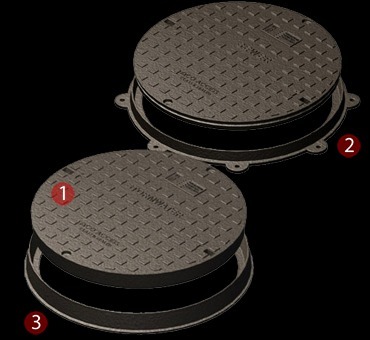
Access covers play a pivotal role in modern infrastructure, enabling safe and efficient access to utilities while ensuring the safety and security of pedestrians and vehicles. When it comes to selecting the right access covers for various environments, innovation is key in enhancing both safety and accessibility.
The Importance of Access Covers
Access covers are crucial components in urban and rural settings, protecting essential underground utilities such as water, telecommunications, and electrical services. These covers are designed to withstand various environmental conditions and load classes, ensuring longevity and reliability.
Safety First: Addressing Potential Hazards
Innovative access covers are engineered to tackle potential hazards such as slips, trips, and falls. Non-slip surfaces are integral to modern designs, reducing the risk of accidents in high footfall areas. Additionally, secure locking mechanisms prevent unauthorised access and potential vandalism, further safeguarding the utilities beneath.
Materials and Technologies
Access covers are crafted from diverse materials including ductile iron, galvanised steel, and composite materials. Each material offers unique benefits, from strength and corrosion resistance to lighter weights for easier handling. Emerging technologies also facilitate custom solutions, tailored to specific site requirements.
Enhancing Accessibility Through Design
Accessibility is a key consideration in the development of access covers. Designs are continuously evolving to accommodate individuals with disabilities, ensuring compliance with accessibility standards and regulations. Features such as ergonomic lifting aids and reduced weight are becoming increasingly common, promoting ease of use.
Load Rating Standards
It is imperative for access covers to comply with load rating standards applicable to their intended environment. These standards classify covers based on their ability to withstand the weight of vehicles and other loads, ensuring that they are suitable for locations ranging from pedestrian-only areas to heavy traffic zones.
Environmental Considerations
Sustainability is an essential aspect of modern infrastructure projects. As such, environmentally friendly materials and practices are increasingly being integrated into the production and installation of access covers. Recyclability and energy-efficient manufacturing processes are becoming pivotal selling points for industry leaders.
Customisation for Specific Needs
Innovative access covers can be tailored to specific requirements, with custom shapes, sizes, and finishes available to meet diverse site needs. This customisation not only enhances functionality but also allows for the aesthetic integration of access covers within the surrounding environment.
The Role of Standards and Regulations
Standards and regulations play a critical role in the design and deployment of access covers, ensuring they meet necessary safety and performance criteria. Compliance with these standards is essential for the reliability and safety of these covers in public and private spaces.
Advances in Smart Technology
The integration of smart technology into access covers is an exciting development in the infrastructure arena. From sensors that monitor access cover status to systems that alert maintenance teams regarding potential issues, technology is significantly enhancing the functionality of these vital components.
Urban and Rural Applications
Access covers are indispensable in both urban and rural settings. In urban areas, they provide essential access to utilities beneath roads, pavements, and public spaces, while in rural settings, they facilitate access to infrastructure within fields and remote locations, requiring robust and reliable designs.
Collaboration with Architects and Engineers
The design and installation of access covers often involve collaboration between manufacturers and architects or engineers. This partnership ensures that the covers not only meet technical specifications but also blend seamlessly with overall site designs, enhancing both function and form.
Challenges and Innovations
While access covers face several challenges such as frequent maintenance and potential theft, innovations in materials and locking mechanisms are effectively addressing these issues. Future developments promise even more solutions to extend the lifespan and security of access covers.
Future Trends in Access Cover Design
Looking forward, future trends in access cover design are set to focus on increased smart technology integration, new materials for improved sustainability, and enhanced design features for better accessibility. These trends aim to address the growing demands of modern infrastructure projects worldwide.
Conclusion
Innovative access covers are crucial for ensuring the safe and effective use of public and private spaces. By continually advancing materials, technologies, and designs, the industry is advancing towards more intelligent, secure, and accessible infrastructure solutions.