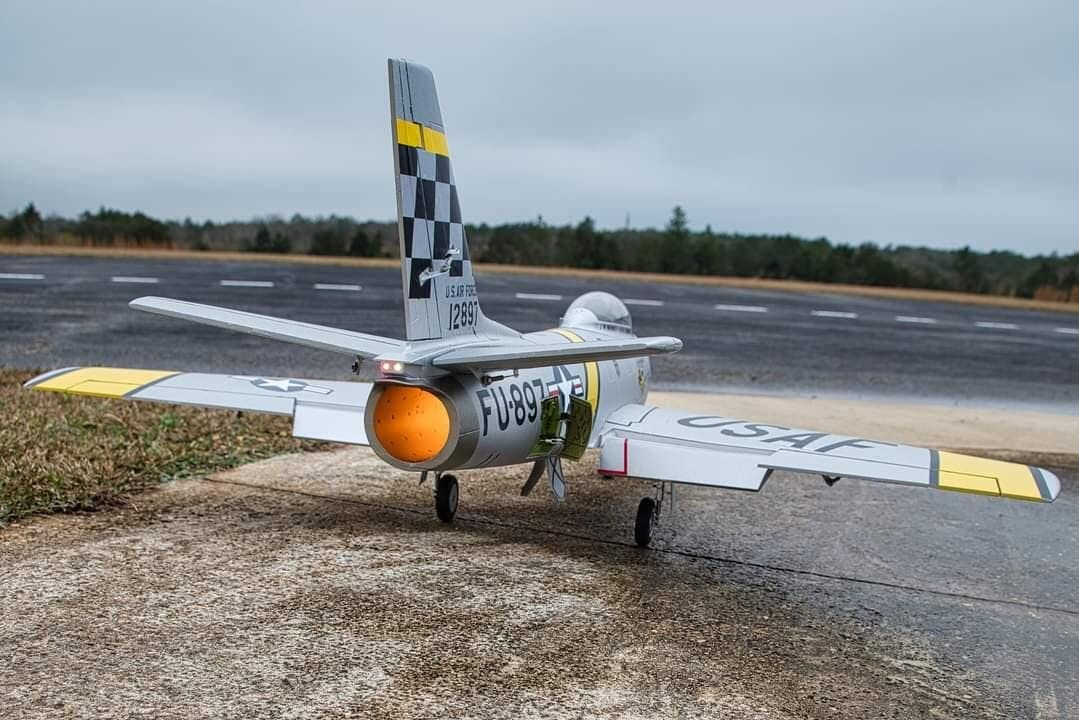
Remote control airplanes have captivated hobbyists for decades, offering an exciting blend of technology, skill, and outdoor adventure. Whether you’re a teenager looking to explore a new hobby or someone seeking an engaging way to spend weekends, RC airplanes provide endless entertainment and learning opportunities. These miniature aircraft come in various designs, from simple trainers perfect for first-time flyers to advanced aerobatic models that can perform impressive stunts.
Understanding the fundamentals of RC airplanes is essential before taking to the skies. This guide walks you through the different types of aircraft available, helping you choose the right model for your skill level and interests. We’ll also explore the critical topic of battery management, including how long you can expect to fly and the best practices for charging. With proper knowledge of these key aspects, you’ll be well-prepared to enjoy this thrilling hobby safely and successfully, maximizing your flight time while protecting your investment.
Types of RC Airplanes
Selecting the right RC airplane depends largely on your experience level and what you want to achieve in the hobby. The material construction plays a significant role in how the aircraft handles, its durability during crashes, and the overall flying experience. Three primary materials dominate the RC airplane market, each offering distinct advantages that cater to different skill levels and flying styles.
Beginners typically start with foam models because they withstand the inevitable learning curve crashes better than other materials. As pilots develop their skills, they often explore balsa wood options that provide enhanced flight characteristics and a more authentic building experience. Advanced enthusiasts may graduate to fiberglass aircraft when they’re ready for high-performance flying and want an airplane that can handle aggressive maneuvers. Understanding these material differences helps you make an informed choice that matches your current abilities while leaving room for growth. The construction material affects not just durability but also flight speed, weight distribution, and how the airplane responds to wind conditions. Your choice should balance your budget, skill level, and flying ambitions to ensure you get the most enjoyment from your RC airplane experience.
EPP Foam Airplanes
EPP (Expanded Polypropylene) foam airplanes represent the ideal entry point for newcomers to RC flying. This material absorbs impact exceptionally well, allowing the airplane to bounce back from crashes that would destroy other aircraft types. The foam’s flexibility means wings and fuselages can bend on impact rather than snap, significantly reducing repair costs during the learning phase. EPP models are ready-to-fly right out of the box, eliminating the need for complex assembly or painting.
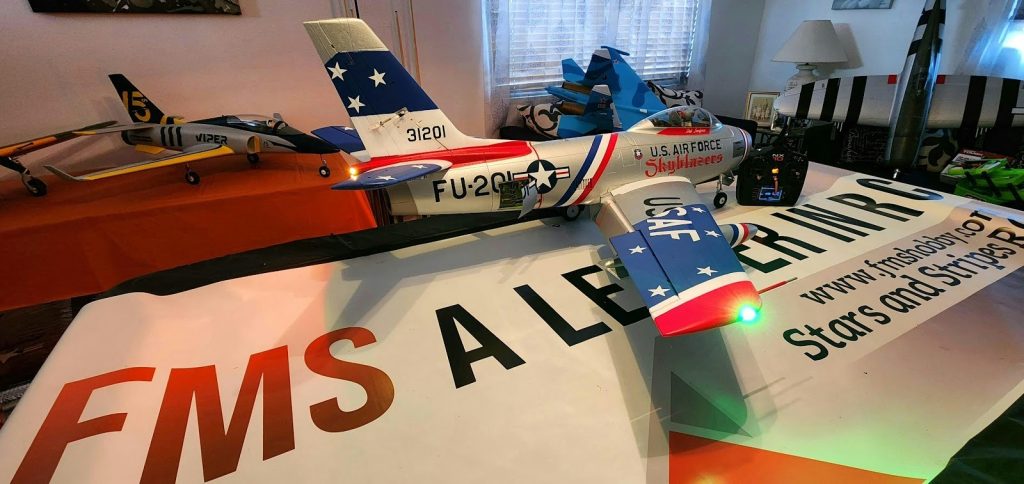
These airplanes perform well in light to moderate wind conditions and their lightweight construction makes them easy to transport to flying fields. The material keeps costs affordable, allowing beginners to invest in a quality radio system and spare batteries rather than spending heavily on the airframe itself. While EPP foam may show cosmetic wear over time, simple repairs using foam-safe glue can extend the airplane’s life considerably. The forgiving flight characteristics combined with crash resistance make EPP foam the smart choice for anyone taking their first steps into RC aviation. Many manufacturers like FMS Model produce quality EPP foam trainers that come with everything needed for new pilots to begin flying immediately.
Balsa Wood Airplanes
Balsa wood has been the traditional choice for RC airplane construction for generations, offering a perfect balance between weight and structural integrity. These aircraft deliver superior flight performance compared to foam models, with more precise control responses and better stability in varying wind conditions. Building a balsa wood airplane from a kit provides valuable hands-on experience in understanding aircraft construction, teaching you about wing design, weight distribution, and how different components work together.
The natural wood grain gives these airplanes an aesthetic appeal that many hobbyists appreciate, especially when finished with custom paint schemes. Balsa models do require more careful handling than foam alternatives since hard impacts can crack or splinter the wood structure. However, repairs are straightforward for those willing to learn basic modeling techniques using wood glue and replacement balsa sheets. These airplanes suit intermediate pilots who have mastered basic flight skills and want to deepen their engagement with the hobby through building and flying more sophisticated aircraft.
Fiberglass Airplanes
Fiberglass construction represents the premium tier of RC airplanes, designed for experienced pilots who demand maximum performance and durability. The composite material creates a rigid, aerodynamic structure that cuts through the air efficiently, enabling higher speeds and more aggressive aerobatic maneuvers than foam or wood alternatives. Fiberglass airplanes maintain their shape under stress, providing consistent flight characteristics even during extreme flying conditions.
These aircraft typically feature detailed molding that produces scale-accurate replicas of full-size planes, complete with panel lines and realistic surface textures. The material resists weather exposure better than other options, though repairs require specialized techniques using fiberglass cloth and epoxy resin. While fiberglass models command higher prices, their longevity and performance justify the investment for serious hobbyists. The smooth surface finish reduces drag, translating to longer flight times and better speed capabilities. Pilots who choose fiberglass airplanes typically have progressed beyond basic flying skills and seek aircraft capable of competition-level performance or precise scale flying demonstrations.
Understanding Battery Life and Charging
Battery performance directly determines how much time you’ll spend flying versus waiting on the ground, making it one of the most important aspects of RC airplane ownership. Modern RC aircraft rely almost exclusively on rechargeable batteries to power both the motor and control systems, with flight times typically ranging from 5 to 20 minutes depending on the battery capacity, airplane size, and flying style. Aggressive flying with full throttle maneuvers drains batteries much faster than gentle cruising flight, so your actual flight time varies based on how you fly.
Temperature also affects battery performance significantly—cold weather reduces capacity while extremely hot conditions can damage cells permanently. Most pilots invest in multiple battery packs to maximize their time at the flying field, allowing one battery to charge while flying with another. Understanding your battery’s voltage rating, capacity measured in milliamp hours (mAh), and discharge rate ensures you select the right power source for your specific airplane model. Proper battery management extends the lifespan of these essential components, saving money over time and preventing unexpected power failures mid-flight. The relationship between battery weight and flight performance requires careful consideration, as larger capacity batteries provide longer flights but add weight that can affect handling characteristics.
Battery Types
Lithium-polymer batteries, commonly called LiPo batteries, have become the standard power source for RC airplanes due to their exceptional energy-to-weight ratio. These batteries pack significant power into lightweight packages, enabling longer flight times without adding excessive weight to your aircraft. LiPo batteries come in different cell configurations, with voltage increasing as you add cells—a 2S battery provides 7.4 volts while a 3S delivers 11.1 volts, allowing you to match power output to your airplane’s requirements.
The capacity rating, measured in milliamp hours, tells you how much energy the battery stores, with higher numbers meaning longer potential flight times. Discharge rates, indicated by a “C” rating, determine how quickly the battery can safely release its stored energy to power demanding motors during takeoff and aerobatic maneuvers. While LiPo batteries offer outstanding performance, they require careful handling since physical damage or improper charging can create safety hazards. Some beginners start with nickel-metal hydride (NiMH) batteries, which are more forgiving of mistakes but significantly heavier and less powerful than LiPo alternatives for the same capacity.
Battery Charging
Charging your RC airplane batteries correctly preserves their performance and prevents potentially dangerous situations. Always use a charger specifically designed for your battery type, as LiPo batteries require balance chargers that monitor each cell individually to ensure even charging across the entire pack. Set your charger to the correct battery type and cell count before connecting anything—charging a LiPo on the wrong setting can cause permanent damage or create fire risks.
Charge batteries at a rate equal to or less than their capacity rating; for example, a 1000mAh battery should charge at 1 amp or lower for optimal longevity. Never leave charging batteries unattended, and always charge them on fireproof surfaces away from flammable materials. Allow batteries to cool for at least 15 minutes after flying before charging, and similarly, let them rest after charging before use. Store batteries at approximately 60% charge rather than fully charged or depleted when you won’t be flying for more than a few days. Check batteries regularly for swelling, damage, or unusual heat during charging, and immediately discontinue use of any battery showing these warning signs.
Ready to Take Flight
Getting started with RC airplanes opens up an exciting world of outdoor adventure and technical learning. Choosing the right airplane type for your skill level sets you up for success—EPP foam models provide the forgiving introduction beginners need, balsa wood aircraft offer intermediate pilots enhanced performance and building experience, while fiberglass planes deliver the precision and durability advanced flyers demand. Each material serves a specific purpose in your progression through the hobby.
Mastering battery management is equally important to enjoying consistent flight sessions. Understanding LiPo battery specifications, including voltage, capacity, and discharge rates, helps you select the right power source for your aircraft. Following proper charging procedures protects your investment and ensures safe operation every time you fly. Investing in multiple battery packs keeps you in the air longer during each outing. With the knowledge from this guide, you’re now equipped to make informed decisions about which RC airplane suits your needs and how to maintain your batteries for optimal performance. The sky awaits—start with the basics, practice regularly, and gradually challenge yourself as your skills develop.