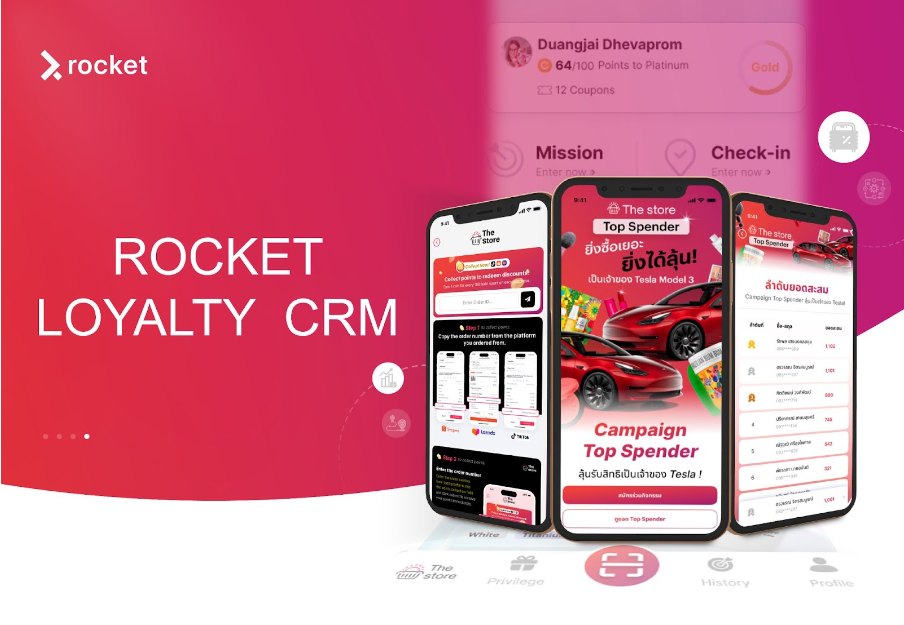
Introduction
With the current fiercely competitive business environment, managing leads properly could be the difference between success and missed opportunities. Enter CRM (Rocket CRM) systems: they help businesses continuously generate leads. They streamline lead data, automate processes and more importantly make sales pipelines visible, so that customers can actually become customers with minimal trial or loss of goodwill.
Understanding CRM and Its Role in Lead Management
CRM is designed essentially as a tool for managing interactions with current and prospective customers. But modern CRM platforms have far outstripped their initial focus on simply storing contact information. They offer the sales team a single visible history of the customer journey right through from initial contact, nurturing and conversion ensuring that no leads are seized up in cracks.
Hence sales teams have a structured way of managing their deals and bringing them through to completion. Furthermore, salespeople have a clear picture on how long different sales processes take, where they usually break down (thus how best to head off potential problems), whom they should approach next and for what sort of conversation… if any.
Centralizing Lead Data for Better Visibility
It is so hard to keep track of leads that are scattered across emails, spreadsheets, and notes – the daily life for most businesses. All information about leads is stored together in a CRM system database such as sqlserver or c-tree, breaking down hearty systems for sales reps in the field. Sales reps can instantly discover the current status of any prospect in the buying journey, the previous interactions they have had with an individual company representative, and what action is required next. Everything’s clear and well-ordered: welcome to orderliness unrestrained everywhere as we watch over our world.
This unified visibility helps teams:
- Prioritize leads based on engagement and potential value.
- Identify bottlenecks in the sales process.
- Provide a more personalized experience during follow-ups.
Automating Lead Nurturing for Efficiency
Manual routine tasks and follow-ups can slow the sales process down and cause lost opportunities. But thanks to CRM automation, companies can carry out efficient lead nurturing action flows. Sales teams don’t need to be on top of every detail; automated email campaigns, task reminders and lead scores ensure that prospects receive relevant well-timed information without requiring constant manual input from staff.
Here’s another example: let’s say that a lead downloads a free white paper or asks for a demo. At this point, the CRM can automatically generate an e-mail sequence. It is designed to keep them interested and educate them about features of your product. This consistent communication builds trust as you continue to remind the prospect that “I’m the guy you can trust” on-line. It is also a great way to make sure people think of nothing else when they finally make their purchasing determinations.
Promoting Cooperation Among Different Departments
Lead management doesn’t depend on sales alone—it involves marketing, customer support and even product lines. A CRM platform provides a central collaboration hub that enables different departments to share their insights and coordinate their strategies. Marketing can hand off only qualified prospects to sales, while support provides the context for what a customer wants or needs. This kind of visibility across functions makes for a smoother transition from lead generation to turning them into customers and beyond.
Making Data-Driven Decisions with Analytics
Leveraging analytics is another big plus of using CRM for lead management. With its in-depth reporting and dashboards, companies can keep tabs on critical performance measures including lead conversion rates, average sales cycle length and customer acquisition cost. These insights help sales managers to spot trends, refine tactics and allocate resources more efficiently.
For instance, when analytics reveal that leads coming from a particular channel have a higher conversion rate, spend more money on that channel. Similarly, if a certain sales pipeline stage consistently causes a delay in flow through the process, then take targeted steps to improve it.
Maximizing the Effectiveness of CRM: Best Practices
Here are some of the best ways for you to maximize your CRM system’s potential use in the management of leads:
- Implement a clear sales process: Draw your leads’ course out and configure the CRM to each step.
- Keep data clean: Regularly update and verify information about leads to keep it accurate.
- Teach your team properly: Maintain ongoing teaching so that everyone uses the CRM skillfully and uniformly.
- Integrate with Other Tools: Connect your CRM with automation, email, and communication platforms. Now that you’ve made it so easy to redirect work, you can create a seamless workflow.
Conclusion
In this ever changing customer world, businesses need to be looking to make the most of each stage in their sales process. Built with intelligence to strike a balance between simplicity and high-powered results, a CRM program not only makes tracking leads easy but provides into which decisions of better qualities can flourish and closing rates will rise. Integrating CRM into your lead management strategy means not only that you can more easily spot bottlenecks and lose prospects all along the way–but also both letting members of your team collaborate with each other in real time and turning more leads into long-term customers.
In short, adding Rocket CRM to your sales management is no more a choice but should become one of the necessary conditions for businesses who wish to stay ahead in today’s competitive marketplace.