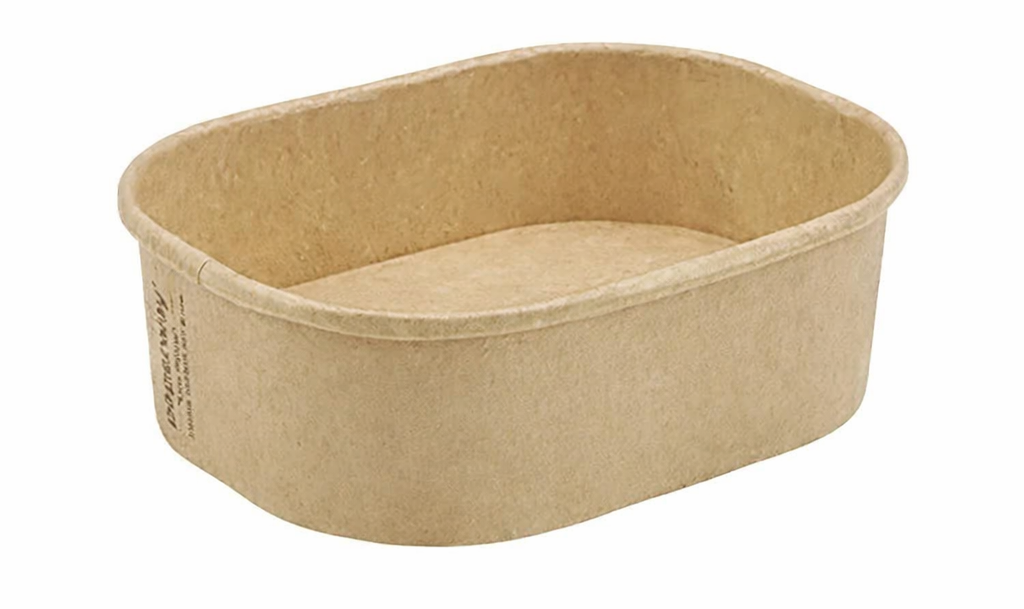
The packaging industry is experiencing a significant shift as it embraces more environmentally friendly practices. One of the most promising developments is the introduction of biodegradable food packaging. This innovative approach not only addresses environmental concerns but also meets consumer demands for sustainable packaging solutions.
Understanding Biodegradable Food Packaging
Biodegradable food packaging is designed to break down more quickly than traditional packaging materials. These products decompose through the action of micro-organisms, reducing the accumulation of waste in landfills. This type of packaging is typically made from renewable resources such as corn starch, sugarcane, and other plant-based materials.
The development of biodegradable packaging is a response to the growing awareness of the harmful impacts of plastic waste on the environment. Traditional plastics can take hundreds of years to decompose, leading to significant environmental pollution. In contrast, biodegradable packaging provides a solution that mitigates this issue, offering a promising alternative to conventional plastic.
The Benefits of Biodegradable Food Packaging
One of the primary benefits of biodegradable food packaging is its positive impact on the environment. By reducing the reliance on fossil fuels and decreasing the volume of waste, this form of packaging helps conserve natural resources and lowers carbon emissions.
Biodegradable packaging also delivers economic advantages. As the demand for sustainable packaging grows, companies investing in biodegradable options can gain a competitive edge in the market. This demand has also encouraged further innovation and research into even more effective materials and solutions.
Challenges in the Adoption of Biodegradable Packaging
While biodegradable packaging offers numerous benefits, its adoption poses certain challenges. One major hurdle is the cost of production. Currently, biodegradable materials are often more expensive to produce than traditional plastics. However, as research progresses and technology advances, these costs are expected to decrease.
Another challenge is the lack of standardisation and regulation in the industry. Without clear guidelines and regulations, it can be difficult for companies to ensure that their packaging meets the necessary environmental standards. However, as more countries recognise the need for sustainable practices, it is anticipated that comprehensive regulations will be implemented to guide manufacturers.
The Impact on Consumer Behaviour
As consumers become more informed about environmental issues, their purchasing habits are changing. There is an increasing preference for products packaged in sustainable materials, driving the demand for biodegradable options. This shift in consumer behaviour is encouraging companies to adopt more sustainable practices, reinforcing the market’s transition towards greener packaging solutions.
Educating consumers about the benefits and proper disposal of biodegradable packaging is also critical. This ensures that these materials are managed correctly at the end of their life cycle, maximising their environmental benefits.
Innovations and Future Directions
The future of biodegradable food packaging is promising, with ongoing research and development driving the industry forward. Innovations such as edible packaging, which further reduces waste by allowing consumers to eat the packaging itself, are in development.
Additionally, advances in materials science are leading to the creation of packaging that not only biodegrades faster but also offers improved barrier properties to protect and preserve food. This ongoing development suggests a future where packaging is not only sustainable but also enhances food safety and quality.
Conclusion
The shift towards biodegradable food packaging represents a critical move in the global effort to combat environmental pollution. While challenges remain, the benefits of adopting such practices are significant, aiding in waste reduction, resource conservation, and carbon footprint minimisation.
As the industry continues to innovate and address these challenges, biodegradable packaging is expected to become more accessible and cost-effective, making it a key component of the future of sustainable food packaging. Businesses, consumers, and regulatory bodies must work together to support this transformation, ensuring a cleaner, more sustainable environment for future generations.