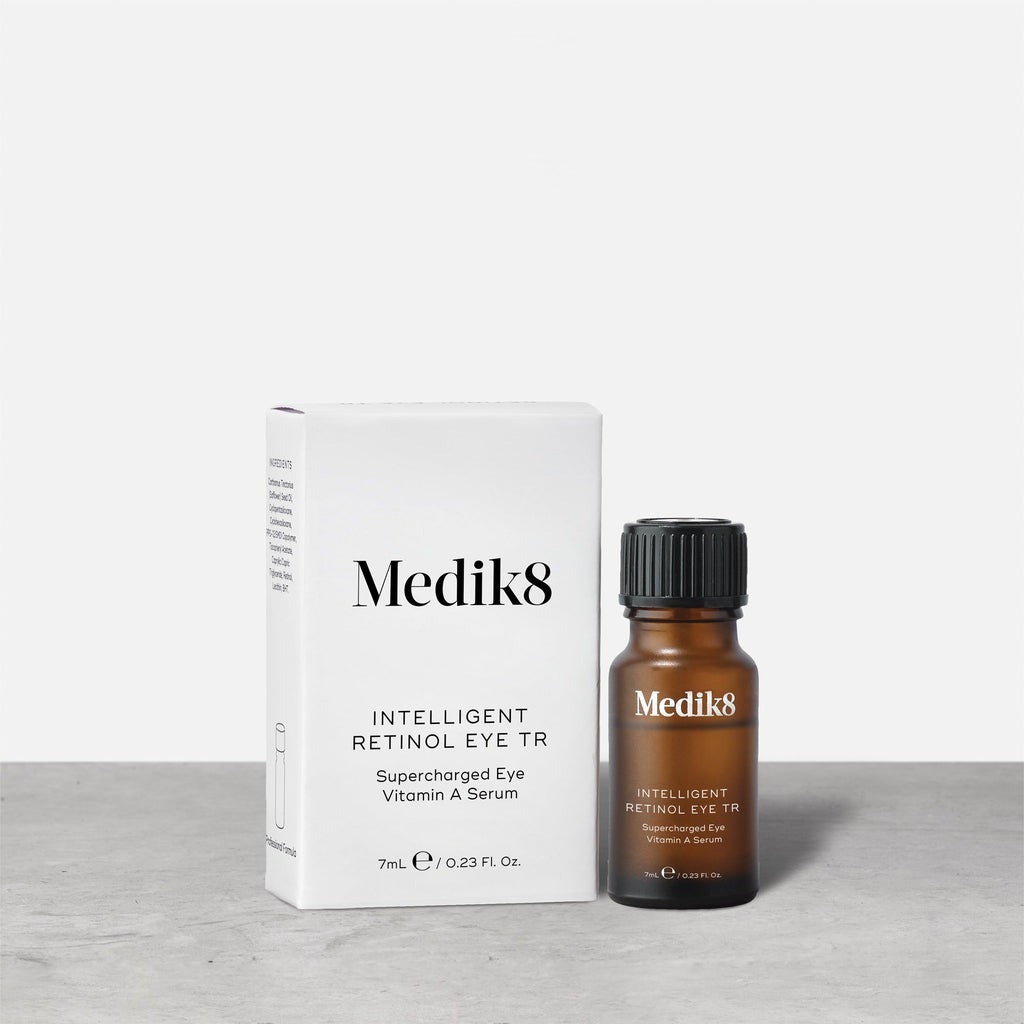
Retinol, a derivative of vitamin A, has long been celebrated for its remarkable effects on the skin, particularly in combating signs of ageing. One of the most popular and effective applications of retinol is in retinol eye cream. This product has become a staple in many skincare routines due to its potency in reducing fine lines, wrinkles, and dark circles around the eyes.
Understanding Retinol and Its Benefits
Retinol works by accelerating cell turnover, promoting the production of collagen, which results in firmer, smoother skin. Around the delicate eye area, where the skin is thinner and more prone to ageing, these benefits are particularly pronounced.
One of the main reasons retinol is favoured in eye creams is due to its ability to enhance skin texture and tone. With regular use, a retinol eye cream can diminish puffiness and lighten hyperpigmentation, leading to a more youthful and radiant appearance.
Choosing the Right Retinol Eye Cream
Selecting the right retinol eye cream requires understanding your skin type and tolerance levels. Some individuals may experience initial sensitivity when starting retinol products. It is vital to start with a lower concentration if you are new to retinol to allow your skin to adjust.
It is also important to consider the formula’s overall composition. Look for eye creams that include soothing and hydrating ingredients, such as hyaluronic acid, to counteract any potential dryness or irritation that can occur with retinol use.
Retinol Concentration and Application
When examining retinol eye creams, pay attention to the concentration of retinol included. A lower percentage (often around 0.1% to 0.3%) is ideal for beginners or those with sensitive skin, while higher concentrations may be suitable for those with more resilient skin or those who have previously acclimatised to retinol.
Application technique is equally crucial. Retinol eye cream should be applied in small amounts, using your ring finger to gently dab the product around the orbital bone, avoiding the immediate eye area to prevent irritation.
Frequency of Use
Introducing retinol into your routine should be gradual. Initially, applying the retinol eye cream once or twice a week is advisable, slowly increasing frequency as your skin builds tolerance.
Incorporating the product into your evening routine can also enhance its efficacy, as skin’s repair processes are more active overnight.
Complementary Skincare Practices
Using a sunscreen daily is essential when incorporating retinol into your skincare regimen, as retinol can increase your skin’s sensitivity to the sun. A broad-spectrum SPF will help prevent further sun damage and protect the delicate skin around your eyes.
Additionally, pairing retinol eye cream with an antioxidant-rich serum can provide synergistic benefits, enhancing both protection from environmental damage and anti-aging results.
Addressing Common Concerns
Although retinol is highly effective, some users may experience mild irritation initially. It is important to monitor your skin’s reactions and adjust use accordingly. Moisturising well and avoiding other irritating ingredients can help minimise unwanted effects.
If persistent irritation occurs, consulting with a dermatologist may be necessary to find a product and concentration suited to your skin’s needs.
Longevity and Results
The benefits of retinol eye cream are not immediate, but with consistent use, significant improvements can be observed within a few months. Firmer, smoother skin, and a reduction in fine lines, crow’s feet, and dark circles are typical results.
Maintaining a regular skincare routine with complementary products will further extend these benefits, ensuring long-term results.
Conclusion
Retinol eye cream is a powerful ally in the pursuit of youthful skin. By carefully selecting a product appropriate for your skin type and following a considered application routine, the potential for dramatically improved eye contours is within reach.
For those looking to start their journey with retinol, it is advisable to consult a dermatologist or skincare professional to tailor a regimen specifically suited to individual needs and concerns.