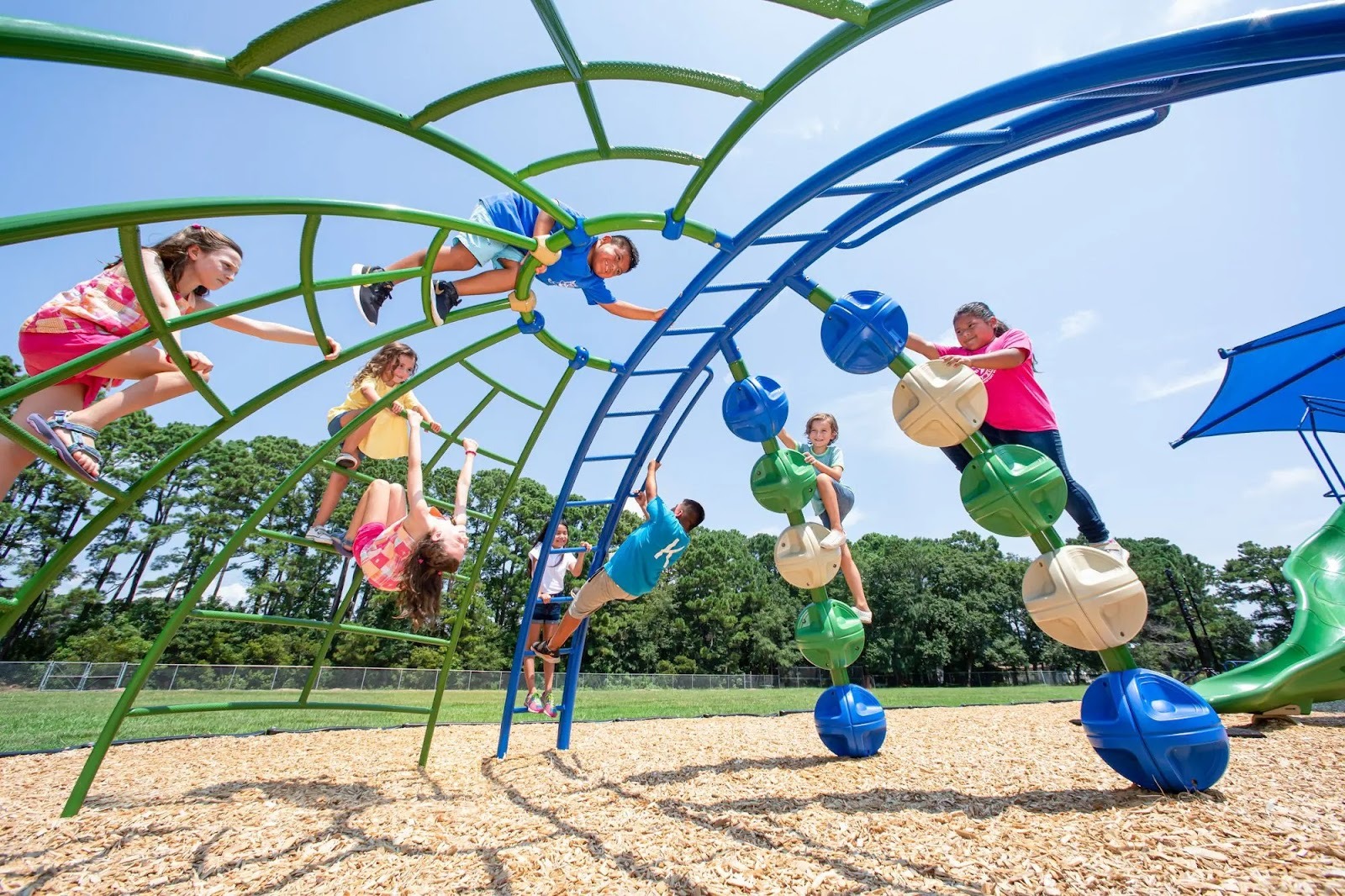
Outdoor play is an essential component of childhood development, offering numerous physical, social, and cognitive benefits. The evolution of Playground Equipment reflects a growing understanding of these benefits, with modern designs increasingly prioritising safety and inclusivity. As designers strive to cultivate environments that encourage active play, several key trends have emerged in playground equipment.
Focus on Safety Standards
Safety has always been a crucial factor in playground design. Recent advancements continue to raise the bar for safety standards. Equipment now often features softer materials and rounded edges to minimise the risk of injury. Safety surfacing, such as rubber tiles or synthetic turf, also plays a vital role in reducing impact injuries.
Additionally, the design of modern playgrounds includes clear sight lines for parents and caregivers, ensuring children can be easily supervised. This trend highlights the importance of creating an environment where children can take risks and explore freely, within a framework that minimises potential hazards.
Inclusivity and Accessibility
Inclusive playgrounds are designed to be accessible to children of all abilities, ensuring no child is left out of play. This trend emphasises the importance of creating spaces that everyone can enjoy, regardless of physical or cognitive abilities. Equipment such as wheelchair-accessible swings, inclusive merry-go-rounds, and sensory play panels are becoming common features in new playgrounds.
Developers are now more focused on incorporating equipment that caters to a wide range of needs. This creates an environment where children with disabilities can play alongside their peers, promoting social interaction and understanding.
Natural Design Elements
Integrating natural elements into playground design is another growing trend. Playgrounds that incorporate natural materials and features such as rocks, logs, and water elements provide children with a connection to the natural world. These elements encourage imaginative play and exploration, which are crucial for cognitive development.
Natural playgrounds are designed to blend seamlessly with their surroundings, creating a harmonious environment that is both educational and aesthetically pleasing. This approach fosters an appreciation for nature while providing diverse play opportunities.
Environmental Sustainability
Sustainability is increasingly becoming a consideration in playground design. Many manufacturers are now focused on producing eco-friendly equipment made from recycled materials. There is a strong emphasis on reducing the environmental impact of playgrounds by utilizing durable, sustainable products.
This trend is not only beneficial for the environment but also teaches children the importance of caring for the world around them. Playgrounds designed with sustainability in mind set a positive example of environmental stewardship for future generations.
Interactive and Technologically Integrated Play
Incorporating technology into playgrounds is a modern trend that adds an interactive element to outdoor play. Technologically integrated equipment can provide children with unique play experiences that traditional equipment may not offer. For example, playgrounds with interactive sound systems or light elements create an engaging and stimulating environment.
These advancements do not detract from physical activity but rather enhance the play experience by adding new dimensions for exploration and learning. They offer valuable opportunities for children to engage in cooperative play and problem-solving.
Customised Themed Playgrounds
Customised themed playgrounds are gaining popularity, captivating children’s imaginations and encouraging creative play. Themes can range from fantastical castles to adventurous pirate ships, providing the backdrop for endless potential stories.
These customised designs make playgrounds unique and can be tailored to suit local culture or history, thereby fostering community pride and engagement. By allowing children to immerse themselves in imaginative play, these playgrounds cater to the natural curiosity and creativity inherent in all children.
Emphasis on Physical and Social Development
Modern playgrounds are designed to support both physical and social development. Climbing structures, balance beams, and obstacle courses encourage physical activities that improve motor skills and overall fitness.
Additionally, playgrounds are often designed to facilitate social interaction, with communal areas where children can engage with peers in cooperative games. This dual focus on physical and social development ensures that playgrounds continue to play an essential role in child growth and learning.
Flexible and Modular Play Structures
Flexibility in playground design allows for structures that can be adapted to various spaces and requirements. Modular play structures that can be easily reconfigured or expanded are becoming more common, offering adaptability to changing needs or landscapes.
This trend makes it easier for communities to maintain and update playgrounds over time, ensuring that they continue to meet the evolving needs of children and the community.
Conclusion
The trends in playground equipment design reflect a better understanding of the value of play in child development. From ensuring safety and inclusivity to embracing natural and technological elements, modern playgrounds are evolving to offer rich, engaging, and versatile play environments. These developments not only enhance the play experience but also contribute positively to the growth and development of children, ensuring that playgrounds remain a vital part of their formative years.