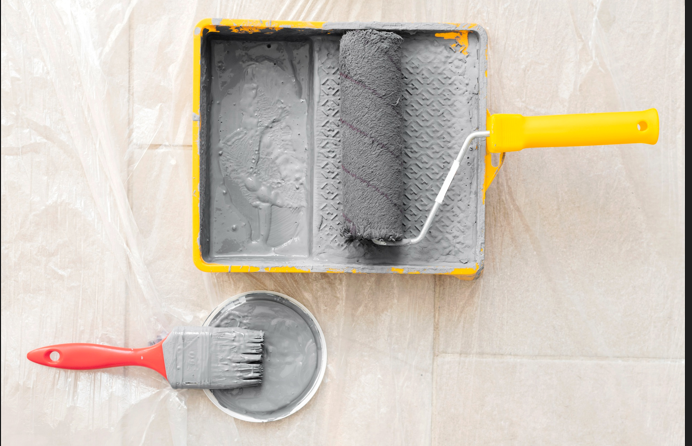
Concrete surfaces are renowned for their durability and versatile applications in both residential and commercial settings. However, over time, these surfaces can appear dull and unattractive. A solution to revitalize your surfaces is by applying high-quality concrete paint. Not only does it enhance the aesthetic appeal of concrete, but it also provides a protective layer.
Incorporating the right paint solution can significantly transform the appearance of driveways, patios, and garage floors. It is essential to choose specific paint designed for concrete as it must withstand various environmental elements such as moisture and heavy foot traffic.
Benefits of Using Concrete Paint
Concrete paint offers several advantages that go beyond mere appearance. Firstly, it serves as a protective barrier against damage from water, oils, and other chemicals. This increases the longevity of the surface and reduces maintenance costs over time.
In addition, painted surfaces are easier to clean. Unlike bare concrete, a painted surface does not allow dirt and grime to embed deeply within its pores, making sweeping or washing a quicker task.
Choosing the Right Concrete Paint
When selecting concrete paint, it is imperative to understand the distinctions between various types available. Some paints are specifically formulated to work best in outdoor settings where UV resistance is paramount, while others might be more suited for indoor use where foot traffic is less intense.
Also, one should consider whether a sealer is required post-painting. Sealers can extend the life of the paint and provide additional protection against environmental factors.
Application Tips for Optimal Results
Proper application is crucial for ensuring longevity and durability of the painted surface. Start by thoroughly cleaning the concrete to remove any existing dirt, old paint, or grease. A clean base ensures better adherence of the paint.
Next, fill in any cracks or imperfections with a concrete filler that hardens quickly, smoothing out the surface for uniform paint application. Apply a primer if necessary, as this provides a better bond between the concrete and the paint.
Tools and Techniques
Use the best tools for the job — such as rollers for larger areas and brushes for corners and edges. Applying two coats of paint, allowing each to dry thoroughly in between, is a common recommendation for achieving the best finish.
Exploring Colour and Finish Options
Concrete paint comes in a myriad of colours and finishes, allowing for significant customisation. From matte to high gloss finishes, you can tailor your concrete surfaces to match any aesthetic or functional need.
For outdoor areas, lighter colours can help with heat reflection, making spaces cooler, whereas, for indoor entertainment areas, richer hues can create a more inviting atmosphere.
Maintaining Painted Concrete Surfaces
Maintaining painted concrete surfaces is relatively simple. Routine cleaning with mild soap and water is typically sufficient to keep the paint vibrant. It’s important to attend to any chips or cracks in the paint as soon as they appear, preventing further damage.
Additionally, it is advisable to apply a fresh coat of paint or sealer every few years, depending on the level of wear and tear, to maintain the surface’s appearance and protective qualities.
Environmental Considerations
Many modern concrete paints offer environmentally friendly options with low volatile organic compounds (VOCs). These are less harmful to the environment and more pleasant to use, making them ideal for those looking to minimise their carbon footprint.
When applying paint, ensure adequate ventilation, especially when working indoors, to protect the health of those applying the product.
Conclusion
In conclusion, using concrete paint to transform your surfaces is an effective way to enhance both the aesthetics and functionality of concrete areas. By choosing the right products and applying them correctly, one can enjoy durable and attractive surfaces for many years.