Introduction
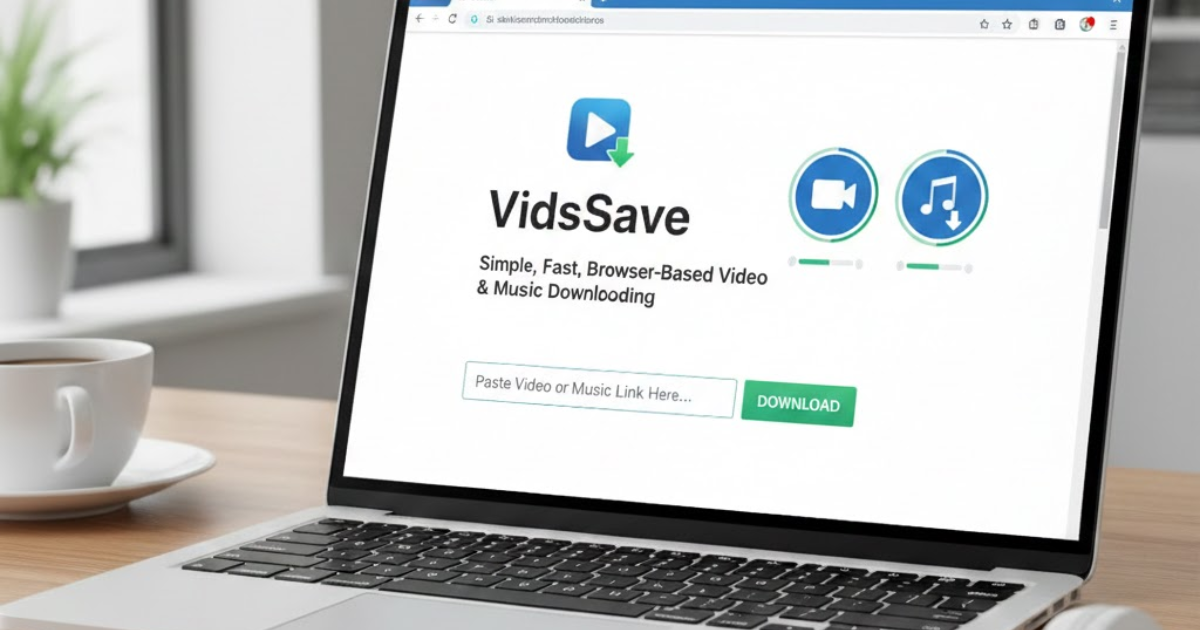
In an era when video and audio content dominate online experiences, having a reliable way to save media for offline viewing is invaluable. VidsSave is an online video and music downloader designed to simplify the process of saving content from a wide range of websites. It works in any modern browser, requires no installation or account creation, and supports numerous platforms including YouTube, Instagram, Facebook, Twitter (X), TikTok, and more.
This article explains how VidsSave works, its key features and benefits, common use cases, and important legal and safety considerations.
What VidsSave Does and How to Get Started
VidsSave is a web-based service that turns a shared video link into downloadable files in formats such as MP4 (video) or MP3 (audio). To use VidsSave, copy the video link from the source website, paste it into VidsSave’s input box, let the service parse the media, and choose the quality and format for download.
This process makes VidsSave an accessible option for anyone who needs a quick and device-agnostic solution. Because the service is browser-based and does not require users to install third-party software, it avoids many of the risks and complexities associated with desktop or mobile apps. For users searching for a straightforward x video downloader solution, VidsSave provides an intuitive, link-based workflow that gets the job done without unnecessary steps.
Key Features That Make VidsSave Useful
VidsSave focuses on simplicity and reach. Important features include multi-platform compatibility, support for a variety of output formats and resolutions, and the ability to work on mobile and desktop browsers alike. Users can choose between different video resolutions (where available) and extract audio-only files if they prefer MP3s for music or podcast segments.
There’s no requirement to sign in, which keeps the workflow quick and reduces privacy exposure. Additionally, because VidsSave operates via link parsing, it can often retrieve files even when a platform’s native UI makes direct downloading cumbersome.
Practical Use Cases for Different Users
Different user groups find different values in a downloader like VidsSave. Students and lifelong learners can save tutorials, lectures, or demonstration videos for offline study. Commuters and travelers may prefer to download music videos or long-form content to avoid streaming while mobile.
Content creators and social media managers sometimes need to archive or reference videos from public accounts. Journalists and researchers may preserve news clips or public statements for later review. In all these scenarios, the ability to choose format and quality and to operate from any browser makes VidsSave particularly versatile.
How to Download Facebook Content Quickly
Downloading videos from Facebook is a common need — whether you want to save a public post, a page’s clip, or a replay of a public live video. With VidsSave, the process is straightforward: copy the Facebook post’s share link, paste it into VidsSave’s input field, let the service analyze the link, and then select the available download options.
This approach makes it convenient to perform a facebook video download without logging into Facebook in the downloader or installing extra software. Because the tool presents quality choices and file formatting options, you can save the video at the resolution that best fits your device storage and viewing preferences.
Security, Privacy, and Best Practices
VidsSave’s design—working from links without asking for account credentials—reduces the exposure of login data and minimizes the risk that often accompanies third-party software installations. However, users should still follow safe practices: avoid downloading from suspicious sites, do not provide account logins to any downloader, and keep devices updated to reduce security vulnerabilities.
Also, when using a public or shared device, ensure downloaded files are handled securely and cleared if necessary. Finally, while VidsSave simplifies downloads, users should be aware of the potential presence of ads on download pages; using an up-to-date browser with built-in protections helps ensure a safer experience.
Legal and Ethical Considerations When Saving Media
Downloading publicly available media for offline personal use is commonly practiced, but creators’ rights and platform terms should guide how downloaded files are used. Avoid redistributing downloaded videos without permission, and don’t use copyrighted content commercially without explicit licensing.
Some content may be private, geo-restricted, or protected by platform policies; VidsSave can only process links that the service can access. If you plan to republish or monetize someone else’s content, reach out to the content owner and obtain the necessary rights. Respecting intellectual property and attribution norms keeps the use of downloaders like VidsSave both ethical and legally sound.
Conclusion
VidsSave offers a pragmatic, browser-based method to download videos and audio from many of the major online platforms. Its strengths lie in ease of use, device compatibility, and flexibility in output formats and quality — all without requiring installation or account credentials. These qualities make it a helpful tool for students, professionals, travelers, and casual users who need offline access to media.
That said, responsible usage is essential: always obey copyright laws, respect creators’ rights, and use downloaded content ethically. When used carefully, VidsSave can be a valuable addition to your toolkit for managing and enjoying digital media offline.