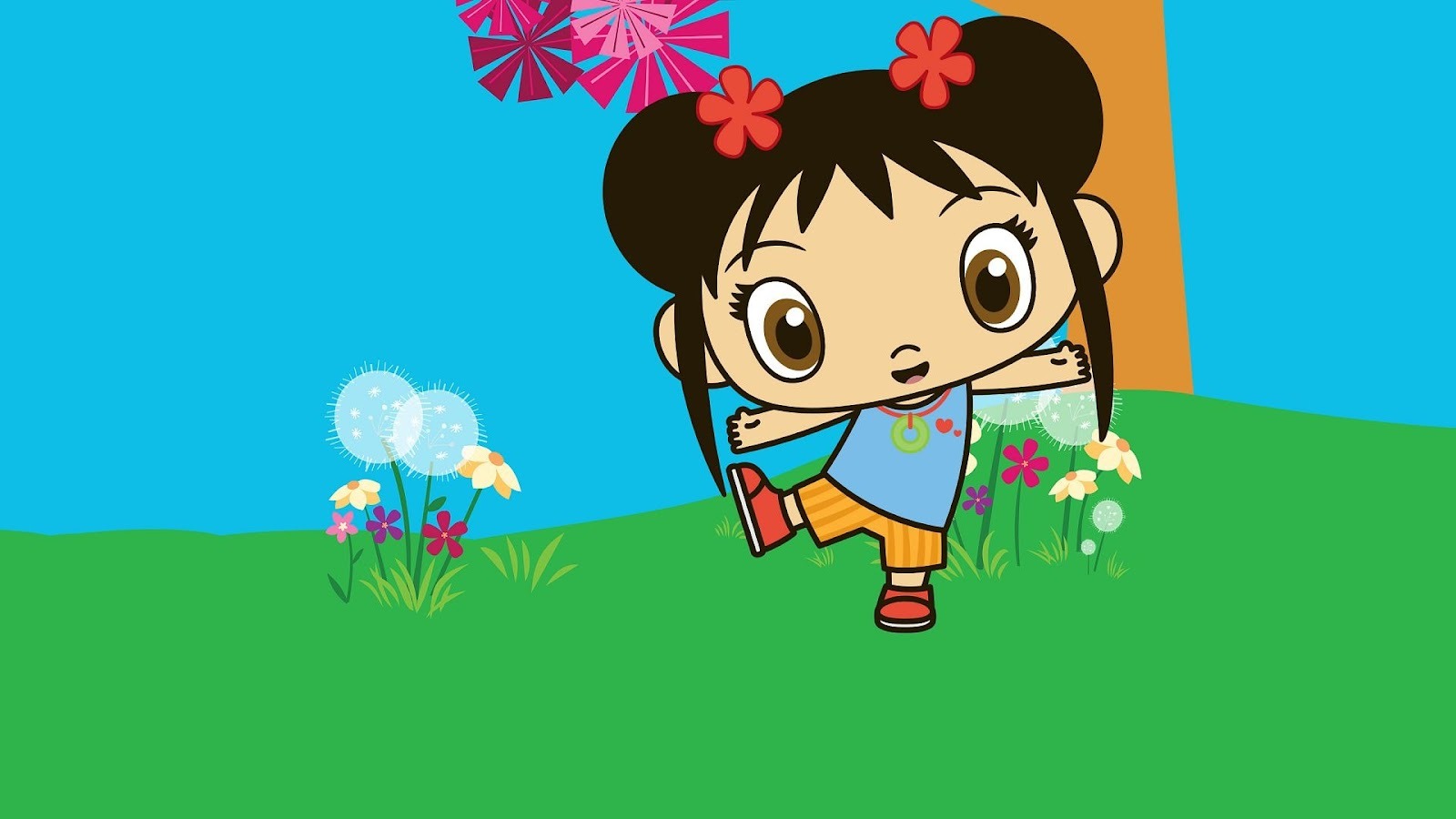
People who learn Mandarin online or study with an online Chinese teacher meet many references to children’s programs, since these shows shape early vocabulary for many families. Cartoons produced in China follow patterns that differ in pacing, character behavior, and the way simple lessons appear in each episode. Writers for programs tend to use clear dialogue with steady rhythm. Scenes move at a moderate pace so young viewers can follow the story without difficulty. Characters act in predictable ways that match their role in the storyline, which helps children recognize patterns of speech and behavior, and music marks the start of small conflicts or light-hearted moments, and sound effects guide attention toward actions important for understanding the plot…
Humor in these shows relies on gentle exaggeration rather than abrupt surprise. Characters may misplace an object, misunderstand a comment, or attempt a task that does not go as planned. These situations lead to mild amusement while keeping the atmosphere friendly. The aim is to create a setting where young viewers feel comfortable, and where the resolution of a misunderstanding remains clear and simple.
Another important feature is the presence of short moral instructions woven into the plot. A character may act without thinking and then realize the effect on others. The program presents this outcome without harsh consequence. The goal is to show how cooperation or patience helps resolve small issues. This approach suits the viewing habits of children who watch these programs with family members during breaks or in the evening. A suitable place to mention Chinese teaching institutions such as GoEast Mandarin appears here. Teachers at the school sometimes refer to well-known children’s shows because the language used in them is clear and steady. Short clips or transcripts help students understand how basic expressions function in natural conversation. Cartoons serve as practical examples when explaining beginner vocabulary or simple sentence structures.
Also, the choice of colors also reflects regional habits, as backgrounds in Chinese cartoons favor softer tones rather than sharp contrasts. Characters usually have rounder outlines, which produces a calm visual style. Scenes depicting houses, parks, and schools rely on recognizable details so young viewers can match what they see in the program with familiar places in real life.
These features result from steady cooperation among writers, animators, parents, and teachers in the broader environment. The outcome is a group of shows that place gentle humor, steady pacing, and clear speech at the center of each episode. This approach allows children to follow stories with ease while gaining familiarity with spoken language used in simple, structured settings.