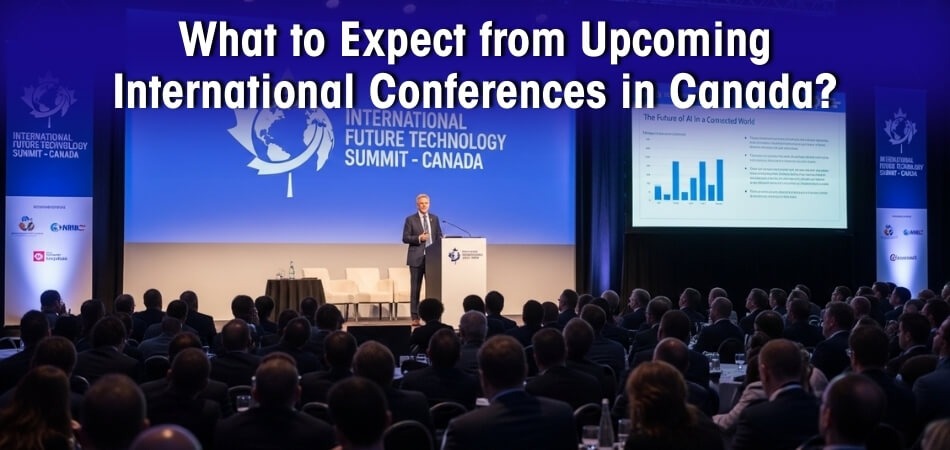
Canada has become a global meeting point for ideas, research, and innovation. Every year, professionals, researchers, entrepreneurs, and students travel to Canadian cities to attend world-class conferences. If you are thinking about what to expect from upcoming international conferences in Canada, you are not alone. Many attendees look forward to learning opportunities, new partnerships, and insights into emerging global trends.
These conferences offer networking opportunities, expert keynote talks, research presentations, and hands-on workshops across many industries. Participants also experience multicultural discussions and technology-driven event formats that encourage collaboration and learning. Keep reading this article to find the opportunities, preparation tips, and hidden benefits waiting at upcoming conferences in Canada.
Types of International Conferences Being Held in Canada (Quick Overview)
Canada hosts a wide range of international conferences across multiple industries and academic fields. These events bring together professionals, researchers, policymakers, and innovators from around the world to share insights and collaborate on global challenges.
Below is a quick overview of the most common types of international conferences held in Canada.
| Conference Type | Main Focus | Common Host Cities |
| Academic & Research Conferences | Presentation of research papers, scholarly discussions, and peer collaboration | Montreal, Toronto, Ottawa |
| Technology & AI Conferences | Innovations in artificial intelligence, software, data science, and cybersecurity | Toronto, Vancouver |
| Medical & Healthcare Conferences | Medical research, healthcare policy, clinical innovations | Toronto, Vancouver, Calgary |
| Business & Entrepreneurship Conferences | Leadership, finance, startups, and investment opportunities | Toronto, Vancouver |
| Engineering & Energy Conferences | Infrastructure, sustainable energy, and industrial engineering | Calgary, Edmonton |
| Education & Social Sciences Conferences | Teaching methods, social research, and global education trends | Ottawa, Montreal |
What to Expect From Upcoming International Conferences in Canada?
International conferences in Canada typically feature global networking opportunities, expert keynote speeches, research presentations, interactive workshops, and cross-industry collaboration. Attendees can expect multicultural participation, hybrid event experiences, and opportunities to connect with researchers, business leaders, and innovators from around the world.
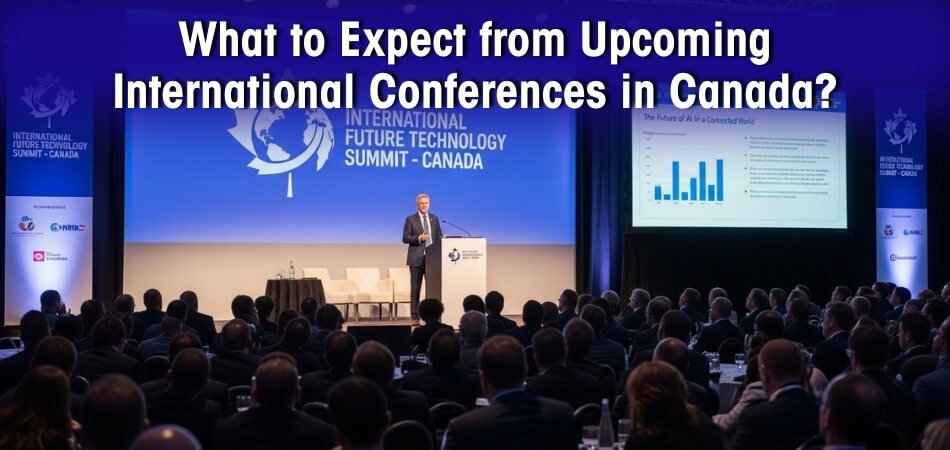
The goal of international conferences held in various Canadian cities is to unite global knowledge, creativity, and cooperation. Whether you are an academic researcher, industry professional, entrepreneur, or student, these events create an environment where ideas develop into partnerships, research collaborations, and new professional opportunities.
Below are the key experiences you can expect when attending these conferences.
Global Networking Opportunities
One of the most valuable aspects of attending upcoming international conferences in Canada is the opportunity to connect with professionals from around the world. These events attract participants from academia, industry, government, and startup ecosystems.
Networking opportunities often occur during:
- Coffee breaks and informal meetups
- Dedicated networking sessions
- Panel discussions and roundtable conversations
- Evening receptions and social gatherings
These interactions frequently lead to research collaborations, career opportunities, and international partnerships that continue long after the conference ends.
High-Quality Keynotes and Expert Panels
Global conferences hosted in Canada are well known for their influential keynote speakers and expert panel discussions.
Keynote presentations usually focus on:
- Emerging industry trends
- Breakthrough research and innovations
- Global challenges and future opportunities
In addition to keynote speeches, panel discussions bring together multiple experts who share diverse perspectives on important topics across technology, healthcare, business, education, and sustainability. These sessions give attendees valuable insights from leaders shaping global industries.
Research Presentations and Knowledge Sharing
Many international academic and professional conferences include research presentation sessions where participants share new findings and innovative ideas.
Common presentation formats include:
- Oral research paper presentations
- Poster sessions showcasing ongoing research
- Case study discussions
- Peer feedback sessions with subject-matter experts
These sessions allow researchers and professionals to receive feedback, exchange ideas, and build collaborations with experts in similar fields.
Interactive Workshops and Skill-Building Sessions
Beyond presentations and discussions, conferences frequently include hands-on workshops that help participants develop practical skills.
Workshops often feature:
- Technical training sessions
- Real-life case studies
- Research methodology discussions
- Product or technology demonstrations
- Problem-solving activities
These interactive sessions allow attendees to gain deeper knowledge while applying new techniques relevant to their field.
Diverse Conference Themes and Industries
Canada hosts international conferences across a wide range of industries and academic disciplines. This diversity attracts participants from many professional backgrounds.
Common conference themes include:
- Artificial Intelligence and emerging technologies
- Healthcare and medical innovation
- Business leadership and entrepreneurship
- Engineering and sustainable energy
- Education and social sciences
Because of this wide range of topics, attendees can choose conferences that closely align with their professional goals or research interests.
Multicultural and International Environment
Canada’s multicultural society makes it an ideal location for global conferences. Participants often represent dozens of countries, creating an inclusive and internationally diverse environment.
This diversity encourages meaningful discussions and broader perspectives on global challenges. Attendees gain insights into how different regions approach issues in business, technology, healthcare, education, and policy.
For many participants, the cultural exchange becomes one of the most rewarding aspects of the conference experience.
Hybrid and Technology-Driven Event Experiences
Modern conferences in Canada increasingly adopt hybrid event formats, combining in-person and virtual participation.
These digital features often include:
- Virtual networking rooms
- Live-streamed keynote sessions
- Interactive Q&A platforms
- Online discussion forums and collaboration tools
Hybrid conferences make international events more accessible for global participants and allow attendees to engage with content even if they cannot travel.
Participants Gain Most From Upcoming International Conferences in Canada
International conferences in Canada attract professionals seeking learning, networking, and global exposure. Different participants benefit in unique ways depending on their goals, experience level, and industry interests. Continue reading to explore who gains the most.
- Researchers and academics gain opportunities to present research, receive expert feedback, discover collaboration possibilities, and stay updated on global developments within their specialized academic or scientific fields.
- Graduate students and early career professionals benefit from mentorship, exposure to global research communities, and access to industry insights that help shape future career paths and research directions.
- Entrepreneurs and startup founders gain valuable exposure to international markets, potential investors, innovation partners, and emerging business trends that can help scale ventures and expand global networks.
- Corporate professionals and executives benefit from strategic insights, leadership discussions, and industry innovations that support decision-making, professional development, and competitive advantage within global markets.
- Policy makers and industry experts gain perspectives from global discussions, enabling them to understand emerging challenges, policy developments, and collaborative solutions across international sectors and industries.
Practical Expectations Before Attending
Planning ahead helps attendees prepare for registration, travel arrangements, documentation, and scheduling when attending international conferences in Canada. Below are the key practical considerations to review before attending.
Registration and Early Bird Tickets
Many conferences offer early bird registration discounts for participants who register early. Early registration reduces costs and secures access to limited workshops, keynote sessions, and networking events.
Visa, eTA, and Invitation Letters
International attendees may require a visa or electronic travel authorization depending on their nationality. Many conference organizers provide invitation letters that help support visa applications and travel documentation.
Travel and Accommodation Planning
Booking flights and accommodation early can help reduce travel costs and ensure convenient access to conference venues. Staying close to the venue also makes networking and session attendance easier.
Budget and Expense Preparation
Attendees should plan their budget in advance by considering conference registration fees, travel expenses, accommodation costs, meals, and local transportation during the event.
Reviewing the Conference Agenda
Checking the conference schedule before arrival helps participants identify important sessions, keynote speeches, and workshops that match their interests and professional goals.
Costs and Budget Planning – Is It the Most Critical Task of Canadian Conference Planning?
Yes, cost and budget planning are one of the most critical tasks when preparing for international conferences in Canada. Proper financial planning helps organizers and attendees manage registration fees, travel expenses, accommodation costs, and event logistics efficiently. A well-structured budget ensures that conferences hosted in Canadian cities such as Toronto, Vancouver, or Montreal run smoothly while remaining accessible to international participants.
Because conferences often involve international travel, venue bookings, technology services, and networking events, budgeting early helps avoid unexpected costs and ensures better financial control.
Why Budget Planning Matters for Conferences in Canada
Planning the budget early allows organizers and participants to make informed decisions about travel, accommodation, and event participation.
Key reasons budget planning is essential include:
- Managing conference registration costs
- Planning international travel and accommodation expenses
- Allocating funds for venues, speakers, and event technology
- Preventing last-minute financial challenges
- Ensuring efficient resource allocation for large-scale events
Effective budgeting helps conference organizers maintain quality while keeping events affordable for global participants.
Typical Cost Categories for International Conferences in Canada
Below is a quick overview of the most common expenses associated with attending or organizing international conferences in Canada.
| Cost Category | What It Includes | Budget Planning Tip |
| Conference Registration | Event access, workshops, keynote sessions | Register early to benefit from early-bird discounts |
| Travel and Airfare | International flights and airport transfers | Book flights several months in advance |
| Accommodation | Hotels near conference venues | Choose hotels offering conference partner rates |
| Local Transportation | Public transit, taxis, ride-sharing | Research city transportation passes |
| Meals and Networking Events | Conference dinners, social events | Check if meals are included in registration |
| Technology and Materials | Virtual platforms, presentation materials | Allocate funds for digital conference tools |
Budget Planning Tips for International Conference Attendees
If you plan to attend upcoming international conferences in Canada, consider the following budgeting strategies:
- Register during early-bird periods to reduce fees
- Compare accommodation options near the venue
- Use public transportation where available
- Look for student or academic discounts
- Plan your travel itinerary early to secure lower airfare
These strategies help participants reduce overall costs while maximizing the value of attending international events.
Hidden Benefits Most Canadian International Conferences Attendees Don’t Expect
Use this section to identify the strategic advantages that experienced professionals gain from international conferences in Canada beyond presentations and keynote sessions. These often create long-term impact. Continue reading to explore how.

Career Acceleration Opportunities
- Direct access to hiring managers, research supervisors, and corporate decision makers who attend Canadian conferences specifically to scout talent and explore emerging expertise.
- Informal discussions frequently turn into job interviews, consulting inquiries, advisory roles, or invitations to apply for research fellowships and funded projects.
Strategic Research Collaborations
- Cross-institutional conversations often result in co-authored publications, shared datasets, joint grant proposals, or multi-country research partnerships.
- Specialized niche sessions allow researchers to connect with experts working on similar problems, accelerating knowledge exchange and reducing duplication of effort.
Publishing and Academic Visibility
- Conference proceedings and affiliated journals provide structured pathways for publication, increasing academic visibility and citation potential.
- Editors and program chairs often identify high-quality research during sessions and invite submissions to special issues or collaborative volumes.
Business and Startup Expansion
- Investor attendance at technology and business conferences creates opportunities for startup founders to secure seed funding or pilot partnerships.
- Industry exhibitions enable companies to test product reception, gather feedback, and form distribution or licensing agreements in new markets.
Policy and Institutional Influence
- Conferences hosted in major Canadian cities often attract policymakers, regulators, and institutional leaders who influence funding priorities and industry standards.
- Strategic conversations can position participants as contributors to advisory boards, working groups, or future policy consultations.
High Value Informal Exchanges
- Hallway discussions, post session Q and A moments, and social networking receptions often produce more actionable insights than structured presentations.
- Many long-term collaborations begin from short, informal conversations rather than scheduled business meetings.
Concluding Lines
There is more to international conferences in Canada than just scheduled sessions. They create spaces where ideas, research, and business perspectives meet. From networking and expert panels to workshops and collaborative discussions, these events help participants grow professionally and expand their global connections. Understanding what to expect from upcoming international conferences in Canada? allows attendees to prepare better and make the most of learning, partnerships, and career opportunities available during these events.
By planning ahead, managing costs, and actively participating in discussions and networking moments, attendees can unlock both visible and hidden benefits. Whether you are a researcher, entrepreneur, student, or industry professional, these conferences provide valuable experiences that support long-term knowledge sharing, innovation, and international collaboration.