
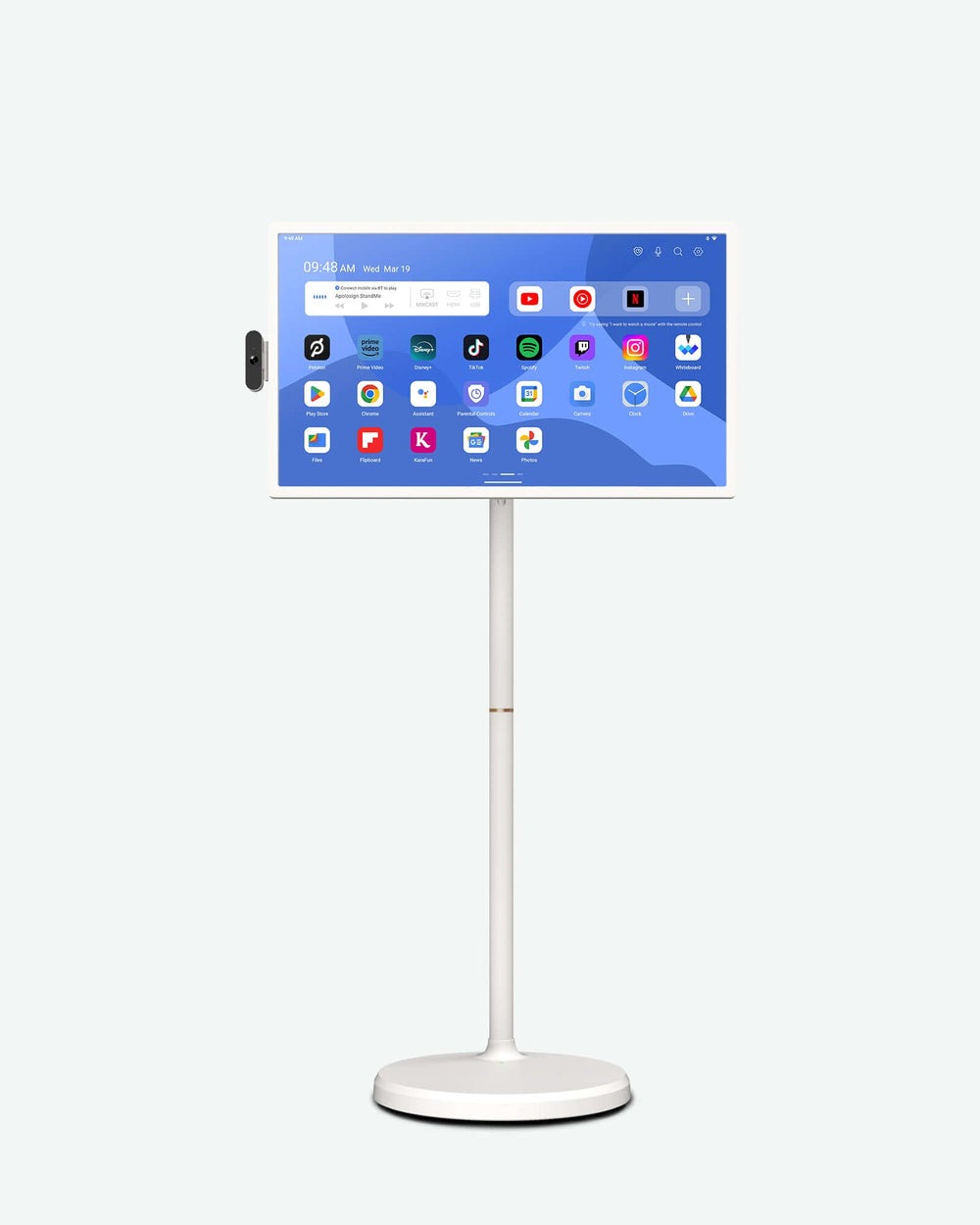
Modern families are constantly searching for ways to bring everyone together in our increasingly busy world. While technology often gets blamed for pulling us apart, portable touch screen TVs are emerging as powerful tools that can actually strengthen family bonds. These versatile devices offer the flexibility to create shared experiences anywhere in your home, from movie nights in the bedroom to educational activities in the kitchen.
Unlike traditional fixed televisions that anchor entertainment to one room, portable screens adapt to your family’s lifestyle, moving seamlessly between spaces as your needs change throughout the day. They provide opportunities for collaborative learning, interactive games, and quality time that fits naturally into your routine.
Whether you’re managing household schedules, entertaining young children during meal prep, or creating cozy viewing experiences in unexpected places, portable screen technology offers practical solutions that enhance rather than disrupt family life. This guide explores how these innovative devices can transform your daily routines and create more meaningful connections with the people who matter most.
Introduction to Portable Touch Screen TVs
Portable touch screen TVs are compact, battery-powered displays that combine the functionality of tablets with the viewing experience of traditional televisions. These devices typically range from 10 to 17 inches, making them light enough to carry from room to room while still providing a comfortable viewing size for small groups.
They feature built-in rechargeable batteries that deliver several hours of continuous use, wireless connectivity for streaming content, and responsive touch interfaces that make navigation intuitive for all ages. Many models include adjustable stands, built-in speakers, and compatibility with popular streaming services, eliminating the need for additional equipment. The portability factor means you’re no longer confined to a single entertainment space, allowing families to enjoy content in bedrooms, kitchens, backyards, or even during travel, creating flexibility that traditional wall-mounted screens simply cannot match.
The Benefits of Portable Screen Technology for Families
Portable touch screen TVs revolutionize how families interact by bringing entertainment and learning opportunities to any location. They eliminate arguments over the main TV by allowing different family members to enjoy content in separate spaces while maintaining proximity for supervision. Parents can keep children engaged with educational programs or quiet activities during important tasks like cooking or working from home, positioning the screen within sight for monitoring. These devices foster collaborative experiences through interactive apps and games that encourage teamwork and communication between siblings or parents and children.
The touch interface makes technology accessible to younger children who haven’t mastered remote controls, promoting independence and confidence. During family gatherings, portable screens serve multiple purposes—displaying recipes in the kitchen, entertaining kids in play areas, or showing photos to relatives in the living room. Their wireless capabilities mean quick setup without cable clutter, while battery operation enables outdoor movie nights, camping entertainment, or distraction-free viewing during power outages. The flexibility to create personalized viewing environments in cozy corners, bedrooms, or even bathrooms during bath time transforms ordinary moments into special family memories without the commitment and expense of installing multiple fixed televisions throughout your home.
How Portable Touch Screen TVs Support Family Management
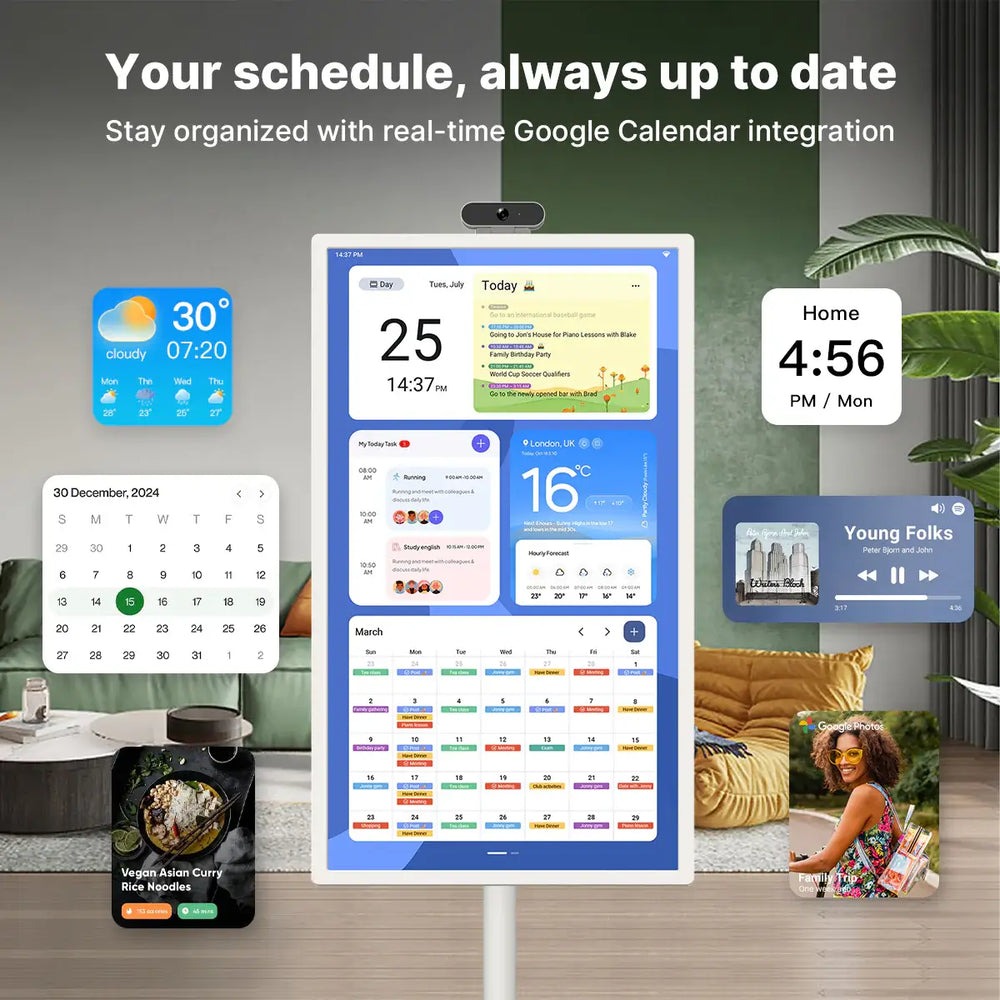
Beyond entertainment, portable screens become practical management tools that streamline daily family operations. Parents can display shared digital calendars in central locations like kitchens or entryways, keeping everyone informed about appointments, activities, and responsibilities without constant verbal reminders. During meal planning, these devices provide easy access to recipes and cooking tutorials right at counter level, eliminating the need to juggle phones with messy hands.
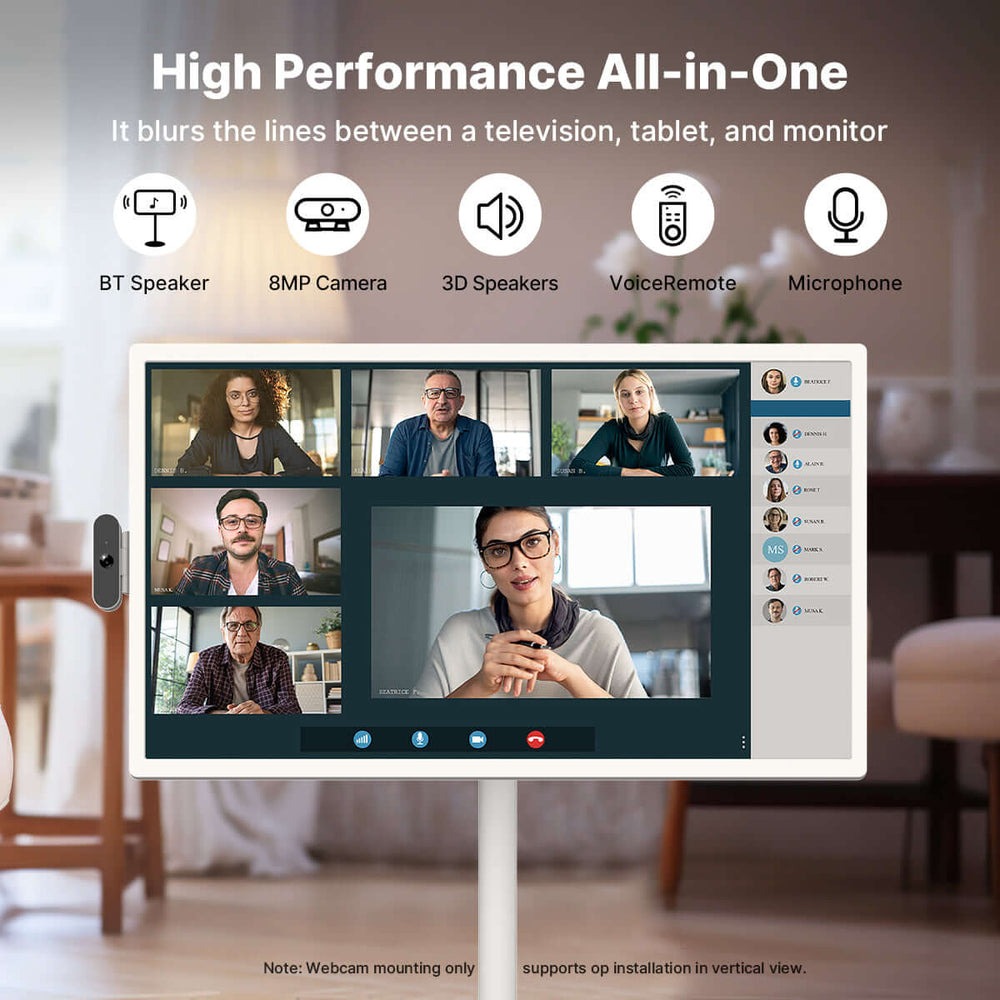
They serve as homework stations where children can access educational videos, research materials, and interactive learning apps in comfortable study spaces rather than being isolated at desktop computers. Video calling capabilities transform portable screens into communication hubs for connecting with distant relatives, allowing grandparents to participate in bedtime stories or family celebrations regardless of location. For households managing children with different schedules, portable screens help coordinate morning routines by displaying timers, weather updates, and transportation information in bedrooms or bathrooms where family members are getting ready. The ability to quickly relocate these devices means adapting to changing needs throughout the day—from displaying chore charts during breakfast to providing background music during cleanup—making household management more visual, organized, and collaborative for everyone involved.
Top Picks for Portable Touch Screen TVs
When selecting a portable touch screen TV for your family, consider devices that balance screen size with true portability—models between 13 and 15.6 inches offer optimal viewing without excessive weight. Look for units with at least 1080p resolution to ensure clear images for both entertainment and educational content, as lower resolutions can strain eyes during extended use. Battery life is crucial; prioritize models offering four to six hours of continuous playback to support full movie experiences or afternoon activities without constant recharging.
Built-in stands with multiple angle adjustments provide versatility for different viewing scenarios, from flat-table positioning for interactive games to upright placement for video calls. Ensure your chosen device supports major streaming platforms and has robust wireless connectivity, including both WiFi and Bluetooth for connecting headphones or external speakers. Durability matters for family use, so consider models with reinforced corners or protective cases, especially if young children will handle the device. Storage capacity affects how much downloaded content you can access offline—useful for travel or areas with unreliable internet. Some models include HDMI inputs for connecting gaming consoles or laptops, expanding functionality beyond streaming. Brands like ApoloSign offer options that combine these essential features with family-friendly designs, making it easier to find devices suited for household use. Compare speaker quality, as built-in audio varies significantly between models, with some requiring external speakers for satisfactory sound in larger spaces.
Setting Up and Using Your Portable Screen TV
Getting started with your portable touch screen TV requires minimal effort but thoughtful placement decisions. Begin by fully charging the device before first use, which typically takes three to four hours and ensures optimal battery performance. Download your family’s preferred streaming apps during initial setup while connected to home WiFi, and log into accounts so content is immediately accessible. Position the screen at eye level for primary viewers to reduce neck strain—use the adjustable stand or place the device on stable surfaces like countertops, side tables, or bed trays rather than holding it for extended periods.
For kitchen use, keep the screen away from water sources and heat, positioning it where splashes won’t reach but recipes remain visible. Create designated charging stations in central locations so the device is always ready when needed, establishing a routine where family members return it after use. Adjust brightness settings based on ambient light; lower levels work for evening viewing and conserve battery, while higher brightness suits well-lit spaces. Enable parental controls during setup to manage content access for younger children, setting age-appropriate restrictions and time limits that align with your family values. Connect Bluetooth headphones for individual viewing without disturbing others, particularly useful when someone wants entertainment while others are sleeping or concentrating. Regularly clean the touch screen with microfiber cloths to maintain responsiveness and image clarity, avoiding harsh chemicals that might damage the display. Update the operating system and apps monthly to ensure security and access to new features, scheduling these updates during low-usage times to avoid interrupting family activities.
Tips for Creating a Balanced Family Tech Environment
Establishing healthy boundaries ensures portable screens enhance rather than dominate family life. Designate specific tech-free zones like dining tables during meals, encouraging face-to-face conversation without digital distractions. Set clear time limits for recreational screen use, balancing entertainment with physical activities, outdoor play, and creative pursuits that don’t involve devices. Create a family media plan that outlines when and where portable screens are appropriate, involving children in these discussions to build their understanding of healthy technology habits.
Schedule regular device-free family activities like board game nights, nature walks, or cooking projects together to maintain connections beyond screens. Model balanced behavior yourself by limiting your own device use during family time, demonstrating that real-world interactions take priority. Use portable screens intentionally for shared experiences rather than isolated viewing, positioning devices to facilitate group engagement and discussion about content. Establish evening cutoff times when all screens are charged in a central location away from bedrooms, promoting better sleep quality for everyone while preventing late-night usage that disrupts rest schedules.
Enhancing Family Connection Through Portable Technology
Portable touch screen TVs represent more than just another gadget—they’re flexible tools that adapt to your family’s unique rhythms and needs. By bringing entertainment, education, and communication capabilities to any room, these devices eliminate the limitations of fixed screens while creating opportunities for connection that fit naturally into busy schedules. The key to success lies in intentional use, establishing clear boundaries that prevent technology from overwhelming family interactions while leveraging its benefits for learning, coordination, and shared experiences.
When chosen thoughtfully and integrated with healthy habits, portable screens become enablers of quality time rather than distractions from it. They allow parents to supervise while multitasking, give children independence with appropriate content, and create cozy viewing moments in unexpected spaces throughout your home. As you consider adding portable screen technology to your household, focus on how it can serve your family’s specific goals—whether that’s simplifying daily management, supporting educational development, or simply enjoying movies together in more comfortable settings. With the right approach, these versatile devices transform ordinary moments into opportunities for togetherness, proving that technology and family connection aren’t opposing forces but complementary elements of modern life.