
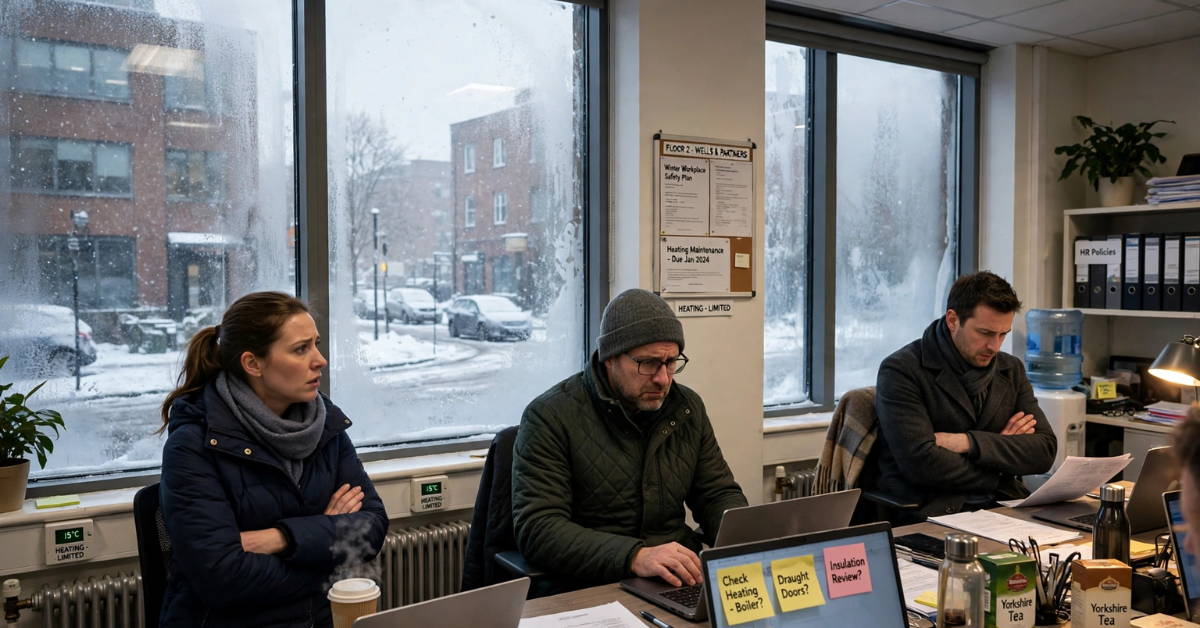
British winters have a habit of catching businesses off guard. One week, employees are opening windows because the office feels stuffy. The next, everyone’s arriving in thick coats, complaining about the cold and wondering whether the heating is actually working.
For business owners, winter brings more than uncomfortable temperatures. Frozen pipes, rising energy bills, staff absences, and unexpected maintenance problems can all interfere with daily operations. A little preparation now could save considerable expense and frustration when the colder weather arrives.
When Did You Last Check the Heating?
Most workplaces rely on their heating systems without giving them much thought. As long as the radiators feel warm, everything seems fine. Unfortunately, minor faults can go unnoticed until the system is working at full capacity during a particularly cold spell.
Booking a professional inspection before winter is a sensible precaution. A qualified engineer can identify potential problems, assess efficiency and recommend repairs before they become emergencies.
For larger premises, working with a commercial heating company can also help businesses assess whether their existing equipment is suitable for the building’s heating requirements. Older systems may struggle to maintain consistent temperatures, particularly in offices, warehouses and commercial units with extensive floor space.
Don’t Let Your Energy Bills Get Out of Hand
Heating a commercial building isn’t cheap, especially when energy escapes through poorly insulated walls, draughty windows or doors that are constantly being opened.
Before increasing the thermostat, investigate where warmth might be escaping. Simple improvements, including sealing gaps around windows, fitting door closers and checking insulation, can make a noticeable difference.
It’s also worth reviewing heating schedules. There’s little point in maintaining the same temperature throughout an empty building overnight. Programmable controls allow businesses to match heating periods with working hours, reducing unnecessary energy consumption.
Could Bad Weather Stop Your Business Opening?
Snow and ice don’t need to be particularly severe to cause disruption. An untreated car park, slippery entrance or frozen external pipe can create problems before employees have even started their working day.
Business owners should identify areas vulnerable to winter weather and establish a practical maintenance routine. Keeping grit available, checking outdoor lighting and ensuring drainage systems remain clear can help prevent avoidable accidents.
It’s equally important to consider how staff will work if travel becomes difficult. Businesses that can accommodate remote working should establish arrangements beforehand rather than making rushed decisions during a weather warning.
Are Your Employees Comfortable Enough to Work?
An office that’s freezing at 9am and unbearably warm by lunchtime isn’t particularly pleasant. Inconsistent temperatures can affect concentration, morale and the overall working environment.
Employers should encourage staff to report uncomfortable conditions rather than assuming everything is fine. Cold spots, blocked radiators and poorly positioned thermostats can sometimes explain temperature differences between rooms.
Remember that employees working in warehouses, reception areas and other spaces exposed to frequent draughts may need additional consideration.
A Little Preparation Beats a Winter Emergency
Winter readiness doesn’t require an expensive overhaul of your workplace. Often, it’s the smaller jobs that make the biggest difference, from arranging routine maintenance to checking that emergency contact numbers are accessible.
Businesses that prepare early are better positioned to handle whatever the British weather delivers. More importantly, they can concentrate on serving customers and supporting employees instead of dealing with problems that could have been prevented.


