Modern homes and offices use far more hazardous materials than most people expect. Cleaning sprays, paints, batteries, adhesives, aerosols, and printer supplies all help daily tasks run smoothly, yet each of these items can create risk if handled or stored without care. As living and working spaces evolve, the need for smarter, safer, and more intentional hazard storage continues to grow.
Smart storage today is not just about locking items away. It is about understanding how different materials behave, creating clear routines for handling them, and choosing equipment that actively reduces the potential for accidents.
Read on to explore how homes and workplaces that adopt smarter systems often find that safety improves, but so does everyday organisation, which makes routines feel easier and more efficient.
Why Smarter Storage Matters
Even small quantities of hazardous products can react, ignite, or leak. Homes often contain mixtures of cleaning products that produce harmful fumes when accidentally combined, whereas offices might store aerosols, batteries, or maintenance chemicals that are sensitive to heat or impact. When these items are kept in random drawers or cupboards, risks increase quietly over time.
A smart hazard storage system is built around three essential principles:
- Accessibility
Safe does not mean difficult to reach. Items that are used frequently should be placed where authorised people can access them quickly, while children, visitors, or untrained staff cannot. Simple lockable compartments and clear organisation make all the difference.
- Containment
If a spill happens, a smart system stops it from spreading. Sealed trays, fire resistant cabinets, and separate compartments prevent fumes or liquids from mixing. Good containment is especially important in offices where a variety of chemicals sit close together.
- Clarity
Labelling, colour coding, and categorised shelving help remove guesswork. When everything has a specific place, it becomes much easier to return items correctly, check quantities, and avoid unsafe combinations.
Together, these principles create a safer and more predictable environment, reducing the chance of emergencies and improving confidence for everyone who uses the space.
The Value of Specialist Storage
General storage cupboards are rarely designed with hazardous materials in mind. They may lack ventilation, proper seals, or the right structure for organising different products. This is where purpose designed equipment becomes invaluable.
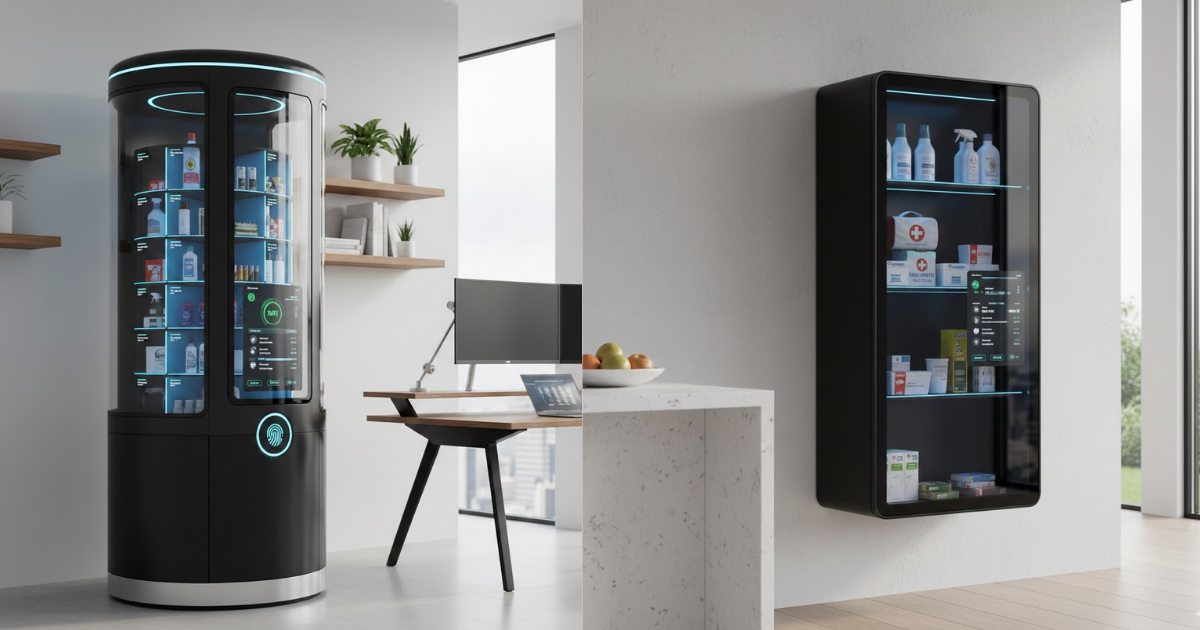
High-quality solutions such as COSHH hazardous storage containers provide features that standard cupboards cannot match. These containers are built to resist fire, isolate incompatible substances, and allow air to circulate safely. They also encourage better housekeeping by providing designated trays and shelves, making it easier to keep track of stock and prevent clutter.
For businesses, specialist storage also supports regulatory compliance and demonstrates a proactive commitment to safety. For homeowners, it brings peace of mind while keeping daily life running smoothly.
Smarter Storage at Home
Hazardous products often live in garages, lofts, or under kitchen sinks, where they are easy to forget until needed. This creates a risk because items may degrade over time, become exposed to heat, or spill unnoticed.
A more intentional approach at home can make a significant difference:
Create a Dedicated Hazard Area
Choose one secure location for all hazardous items. This centralises risk and ensures everything is easy to inspect. It also prevents multiple family members from storing items in different places.
Keep Products in Original Containers
Manufacturer labels provide crucial details such as safe use, warnings, and expiry information. Repackaging chemicals increases the chance of confusion or unsafe mixing.
Control the Temperature
Paints, batteries, and aerosols react poorly to heat. A cool and dry spot protects them from becoming volatile or damaged.
Protect Children and Pets
Simple locks, high shelving, and clearly labelled containers allow families to store necessary items without compromising safety.
Smarter Storage in Offices
Office environments can be busy and unpredictable, which makes structured hazard storage particularly important. Businesses rely on equipment that uses inks, toners, adhesives, and cleaning fluids, all of which need a safe place to live.
Conduct a Hazard Audit
List all materials on site and identify where they are currently stored. This helps reveal gaps in organisation and highlights which products require specialist containment.
Separate Incompatible Items
Some chemicals react if stored too close together. A structured cabinet keeps them isolated and reduces the chance of cross-contamination.
Improve Ventilation
Spaces that store aerosols, solvents, or batteries benefit from airflow that disperses fumes and reduces heat buildup.
Train Staff
Storage only works when people understand how to use it. Short workshops or digital guides teach employees where items should go, how to handle spills, and when to report issues.
Supporting Sustainability
Smart hazard storage plays a significant role in environmental protection. When products are stored correctly, fewer items become damaged or expire prematurely. This lowers waste and reduces the need to purchase replacements.
Preventing leaks also protects indoor air quality and stops chemicals from entering drains or soil. Businesses that prioritise safe storage often find it strengthens their environmental commitments while keeping operations tidy and efficient.
Creating Safer Everyday Spaces
Hazardous materials will always be part of life, but risk does not need to be. With smart storage solutions, clear routines, and a better understanding of how different products behave, homes and offices can become safer, more efficient, and more environmentally responsible.
A well-organised system not only prevents accidents but also supports smoother daily routines and a more confident approach to using the materials that keep modern life running.