
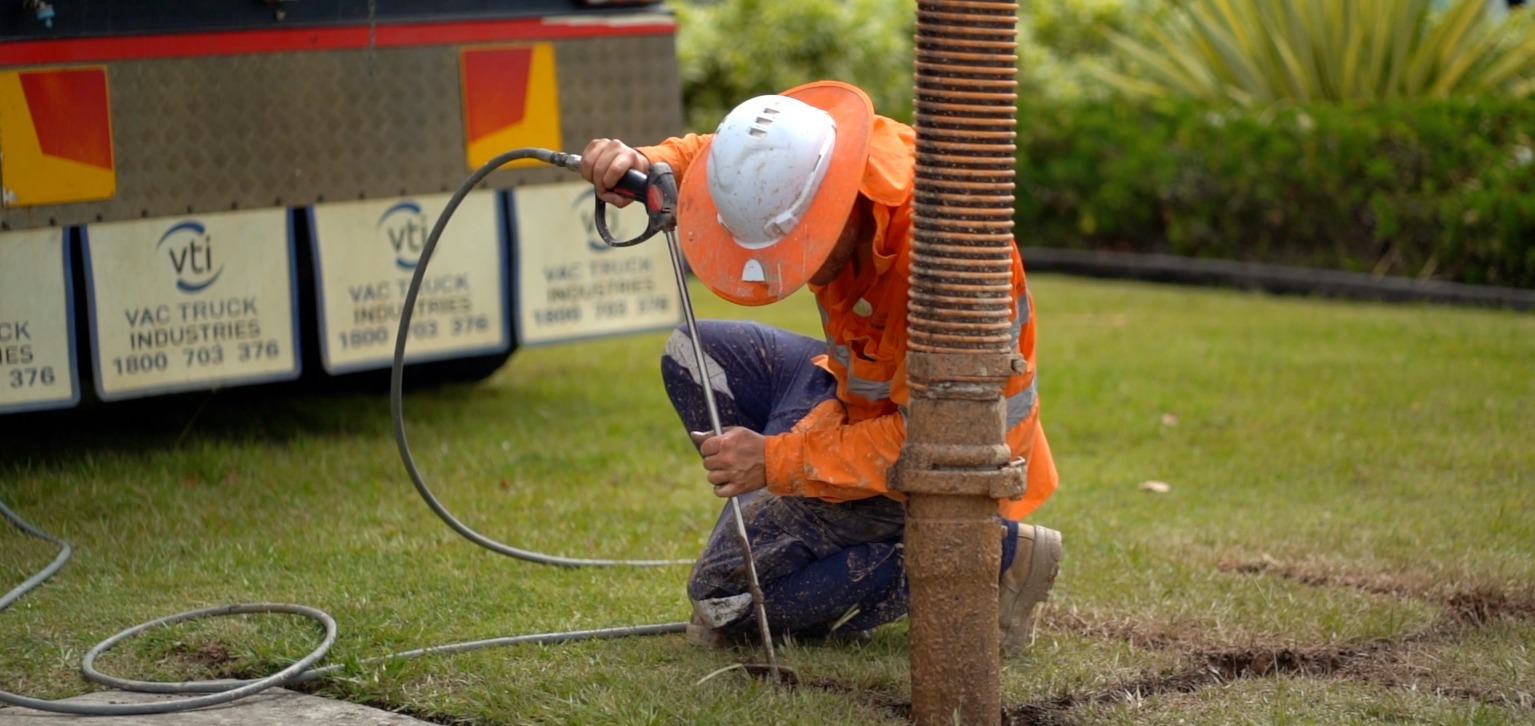
In the realm of construction and civil engineering, vacuum excavation in Brisbane has emerged as a revolutionary technique. This method offers a non-destructive means of uncovering underground utilities and features, ensuring that projects are completed swiftly and safely.
Understanding how vacuum excavation works and the best practices associated with it can provide considerable advantages for projects big and small.
What is Vacuum Excavation?
Vacuum excavation involves the use of high-pressure air or water to loosen soil before a vacuum hose is used to extract the resulting debris. This technique minimizes the risk of damage to underground utilities compared to traditional excavation methods, which often involve heavy machinery and manual digging.
Key Benefits of Vacuum Excavation
One of the primary advantages of vacuum excavation is its precision. The equipment allows for targeted excavation, reducing the likelihood of accidental utility strikes. Additionally, it is suitable for a wide range of soil types and environments, from soft earth to hard ground, making it a versatile option for various projects.
Another benefit is safety. Conventional digging methods can pose safety risks, including the potential collapse of trench sides and accidental damage to utilities. With vacuum excavation, such risks are significantly minimized, protecting both workers and infrastructure.
Applications of Vacuum Excavation in Brisbane
In Brisbane, vacuum excavation is widely used across numerous industries. It is particularly prevalent in projects requiring careful navigation around existing utilities, such as water pipes, telecommunication cables, and gas lines. Moreover, it is often employed in urban settings where space constraints demand precise and minimal disturbance to the surrounding area.
Environmental Considerations
Vacuum excavation is considered environmentally friendly compared to traditional methods. The process minimizes soil disruption and reduces excess waste generation, aligning with sustainable construction practices. Additionally, by preventing damage to existing infrastructure, vacuum excavation helps to avoid environmental hazards such as gas leaks or water contamination.
Cost-Effectiveness and Efficiency
While the initial setup costs for vacuum excavation can be higher than traditional digging equipment, the long-term savings are considerable. Projects tend to complete faster with fewer interruptions, leading to a decrease in labour costs. The precision of vacuum excavation also reduces the risk of costly repairs and associated downtime caused by utility damage.
Best Practices for Vacuum Excavation
For successful vacuum excavation, several best practices should be observed. Training operators thoroughly is crucial to ensure they understand how to use the equipment efficiently and safely. Regular equipment maintenance is also important to prevent malfunctions and ensure optimal performance.
Moreover, clear communication with utility companies prior to commencing excavation is essential to identify potential hazards and establish a safe working environment. Marking utilities accurately and using appropriate maps or schematics can further enhance the safety and efficiency of the process.
Technological Advancements
Recent technological advancements have further streamlined vacuum excavation. Advanced suction systems, enhanced control features, and more powerful compressors have improved efficiency, making the process even more accessible and effective.
Choosing the Right Service Provider in Brisbane
When selecting a service provider for vacuum excavation in Brisbane, it is important to consider their experience, expertise, and equipment quality. Companies like Drains Kleen, known for their comprehensive services, can ensure that projects are executed flawlessly and efficiently.
Checking client testimonials and past project outcomes can provide additional insight into a provider’s reliability and quality of work. Opting for a provider with a proven track record of success can facilitate smoother project execution.
Future Outlook
The future of vacuum excavation in Brisbane looks promising, with continued innovation and increasing demand for safer and more efficient excavation methods. As urban development in the region continues to expand, the need for precise and environmentally friendly excavation solutions will likely increase, making vacuum excavation an integral part of the industry.
By understanding and implementing the best practices associated with vacuum excavation, project managers can not only enhance the safety and efficiency of their operations but also contribute to sustainable development in the region.
Conclusion
In conclusion, vacuum excavation represents a significant advancement in excavation techniques, particularly in urban environments like Brisbane. Its benefits in terms of safety, precision, and environmental impact make it an invaluable tool for modern construction and infrastructure projects. By partnering with experienced service providers and adhering to established best practices, project managers can optimise outcomes and ensure the successful completion of their undertakings.