
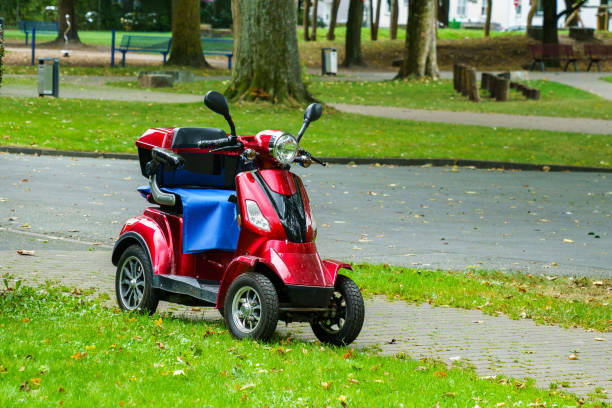
Personal mobility is redefining what independence looks like in modern life. From mobility scooters to compact electric transport, two wheels are becoming a symbol of confidence, control, and freedom. This shift is not just about convenience. It is about giving people the ability to move on their own terms, without relying heavily on others or fixed schedules.
Here is an exploratory look at why personal mobility is becoming the new standard for independence.
1. It Restores Control Over Daily Life
Personal mobility gives people back control of their routines. Simple activities such as shopping, visiting friends, or attending appointments become easier when movement is reliable. Having your own transport means your plans are guided by choice, not limitation. This sense of control is one of the strongest foundations of independence.
2. It Supports Confidence and Self-Reliance
When people can move freely without constant assistance, confidence naturally grows. Personal mobility devices allow users to trust their own abilities and make decisions independently. That trust translates into stronger self-esteem and a greater willingness to engage with the world.
3. It Encourages Active Participation in the Community
Mobility enables connection. Whether it is joining local events, visiting cafés, or simply enjoying outdoor spaces, personal transport makes social interaction more accessible. Two wheels open doors to participation, helping people feel included and engaged rather than isolate.
4. It Makes Independence Practical, Not Just Ideal
Independence is not just a mindset. It is practical and logistical. When people can rely on quality equipment and access to mobility scooter spare parts from trusted providers such as Discount Scooters, independence becomes sustainable rather than fragile. Reliable parts mean fewer interruptions and more confidence in long-term mobility.
5. It Adapts to Different Lifestyles and Needs
Personal mobility is not one size fits all. Different scooters and accessories support a wide range of needs, environments, and preferences. From compact designs for urban spaces to sturdier builds for longer journeys, personal transport adapts to individual lifestyles rather than forcing people to adapt to limitations.
6. It Reduces Dependence on Fixed Transport Systems
Public transport and shared mobility can be restrictive. They follow timetables and routes that may not always suit individual needs. Personal mobility removes these barriers, allowing people to move when and where they choose. That flexibility transforms everyday freedom.
7. It Builds Emotional Independence
Freedom is not only physical. It is emotional. Knowing you can leave the house, explore, and return safely on your own terms creates reassurance and peace of mind. Personal mobility supports a sense of emotional security that strengthens independence.
8. It Promotes Long-Term Stability
Independence thrives when systems are dependable. Regular maintenance, access to spare parts, and quality components ensure that mobility solutions remain reliable over time. Stability in mobility creates stability in lifestyle.
9. It Reflects a Shift in How Society Views Ability
Personal mobility challenges outdated ideas about dependence. It shows that independence can be supported by the right tools and design. Mobility scooters and personal transport are no longer symbols of limitation. They are symbols of empowerment.
10. It Turns Movement into Freedom
At its core, personal mobility is about freedom. The freedom to choose your destination, your schedule, and your pace. Two wheels become a gateway to independence, connection, and confidence.
Personal mobility is not just about changing how people move. It is changing how people live. Freedom on two wheels is becoming a powerful expression of independence, showing that mobility is not about restriction, but about possibility.