
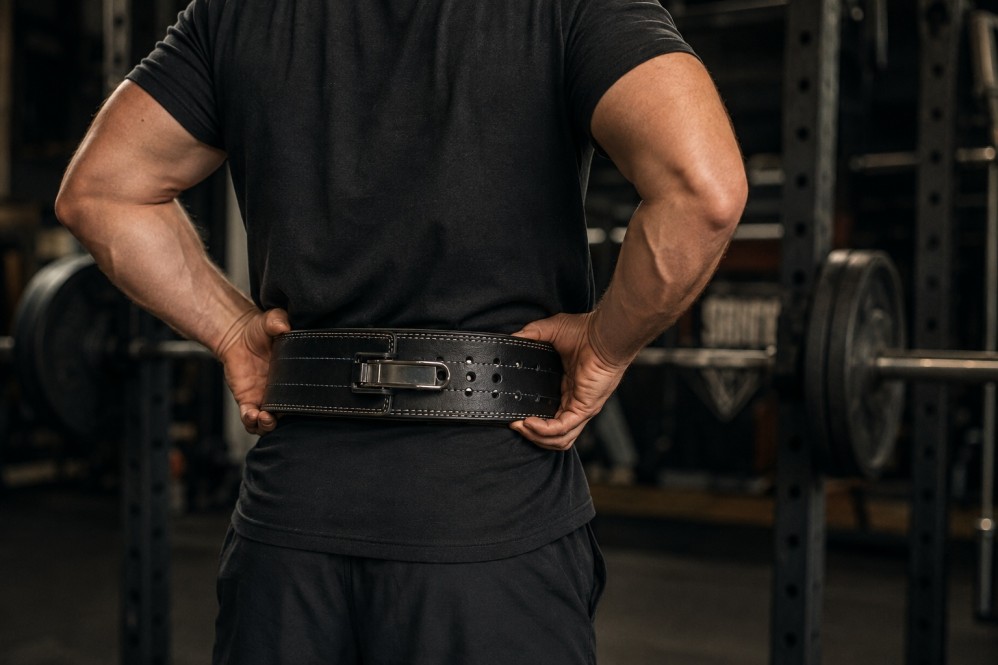
Serious lifters are choosing belts with more clinical attention than before. The goal is not simple back support. A well-matched belt helps the trunk create intra-abdominal pressure, keeps the spine steady, and allows efficient breathing under load. This year, athletes are weighing stiffness, contour, closure style, thickness, and sizing with the same care they give to volume, recovery, and technique.
1. Strong Support Without Poor Movement
Support still drives the purchase, yet excessive rigidity can interfere with bracing mechanics. Lifters need firm contact across the abdomen, ribs, and lower back without losing position. A properly chosen weightlifting belt should help during squats, pulls, presses, and loaded carries while still allowing the athlete to hinge, breathe, and brace with control.
1.1 Better Pressure Control
Effective bracing depends on pressure, not squeezing the waist as tightly as possible. The abdominal wall must push evenly into the belt during a deep breath. Gaps reduce feedback and can make heavy attempts feel uncertain. Consistent contact helps the lifter maintain spinal position when fatigue rises.
1.2 Lift-Specific Shape
Belt shape affects how well an athlete reaches position before the bar moves. A straight, uniform width often suits squats and deadlifts. Tapered profiles may feel better for shorter torsos or deeper hip flexion. Event-focused lifters may prefer greater coverage for carries, stones, and overhead work.
2. Reliable Materials That Last
Material choice matters because serious training exposes gear to sweat, friction, and repeated strain. Quality leather remains valued for dense support and gradual molding to the body. Synthetic construction can suit athletes who need lower weight, faster break-in, or easier cleaning.
Thickness should match the task. Heavy maximal sets often benefit from a firmer build. Faster lifts may call for less bulk around the ribs and hips. Careful buyers now inspect stitching, edge finish, lining texture, hole spacing, and buckle hardware before judging a belt by appearance.
3. Closure Systems That Feel Secure
A closure must hold its position when the lifter braces hard. Lever systems appeal to athletes who want a quick release after demanding sets. Prong buckles offer simple adjustment, which helps during body-weight changes, layered clothing, or varied training blocks.
The right system depends on routine. Some lifters change tightness between warmups, work sets, and assistance exercises. Others prefer one precise setting for every heavy attempt. Security, speed, and adjustability should guide the choice more than trend or habit.
4. Comfort During Hard Sessions
Comfort is not the same as softness. A belt can feel firm while still respecting the ribs, hips, and abdominal tissue. Sharp edges, poor contouring, or awkward buckle placement can distract an athlete before the lift even starts.
Break-in also deserves attention. Dense leather often needs repeated sessions before it settles into the body. More flexible materials may feel natural sooner, though long-term support can vary. The best fit allows pressure without pinching, sliding, or changing the lifter’s setup.
5. Fit Accuracy and Size Range
Sizing should be based on the bracing position, not casual waist measurements. The belt usually sits where the athlete creates pressure during a lift. That point may differ from the narrowest part of the torso.
Adjustment range is important because body size shifts across nutrition phases and training cycles. Small spacing between settings helps athletes avoid a choice between too loose and too tight. A belt should feel secure at the start of a set and remain stable through the final repetition.
6. Competition Rules and Training Goals
Rules can shape the final decision. Some federations restrict thickness, width, or closure type. A belt that works well in the gym may not meet platform standards, so competitors should check requirements before buying.
Training goals matter just as much. Powerlifters often want maximum stiffness for heavy squats and deadlifts. Olympic lifters, on the other hand, may require greater freedom around the hips and ribs. Strongman competitors usually value coverage that handles awkward objects and varied loading angles.
Conclusion
Serious lifters are looking for belts that support physiology, technique, and long-term training demands. The strongest choice is rarely the stiffest option by default. It is the one that improves pressure, respects movement, and stays dependable under repeated strain. By checking material, closure, thickness, shape, and rules before purchase, athletes can choose gear that serves performance without creating avoidable discomfort.