
Caring for someone else can become a major part of everyday life. Whether you are supporting an older parent, a partner or another family member, it is easy to focus so heavily on their needs that your own wellbeing gradually moves further down the list.
However, looking after yourself is not separate from being a good carer. Having enough time to rest, maintain relationships and take care of your own physical and emotional wellbeing can make it easier to provide consistent support over the long term. Small changes to your routine can help create a healthier balance for everyone involved.
Recognise When You Need a Break
Caring responsibilities can build gradually, which means you might not immediately notice how much of your time and energy they require. Tasks such as preparing meals, managing appointments, providing transport and helping with personal care can quickly fill the day.
Pay attention to signs that you are becoming overwhelmed or exhausted. Constant tiredness, difficulty concentrating or feeling unable to make time for ordinary activities can indicate that your current routine needs adjusting.
Taking a break does not necessarily mean stepping away from your responsibilities completely. It can simply mean finding reliable support so that you have regular opportunities to recharge.
Use Respite Services to Give Yourself a Break
Temporary care can be particularly helpful when caring responsibilities have become demanding. Respite services allow someone else to provide appropriate support while the usual carer takes some time away.
Depending on individual circumstances, respite care might be useful for a few days or for a longer period. Exploring a respite care home Bridgnorth can provide an option where a loved one receives support in a dedicated care environment while their regular carer rests, attends to other responsibilities, or simply has some personal time.
Planning respite before you reach the point of exhaustion can be particularly valuable. Knowing that breaks are already built into your routine can make caring responsibilities feel more sustainable.
Make Time for Your Physical Health
When caring for someone else, appointments, exercise and healthy meals can easily be postponed. Over time, repeatedly ignoring these areas can affect your own wellbeing. Try to maintain a manageable routine that includes regular movement, balanced meals and sufficient sleep. Exercise does not have to involve lengthy gym sessions. Walking, gardening or a short home workout can provide an opportunity to move while giving you some time away from everyday responsibilities.
You should also keep up with your own routine health appointments rather than continually prioritising someone else’s schedule.
Accept Offers of Help
People sometimes offer assistance without knowing exactly what would be useful. Instead of automatically declining, consider giving them a specific task. A relative could pick up groceries, prepare a meal or spend an afternoon with the person you care for. Even small amounts of practical assistance can create useful pockets of free time.
Sharing responsibilities can also make the overall care arrangement more resilient. If several people understand important routines and needs, there may be less pressure on one person to manage everything.
Keep Something That Is Just for You
Being a carer may be an important part of your life, but it does not have to become your entire identity. Finding new hobbies and personal interests can provide a valuable sense of continuity.
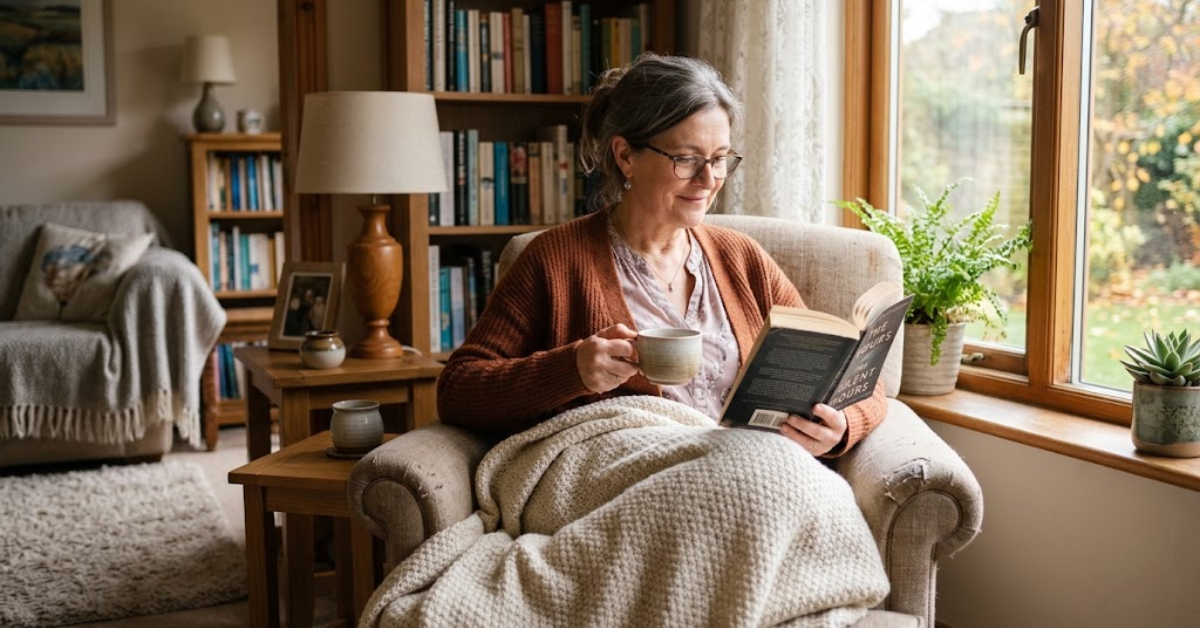
Reading, gardening, crafts, exercise, or meeting friends can all offer opportunities to focus on something unrelated to caring. You do not necessarily need hours of uninterrupted free time. Even setting aside a small amount of regular time for something you enjoy can make a difference.
Create a Sustainable Balance
There may always be busy or difficult periods when caring for someone, so achieving a perfect balance every day is unrealistic. The more useful goal is to create a routine that remains manageable over the long term. Review how responsibilities are divided, make use of appropriate support, and protect some regular time for yourself. If circumstances change, be prepared to adjust the arrangement rather than simply taking on more.