
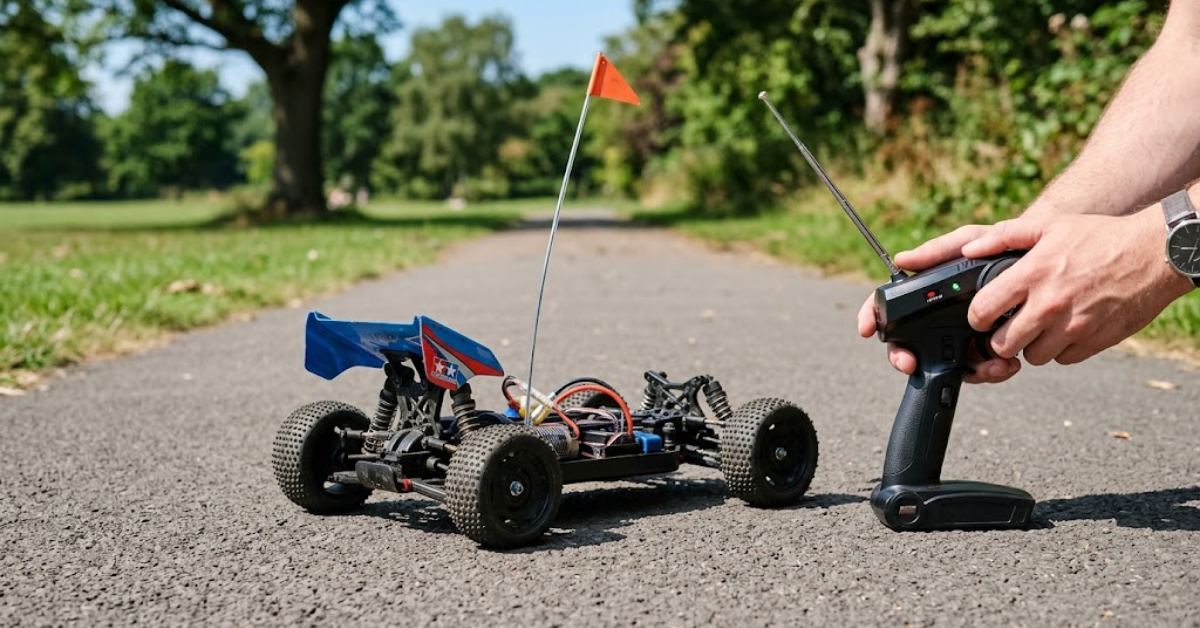
Radio-controlled vehicles offer an engaging and rewarding hobby for enthusiasts of all ages. For those new to the pastime, selecting the ideal RC car can be a challenging task due to the wide variety of models, features, and price points available. This beginner’s guide aims to provide valuable insight into the critical factors to consider when choosing the best RC car for hobbyists, ensuring a satisfying introduction to the hobby.
A fundamental starting point for hobbyists is understanding what an RC car actually entails. Essentially, it is a miniature car controlled remotely via a transmitter, offering realistic driving experiences. Several types exist, including electric, nitro-powered, and gas-powered models, each catering to different user preferences and skill levels.
Types of RC Cars
Electric RC cars are the most common type for beginners. They operate on rechargeable batteries and are typically quieter and easier to maintain than fuel-powered counterparts. Nitro RC cars run on a special nitro fuel and provide higher speeds along with realistic engine sounds. Gas-powered cars are generally more suited for advanced hobbyists due to their complexity and maintenance requirements.
Advantages of Electric RC Cars
Electric RC cars offer several advantages, including lower operational noise, simpler maintenance, and ease of use. They are ideal for indoor and outdoor use and, given their relative simplicity, provide an excellent platform for novices to develop driving skills and mechanical understanding.
When to Consider Nitro or Gas-Powered Models
While fuel-powered models provide enhanced speed and power, they necessitate a greater level of mechanical proficiency and investment in maintenance. Beginners are generally advised to gain experience with electric models before advancing to nitro or gas-powered cars.
Scale and Size
The scale of an RC car represents its size relative to the real vehicle. Popular scales range from 1:10 to 1:18, with 1:10 being a common choice for beginners due to the balance between size and ease of handling. Larger models often deliver more stability and durability, which are advantageous traits for newcomers.
Performance Considerations
Performance factors such as speed, acceleration, and handling are critical when selecting an RC car. Beginners should prioritise models with controlled speeds and reliable handling to facilitate skill development without overwhelming the driver. Many manufacturers offer beginner-friendly models with adjustable speed settings and stable handling characteristics.
Build Type: Ready-to-Run vs. Kit
RC cars are available as Ready-to-Run (RTR) models or kits requiring assembly. RTR models are fully assembled and typically include all necessary components, making them well-suited for beginners. Kits provide a hands-on building experience but are more appropriate for hobbyists seeking a deeper understanding of RC car mechanics.
Advantages of RTR Models for Beginners
For novices, RTR models offer the advantage of immediate use, reducing the entry barrier to the hobby. This approach allows new users to focus on learning to operate and maintain the vehicle rather than navigating assembly intricacies.
Durability and Terrain Compatibility
Consideration of the intended terrain is essential. Hobbyists planning to drive on rough or off-road surfaces should opt for models with robust suspension systems, durable chassis, and appropriate tyres. Durability reduces repair frequency, ensuring an uninterrupted and enjoyable experience.
Battery Life and Charging
Battery life is a significant factor in electric RC cars. Models equipped with high-capacity batteries deliver longer run times, which is particularly beneficial for beginners still developing proficiency. Attention should also be paid to charging time and compatibility with available chargers.
Control Range and Frequency
The control range determines how far the RC car can be operated from its transmitter. Higher ranges provide greater freedom during use. Many modern models utilise 2.4GHz frequency bands, reducing interference and facilitating multiple cars to operate simultaneously without control issues.
Budget Considerations
The price of RC cars varies considerably depending on type, features, and brand. Beginners should establish a reasonable budget that accommodates quality and essential features without unnecessary expense. It is advisable to invest in reputable brands known for reliable components and after-sales support.
Accessories and Spare Parts Availability
Choosing a model with readily available spare parts and accessories simplifies maintenance and future upgrades. This aspect ensures longevity and sustained enjoyment of the hobby without undue difficulties sourcing components.
Conclusion
Selecting the best RC car for hobbyists requires careful consideration of factors including type, scale, performance, and budget. Beginners are encouraged to start with electric, Ready-to-Run models that offer ease of use, durability, and reasonable performance. Understanding these elements will assist new hobbyists in making an informed decision, setting the foundation for a rewarding and sustained engagement with RC car activities.