
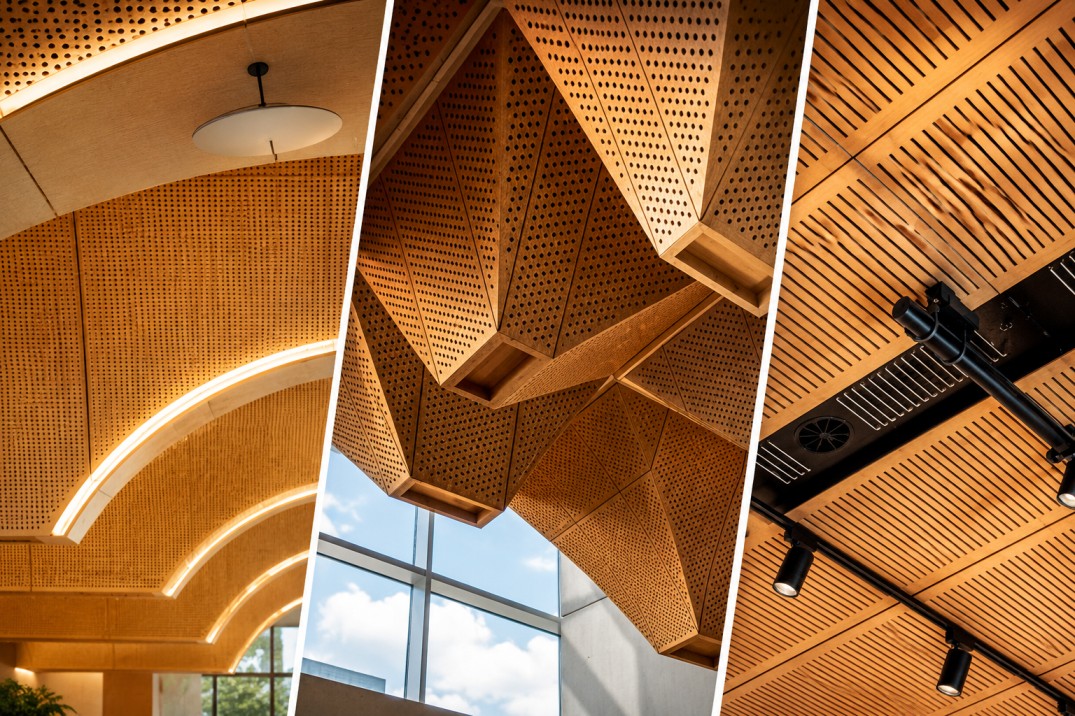
Modern architectural projects demand solutions that combine aesthetic appeal with functionality, durability, and sustainability. Innovative architectural wall solutions provide designers and builders with opportunities to create striking environments that meet these multifaceted requirements.
Among these options, advanced materials and technologies stand out, allowing for creative expression while ensuring structural integrity. One such resource for premium design components is architectural wall and ceiling solutions, which offer a versatile foundation for contemporary building designs.
Understanding the Importance of Architectural Walls
Architectural walls are more than just structural elements; they contribute significantly to the building’s overall character and user experience. These walls influence acoustics, lighting, thermal regulation, and spatial organisation, while also reflecting the design intent and the building’s purpose. Selecting the right wall solutions is crucial as they affect the maintenance, longevity, and environmental impact of the building.
Varieties of Architectural Wall Materials
Innovations in wall materials have broadened the scope for architects, offering enhanced performance and diverse finishes. Commonly used materials include composite panels, fibre cement boards, natural wood, and engineered wood products. These materials are often treated to improve fire resistance, weatherproofing, and pest resistance, ensuring they meet regulatory requirements and sustain harsh environmental conditions.
Composite Panels
Composite panels combine multiple layers of materials, such as metal, polymers, and mineral cores, to provide high strength-to-weight ratios. These panels are adaptable and can be fabricated in various textures and colours, which makes them ideal for unique architectural expressions.
Fibre Cement Boards
Fibre cement boards are appreciated for their robustness and ability to mimic the appearance of traditional materials like timber or stone. They provide good thermal insulation and are resistant to moisture, mould, and fire, which contributes to safer and more energy-efficient buildings.
Wood-Based Panels
Wood panels, including engineered wood products, bring warmth and natural aesthetics to architectural walls. When sourced sustainably and treated correctly, wood panels offer durability and environmental benefits. Their use is frequently seen in both interior and exterior applications.
Benefits of Using Modern Architectural Wall Solutions
Modern architectural walls not only add visual appeal but also integrate performance benefits that align with current building standards and occupant expectations.
Enhanced Durability and Maintenance
High-quality wall solutions are designed to withstand environmental stressors such as moisture, UV exposure, and temperature fluctuations. This endurance reduces the need for frequent repairs or replacements, enhancing the building’s lifespan and lowering long-term maintenance costs.
Improved Thermal and Acoustic Performance
Architectural walls contribute to the building’s energy efficiency by providing insulation that reduces heating and cooling demands. Additionally, walls engineered for acoustics promote indoor comfort by minimising noise transmission between spaces.
Sustainability and Environmental Impact
Many modern wall materials are manufactured with sustainability in mind, featuring recycled content and low emissions in production. Selecting environmentally friendly wall solutions supports green building certifications and encourages responsible resource use.
Design Flexibility Enabled by Architectural Wall Solutions
Innovative wall technologies enable architects to realise creative and functional design concepts. Customisable panel sizes, surface textures, and finishes facilitate unique façades and interiors that elevate the building’s identity.
Additionally, modular wall systems allow for rapid installation and adaptability in future renovations or expansions, offering clients practical benefits alongside design sophistication.
Installation Considerations
Successful implementation of architectural wall systems depends on careful planning, including consideration of structural support, moisture barriers, and adherence to building codes. Working with experienced suppliers and contractors ensures that the wall systems are installed correctly, maximising performance and durability.
Case Studies Demonstrating Innovative Wall Applications
Several recent architectural projects showcase the transformative effect of choosing advanced wall solutions. These examples highlight the integration of aesthetic appeal with functional benefits such as energy efficiency and environmental sustainability.
Commercial Office Buildings
Commercial buildings often use composite panels combined with timber accents to create professional yet inviting environments. The ability to fabricate panels with custom colours and textures adds to branding opportunities and urban appeal.
Educational Facilities
Educational institutions benefit from walls designed with acoustic properties to support concentration and communication. Durable materials also withstand heavy-use environments, maintaining appearance and safety over time.
Residential Developments
In residential architecture, sustainable wood panels are increasingly preferred for their warm aesthetics and eco-friendly credentials. These solutions create comfortable, healthy living spaces aligned with contemporary lifestyle demands.
Future Trends in Architectural Wall Solutions
The evolution of building materials and techniques promises continual improvements in wall technologies. Emerging trends include integration of smart materials that respond to environmental conditions and advanced prefabrication methods that accelerate construction timelines.
Digital fabrication and parametric design tools empower architects to develop highly customised wall systems that optimise performance and visual impact.
Choosing the Right Architectural Wall Solution
When selecting wall systems, it is vital to consider the specific project requirements including climate, building function, budget, and aesthetic goals. Consulting with suppliers such as Supawood can provide valuable insights and access to a broad range of panel options that meet these criteria effectively.
Conclusion
Innovative architectural wall solutions offer considerable advantages in elevating building design through enhanced aesthetics, performance, and sustainability. By leveraging advanced materials and technologies, architects can create distinctive and resilient structures that stand the test of time. Access to high-quality architectural wall and ceiling solutions helps facilitate these outcomes, supporting the successful realisation of ambitious architectural projects.