
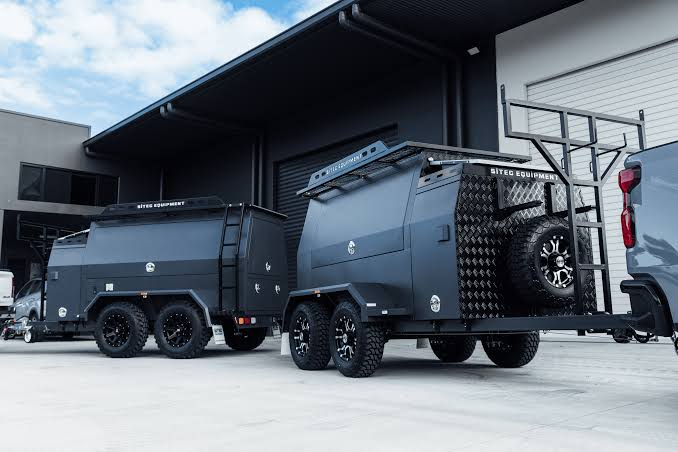
Flat top trailers are indispensable tools in the transportation and logistics industry, offering versatility and efficiency for carrying a variety of loads. This comprehensive guide explores how flat top trailers can be optimally utilised to enhance operational productivity.
One of the key benefits of flat top trailers is their open and unobstructed design, which allows for the easy loading and unloading of goods from all sides. This flexibility can significantly reduce loading times and streamline workflows.
Understanding Flat Top Trailers
Flat top trailers, commonly referred to as flatbed trailers, are characterised by a flat, level platform with no sides or roof. This design facilitates transporting oversized items or awkwardly shaped materials that would not fit into standard enclosed trailers.
The absence of sidewalls means that securing the cargo correctly is critical to ensure safety during transit. Proper tie-down techniques and equipment, such as straps and chains, are essential components of flat top trailer usage.
Applications and Uses
Flat top trailers are widely used across various industries including construction, agriculture, and manufacturing. They are ideal for transporting heavy machinery, building materials, pipes, lumber, and large pallets.
The ability to carry loads of different shapes and sizes without restriction makes flat top trailers a preferred choice for many hauliers and transport companies.
Key Advantages of Flat Top Trailers
Several advantages make flat top trailers an efficient solution for many logistical needs:
- Flexibility in transporting diverse cargo
- Ease of loading and unloading
- Capacity to carry oversized and irregular cargo
- Reduced risk of damage to goods due to open-top design
Choosing the Right Flat Top Trailer
Selecting a flat top trailer tailored to specific operational requirements is vital for maximising efficiency. Factors such as weight capacity, length, width, and load rating must be considered.
Additionally, compatibility with the towing vehicle and adherence to local regulations are important considerations during selection.
Maintenance and Safety Practices
Routine maintenance of flat top trailers is paramount to ensure their longevity and reliable operation. This includes regular inspection of the deck, tires, lights, and tie-down equipment.
Safe loading practices, including evenly distributing weight and securing cargo correctly, contribute significantly to preventing accidents and ensuring compliance with transport laws.
Innovations in Flat Top Trailer Technology
Recent advancements in materials and design have enhanced the performance of flat top trailers. Lightweight alloys and reinforced decking improve durability while reducing the overall weight of the trailer, contributing to fuel efficiency.
Furthermore, integration of safety features such as anti-lock braking systems and reflective markings has improved operational safety during transport.
Environmental Considerations
Utilising flat top trailers efficiently can contribute to reduced environmental impact by maximising load capacity per trip and minimising unnecessary journeys.
Companies committed to sustainability should consider modern trailers designed for fuel efficiency and reduced carbon emissions.
Training and Operator Competence
Effective training programmes for operators are essential to maximise the benefits of flat top trailers. Knowledgeable personnel can efficiently handle loading, securing cargo, and operating the trailers safely.
Training also ensures compliance with industry standards and legal requirements, reducing risks associated with transport operations.
Conclusion
Flat top trailers offer unmatched versatility and efficiency for a wide range of transport applications. By understanding their features, proper usage, and maintenance, businesses can significantly enhance operational productivity and safety.
Investing in the right flat top trailer and ensuring competent handling will result in improved logistics performance and cost savings.