
When industrial equipment breaks down, the consequences can extend far beyond the cost of repairing it. Production schedules can be disrupted, employees may be left waiting for machinery to become operational, and businesses can face unexpected expenses while essential equipment sits idle.
Although some mechanical failures are unavoidable, others develop because of maintenance mistakes that could have been addressed much earlier. Recognising these common oversights can help businesses protect their equipment and reduce the likelihood of expensive downtime.
1. Waiting Until Something Breaks Before Taking Action
One of the most expensive maintenance mistakes is treating repairs as something to consider only when equipment stops working.
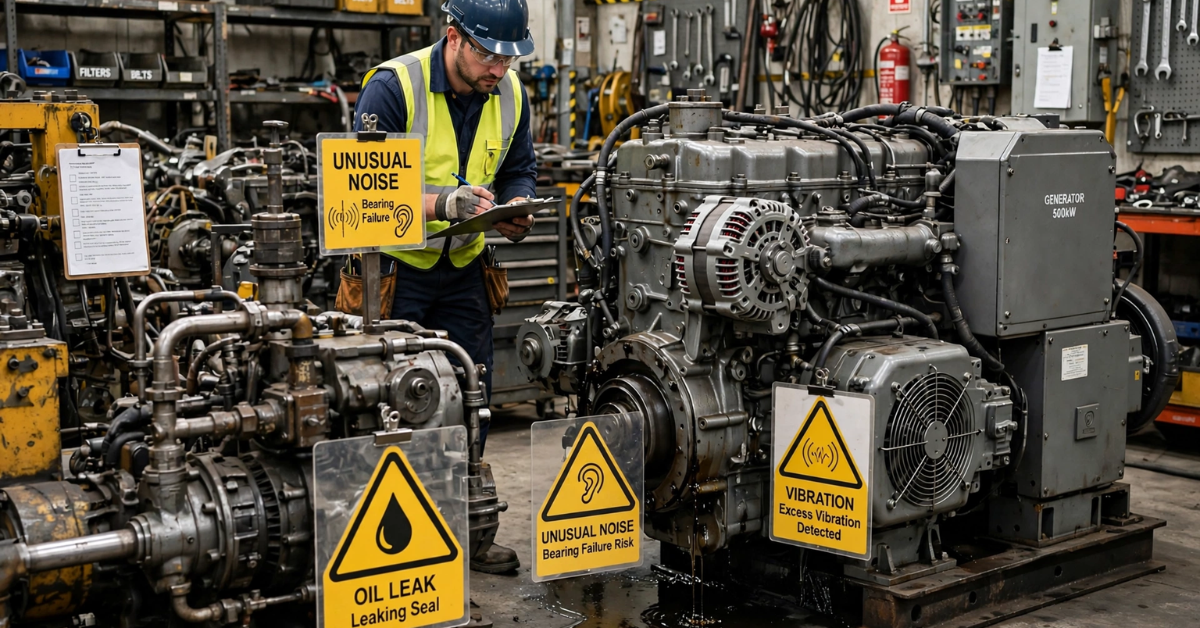
Industrial machinery often gives warning signs before a major failure occurs. Unusual vibrations, changes in operating temperature, excessive noise, and declining performance can all indicate developing problems.
Regular inspections and preventative maintenance allow technicians to investigate these symptoms before they become serious. A relatively straightforward repair today could prevent a much larger mechanical failure tomorrow.
2. Ignoring the Importance of Engine Maintenance
Diesel engines are essential to many industrial operations, powering everything from generators to heavy machinery. However, their reliability depends on consistent servicing and careful monitoring.
Contaminated fuel, neglected filters, inadequate lubrication, and cooling system problems can gradually affect engine performance.
Businesses operating diesel-powered equipment should follow manufacturer-recommended maintenance schedules and investigate performance changes promptly. When more extensive work is required, specialist diesel engine services can help identify mechanical problems and determine whether repair or overhaul is appropriate.
3. Using the Wrong Lubricants or Skipping Lubrication Checks
Lubrication plays a vital role in protecting moving components from excessive friction and wear.
Unfortunately, using an unsuitable lubricant can be almost as damaging as failing to lubricate equipment altogether. Different machines require particular oil grades, grease types, and servicing intervals.
Maintenance teams should follow manufacturer specifications, check lubricant condition, and avoid assuming that one product is suitable for every application.
4. Overlooking Small Leaks and Unusual Noises
A minor fluid leak or unfamiliar rattling sound might not seem urgent when equipment is still operating normally. However, these symptoms can indicate worn seals, loose components, pressure problems, or developing mechanical damage.
Rather than allowing small faults to become part of everyday operations, businesses should encourage employees to report anything unusual. Early investigation can prevent further deterioration and help keep machinery operating safely.
5. Failing to Keep Accurate Maintenance Records
Without reliable records, it becomes difficult to establish when equipment was last serviced, which components have been replaced, or whether a particular fault keeps returning. A maintenance log should record inspections, repairs, replacement parts, and any concerns raised by operators. These records can help businesses identify recurring problems, plan future servicing and make informed decisions about ageing machinery.
6. Allowing Production Pressures to Delay Servicing
When workloads increase, taking machinery out of operation for routine servicing can seem inconvenient. Unfortunately, repeatedly postponing maintenance may result in a much longer shutdown later.
Businesses should plan servicing around operational demands wherever possible, ensuring that essential checks are not continually delayed. A few hours of scheduled maintenance is often easier to manage than several days of unexpected downtime.
Keeping Equipment Reliable for Longer
Industrial equipment represents a significant investment, and protecting that investment requires more than occasional repairs.
Consistent inspections, appropriate servicing, and prompt attention to developing faults can all contribute to improved reliability. By addressing maintenance mistakes before they lead to serious mechanical problems, businesses can reduce disruption and keep essential machinery working when it’s needed most.