
Extending a home is about more than just gaining space. The best extensions feel effortless-integrated into the rhythm of daily life, enhancing natural light, circulation and connection. Whether it’s a kitchen-diner at the back of a London terrace or a side-return addition to a Victorian semi, good design begins long before walls are drawn.
Getting the layout right is the single most important step. It determines how the extension will work, how it will feel, and ultimately, how it will improve the way you live.
Start with Purpose, Not Size
A successful extension layout begins with clarity of intent. Before planning dimensions, ask what the space needs to do. Is it for family gatherings, quiet work, entertaining, or everyday living?
Many homeowners rush into sketches based on square footage alone-but functionality matters more than footprint. A smaller, well-proportioned space with good light, flow and zoning often feels far more generous than a larger but poorly arranged one.
It helps to map out your daily routine-where you cook, sit, eat, relax, or work-and see how an extension could naturally enhance those patterns.
Flow Between Old and New
One of the most common design mistakes in extensions is creating a beautiful new space that feels disconnected from the existing house. The transition between old and new must be seamless, both visually and functionally.
Key considerations include:
- Alignment of levels – Avoid awkward steps or thresholds between spaces.
- Continuation of sightlines – Keep internal views open to maintain flow and daylight.
- Material consistency – Use subtle repetition in flooring, joinery or wall finishes to unify spaces.
- Zoning through light or ceiling height – Define areas without closing them off.
The goal is to create continuity, not contrast. The best layouts feel as though they were always meant to be there.
The Power of Natural Light
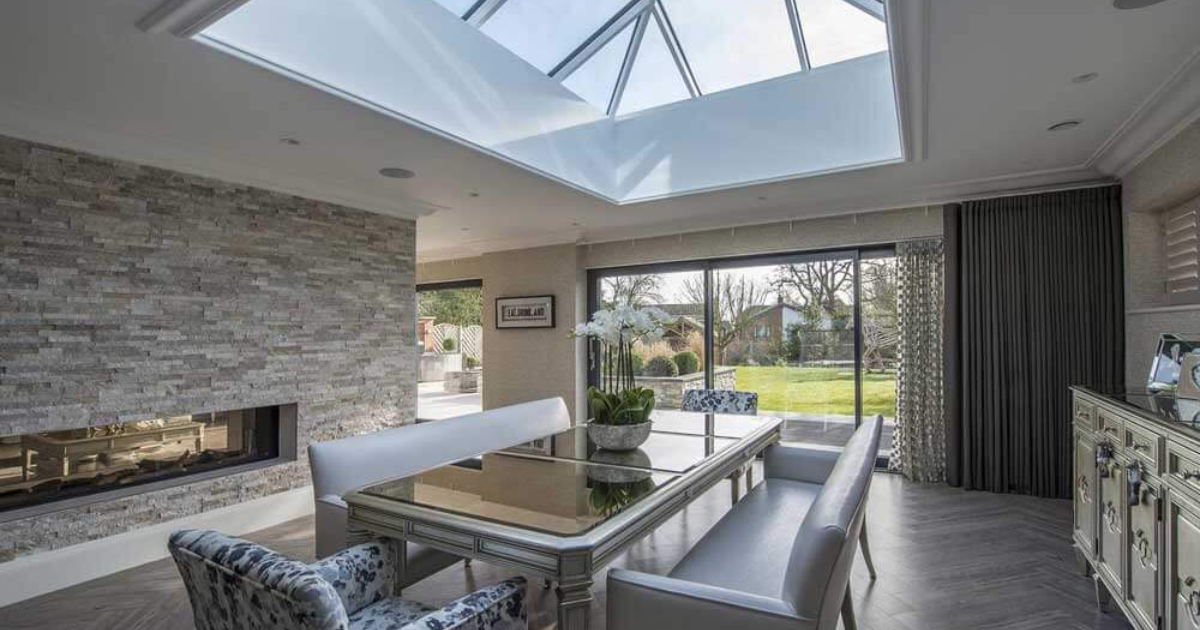
Light defines how a space feels-more than colour, texture or furniture ever could. A well-planned extension layout works with the movement of the sun throughout the day.
Consider:
- Rooflights to bring daylight deep into the plan
- Glazed corners or slim-frame sliding doors for visual connection to the garden
- High-level windows for privacy without sacrificing brightness
- Strategic wall placement to prevent overshadowing
Light is not just illumination-it’s atmosphere. When used intentionally, it becomes a design tool that shapes everything else.
Connection to the Outdoors
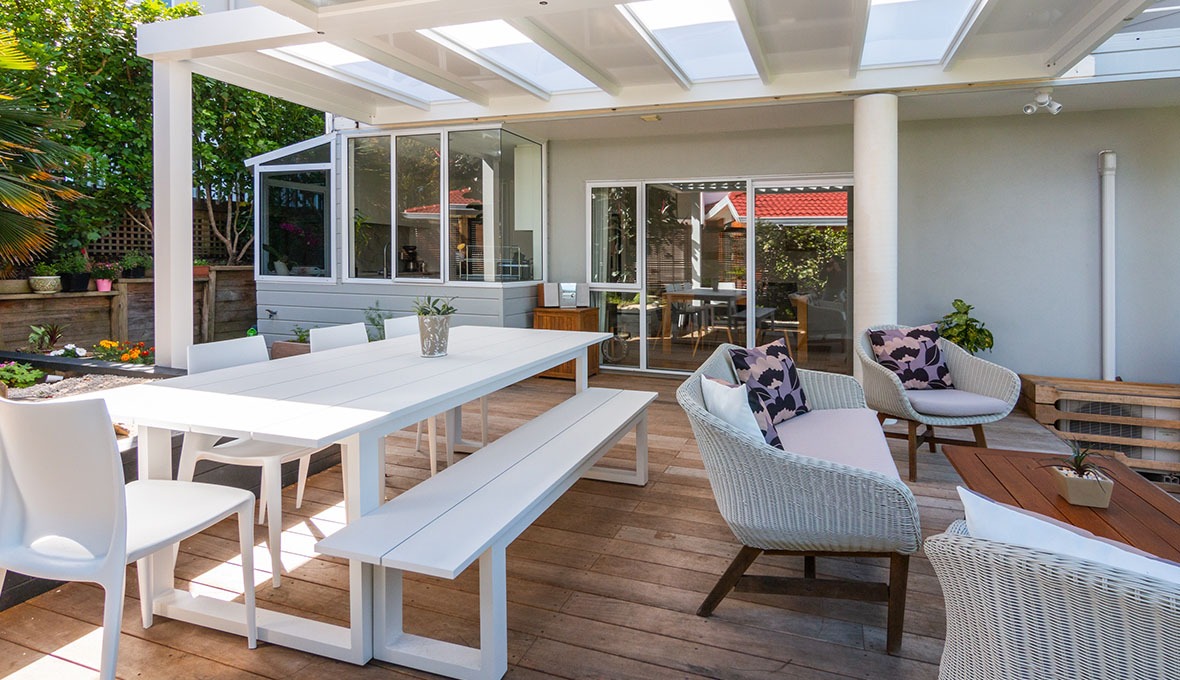
Modern living often blurs the line between inside and outside, and your extension layout should reflect that. The relationship between interior and garden is a key part of the design.
Think about how you want to use the outdoor space: dining, relaxing, gardening, or play. Align key areas of the extension with those outdoor zones. Use glazing, consistent paving, or folding doors to extend the sense of space visually, even when closed.
The aim is to make the garden feel like a continuation of the living area, not a separate element.
Plan for Flexibility
Good layouts are designed not just for how you live today, but for how you might live tomorrow. Families grow, work habits change, and lifestyles evolve.
When designing your extension:
- Allow for adaptable furniture arrangements
- Include power points and lighting options for different setups
- Consider future uses (e.g. a home office that can later become a guest room)
- Keep circulation routes clear for potential reconfiguration
Flexibility keeps a home relevant for years to come.
Detail Defines Success
Finally, remember that the success of a layout depends on the details that support it. Door swings, window proportions, kitchen positioning, radiators, and storage solutions-all affect how a space functions day to day.
Every square metre counts, so precision is key. Small design decisions often have the biggest impact on comfort and usability.
Thoughtful planning, natural light, and a clear connection to the garden-these are the foundations of any great extension. Homeowners looking for design inspiration and practical guidance on proportion, flow and materials can explore more architectural insights at https://www.as-architects.co.uk/.