
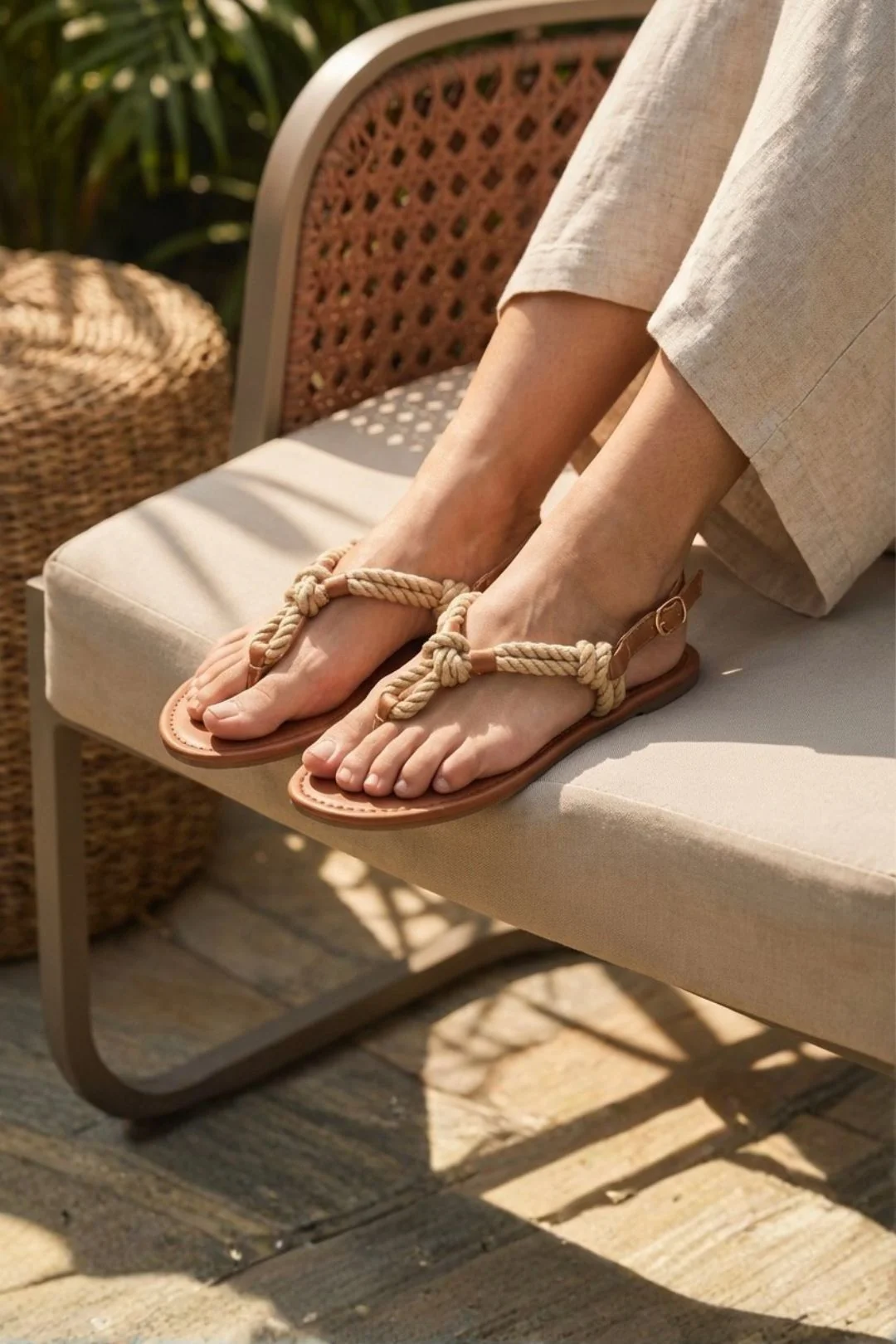
There’s a specific window in late summer when the intensity of the heat has eased just enough to make longer days outdoors more comfortable, without the season having fully turned yet. For women who’ve spent the summer in Summer barefoot Shoes for Women, this stretch is often when the benefits of minimalist footwear become most apparent, after weeks of adjustment and regular wear.
Why late summer feels different underfoot
By this point in the season, feet have typically adapted to warm-weather movement patterns: more time spent walking, less time in structured footwear, more exposure to varied outdoor surfaces. This adaptation period matters, because it’s often only after several weeks of consistent wear that the full comfort and flexibility of a well-fitted barefoot shoe becomes noticeable in everyday movement.
Women who started the season cautiously, alternating between minimalist and conventional shoes, often find themselves reaching for the barefoot pair more naturally by late August, a shift that happens gradually rather than as a single deliberate decision.
What still matters this late in the season
Ventilation remains essential
Even as peak heat begins to ease, warm afternoons and humid evenings still call for breathable materials. A shoe that traps heat becomes uncomfortable quickly, regardless of how well it performed during cooler parts of the day earlier in the summer.
Sole flexibility for varied late-summer activity
Late summer often means a mix of activities: city walks, weekend trips, evenings spent outdoors as temperatures cool. A sole that stays flexible across these different contexts, without sacrificing protection, is what makes a pair genuinely versatile rather than suited to just one type of day.
Fit that has settled in properly
By this stage in the season, any pair worn consistently should have fully broken in. If discomfort or tightness persists this late into summer, it’s usually a sign the fit needs reassessing rather than something that will simply resolve with more wear.
Making a well-worn pair last through the transition
A pair that has seen consistent summer wear benefits from a few simple habits as the season winds down: checking the sole for uneven wear patterns, cleaning off accumulated dust or salt from beach and outdoor use, and allowing the material to fully dry between wears rather than storing it away damp.
These small steps extend the life of the shoe and often reveal, at a glance, whether gait or fit adjustments happened naturally over the course of the summer, information that’s genuinely useful when choosing footwear for the season ahead.
Carrying the benefits into autumn
One of the more understated advantages of minimalist footwear is how well it tends to carry over into cooler months, particularly in climates where the shift from summer to autumn happens gradually. Women who’ve built up foot strength and balance over the summer often notice these benefits persist well beyond the season that prompted the switch in the first place, a reminder that the adjustment period, while sometimes uncomfortable early on, tends to pay off long after the shoes themselves have been put away for the year.
A season worth reflecting on
As summer closes, it’s worth taking stock of how the transition actually went: what felt natural, what still needs adjusting, and whether the current pair is ready for another season or due for replacement. This kind of reflection, more than any single feature of the shoe itself, is what turns one summer of experimentation into a lasting change in how feet are cared for year-round.


