Single-wall paper cups are widely used for hot beverages thanks to their simplicity and cost-effectiveness. However, their basic construction offers limited heat retention compared to multi-layer alternatives. There are, however, several ways to enhance their ability to retain heat for longer while maintaining the single-wall format, including enhancements to the material, design and usage.
One method is to increase the thickness and density of the paperboard. Single-wall cups can be made using heavier-grade paperboard with a higher fibre density. Thicker paper slows the transfer of heat from the beverage to the external environment, thereby reducing heat loss over time. Although this slightly increases material usage, it is still more economical than adding extra walls or sleeves.
Barrier and coating technologies also influence thermal performance. Traditional single-wall cups use polyethylene linings to prevent leakage, but newer water-based or bio-based coatings can be designed to improve insulation. These coatings reduce moisture absorption and maintain the cup’s structural integrity at higher temperatures, preventing softening and enabling the beverage to retain heat more effectively.
Another important enhancement involves surface treatments and textures. Although they are still classified as single-wall, cups can have lightly embossed or textured exterior surfaces. These micro-textures reduce the contact area between the cup and the surrounding air, thereby slowing heat dissipation. While not as effective as full ripple structures, such surface modifications provide additional insulation benefits without altering the basic construction of the cup.
Cup geometry also plays a role in heat retention. Taller, narrower single wall hot cup reduces the beverage’s exposed surface area compared to wider formats, thereby limiting heat loss through the liquid’s surface. Additionally, reinforced rims and bases help to maintain the shape of the cup and reduce heat escape points, particularly during handling and transport.
Using well-fitting lids is another essential consideration. A significant amount of heat is lost through an open cup top. Secure paper, fibre-based or compatible plastic lids reduce steam escape and help retain temperature. Even if the cup itself is single-walled, using an effective lid can significantly extend the time for which the beverage remains hot.
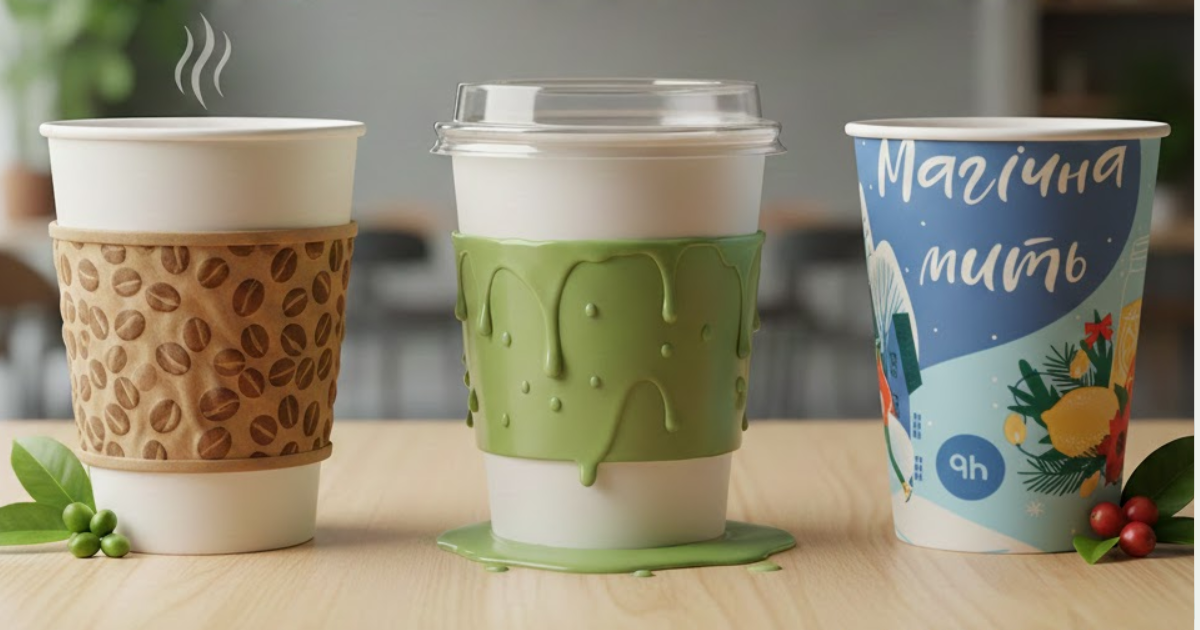
Although they do not alter the structure of the cup, external accessories can improve its performance. Cardboard sleeves are commonly used with single-wall cups to provide additional insulation. Although they are technically separate components, they enable businesses to retain the cost advantages of single-wall cups while improving heat retention and handling comfort. Branded sleeves also add marketing value without the need to redesign the cup itself.
Other operational factors affect heat retention. This includes pre-warming cups before filling them, using higher initial beverage temperatures within safe limits and minimising delays between preparation and serving. These process-based enhancements are particularly relevant in high-volume coffee service environments.
All these enhancements mean that single-wall cups remain a viable option for hot beverages where cost-efficiency and simplicity are priorities, while still delivering an acceptable level of temperature retention for takeaway consumption.