
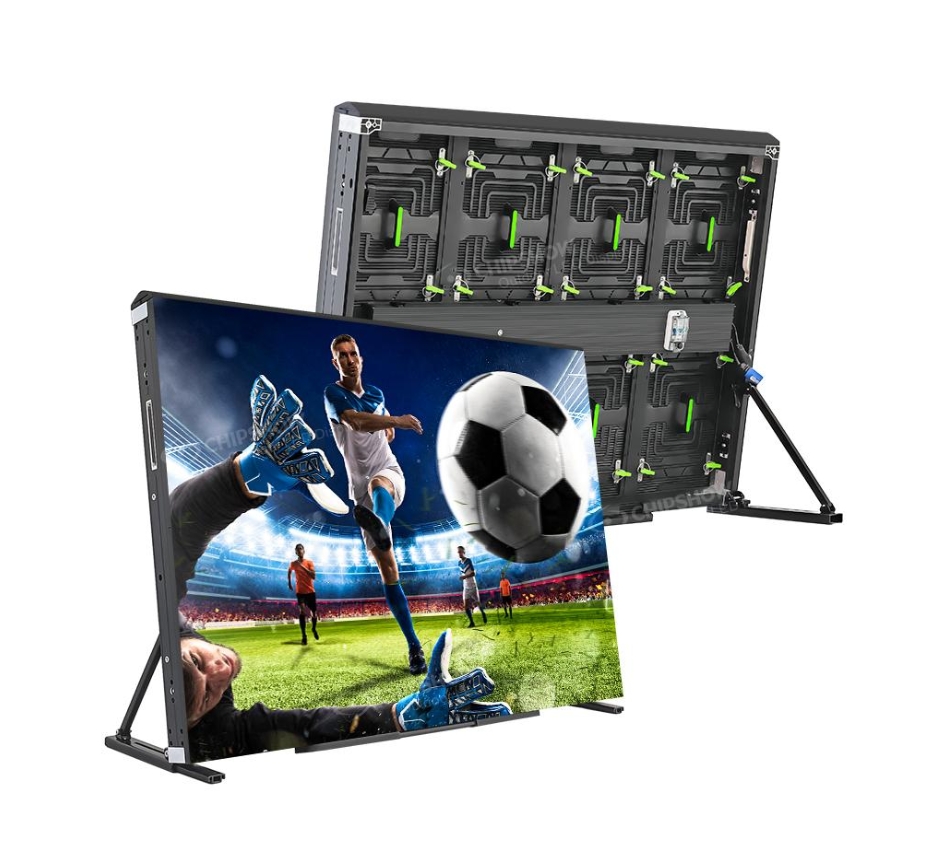
Digital outdoor advertising has fundamentally changed how brands connect with audiences. Unlike static posters, outdoor digital billboards deliver dynamic, eye-catching content that adapts in real time—making them one of the most powerful tools in modern advertising. For installers and project managers, however, the opportunity comes with a genuine challenge: how do you meet increasingly sophisticated technical demands without blowing a client’s budget?
The answer lies in deliberate, informed planning. Understanding the technology you’re deploying—not just how to mount it, but why each specification matters—is what separates a profitable project from a costly one. This guide is built specifically for installers who need practical, actionable knowledge to plan and execute outdoor digital billboard projects with confidence. We’ll walk through the core technology fundamentals that drive display performance, break down the critical specifications you need to master before any client conversation, explore strategic upgrade paths that protect long-term value, and provide a concrete step-by-step execution framework. Whether you’re quoting your first large-format LED installation or optimizing your workflow on your tenth, the strategies here will help you deliver results that satisfy clients and protect your margins.
Foundations of Modern Outdoor Digital Billboards
Outdoor digital billboards have evolved dramatically from their static predecessors. Where traditional signage locked advertisers into a single message for weeks or months, today’s installations deliver full-motion video, real-time data feeds, and remotely updated content—all from a centralized management system. At the heart of this transformation is Outdoor LED Display technology, which uses arrays of light-emitting diodes to produce vivid, high-brightness imagery visible even in direct sunlight. This capability makes LED the undisputed standard for large-format outdoor advertising.
A typical outdoor digital billboard system consists of four core components working in concert. The LED panel modules form the visible display surface, assembled in a grid to achieve the desired screen size. A media player or controller processes and delivers content to those panels. A power distribution system manages electrical supply, while a structural mounting framework—whether a ground-mounted pole, wall bracket, or rooftop rig—keeps everything safely in place. Each component directly affects installation complexity, long-term reliability, and total project cost.
For installers, understanding how these elements interact is not optional—it’s the foundation of every successful project. Clients increasingly expect technical fluency from their installation partners, and informed planning from the outset prevents costly mid-project corrections. Knowing what drives performance, durability, and maintainability allows you to make smarter specification choices, set accurate expectations, and ultimately deliver installations that perform reliably for years.
Critical Technical Specifications for Installer Success
Walking into a client meeting without a firm grasp of display specifications is a liability. Clients are more informed than ever, and your ability to translate complex technical parameters into clear, practical recommendations is what builds trust and wins repeat business. Beyond client relations, specification knowledge directly affects installation outcomes—wrong choices at the quoting stage cascade into performance failures, callback costs, and damaged reputations. The three specifications below represent the areas where installers most frequently encounter costly surprises, and mastering them gives you a decisive advantage.
Mastering Pixel Pitch for Optimal Display Clarity
Pixel pitch measures the distance between the centers of adjacent LED clusters, and it determines the minimum viewing distance at which content appears sharp. Smaller pixel pitch means higher resolution but also higher cost per square meter. For highway installations viewed from 50 meters or more, a larger pixel pitch—typically P8 to P16—delivers excellent clarity at a fraction of the cost of fine-pitch panels. Pedestrian zones and urban storefronts, where viewers stand within 5 to 15 meters, demand tighter pitches in the P3 to P6 range. Matching pixel pitch to actual viewing distance prevents over-specification that inflates budgets unnecessarily. Manufacturers like Chipshow LED offer product lines spanning this full pitch range, which makes it easier to source appropriately matched panels for different project environments without switching suppliers mid-project.
The Advantages of Front & Rear Serviceable Designs
Display modules that support both front and rear access fundamentally change the economics of long-term maintenance. In installations where rear access is obstructed—rooftop rigs, wall-flush mounts, or tight urban locations—front-serviceable panels allow technicians to swap faulty modules without dismantling the mounting structure. This cuts service time dramatically and reduces the skilled labor costs associated with each maintenance visit. When planning installations in constrained environments, specifying front and rear serviceable modules from the outset is a straightforward way to protect your client’s operational uptime and your own service margins.
Enhancing Projects with Smart Poles Integration
Smart poles consolidate multiple infrastructure functions into a single vertical structure, combining display mounting with integrated power conduits, fiber or wireless networking, environmental sensors, and sometimes EV charging or public Wi-Fi. For installers, planning smart pole integration early eliminates redundant civil works and simplifies permitting by reducing the number of separate infrastructure elements requiring approval. They also position your client’s installation as future-ready—capable of accommodating additional smart city services without structural modification—making them a compelling value-add when presenting proposals to municipal or high-visibility commercial clients.
Designing a Cost-Effective Upgrade Path for Client Value
Cost-effective outdoor billboard projects aren’t built on the cheapest components available—they’re built on decisions that minimize total cost of ownership over the installation’s full lifespan. The difference between a project that strains a client’s budget and one that delivers lasting ROI often comes down to how thoroughly upgrade potential was considered before a single panel was ordered. Installers who embed scalability into their planning from day one create installations that grow with their clients rather than requiring full replacement when requirements change. This approach requires a structured methodology across three areas: understanding what the client actually needs, choosing hardware that accommodates future changes, and sequencing deployment to align spending with demonstrated returns.
Evaluating Client Needs and Budget Parameters
Before specifying any hardware, a structured consultation should establish three things: the client’s core advertising objectives, their realistic budget ceiling, and their appetite for phased investment. Ask directly whether they anticipate expanding screen count or adding locations within 24 to 36 months. Clients who plan to grow benefit from modular systems even if the upfront cost is slightly higher, while clients with fixed single-site budgets may prioritize immediate performance over expandability. Documenting these parameters early prevents scope creep and gives you a defensible rationale for every specification decision in your proposal.
Selecting Hardware with Future Upgrades in Mind
Not all display hardware ages equally. When evaluating panels, controllers, and content management software, prioritize systems built on open standards and modular architectures. Controllers that support firmware updates and expanded input configurations allow you to adopt new content formats without hardware replacement. Panel cabinets designed to accept next-generation module inserts mean clients can improve resolution later without replacing the entire structural frame. Choosing manufacturers who maintain backward-compatible product lines is equally important—it ensures replacement parts and upgrade components remain available years into the installation’s operational life.
Phased Implementation to Manage Costs and Risk
A phased rollout strategy aligns capital expenditure with proven performance, reducing financial risk for both client and installer. Begin with the core display infrastructure—primary screen, controller, and essential power systems—and plan subsequent phases around measurable outcomes. Phase two might introduce additional display zones or enhanced content management capabilities once the initial installation demonstrates audience engagement metrics. Phase three could incorporate smart pole features or sensor integration as the client’s operational confidence grows. Structuring contracts to reflect these phases also creates natural checkpoints for reassessing technology choices, ensuring later-phase investments benefit from advances in display technology that weren’t available at project inception.
Step-by-Step Project Planning and Execution Guide
Technical knowledge and strategic planning only deliver results when translated into disciplined on-the-ground execution. For installers, having a repeatable, structured process from initial site visit through post-installation monitoring is what separates consistently profitable projects from unpredictable ones. The following framework gives you a concrete sequence to follow on every outdoor digital billboard engagement.
Comprehensive Site Assessment and Preparation
Before any hardware is ordered, conduct a thorough site evaluation covering five critical areas: structural integrity of the mounting surface or foundation, environmental exposure including prevailing wind loads and direct sunlight angles, available power supply capacity and proximity to the distribution point, sight-line analysis confirming unobstructed viewer angles, and local permitting requirements including zoning restrictions and illumination ordinances. Document findings with photographs and measurements. Identifying a structural deficiency or permit complication at this stage costs hours; discovering it during installation costs days and significant rework expense.
Best Practices for Efficient and Safe Installation
Begin installation with the structural framework, verifying plumb and load ratings before mounting any electronics. Route power and data cabling through conduit prior to panel installation—retrofitting cable management afterward wastes time and compromises weatherproofing. When mounting LED modules, work systematically from one corner to ensure consistent alignment across the cabinet grid. After all panels are seated, perform a full-white and full-color calibration sequence before connecting the live content feed. Document the calibration baseline; this reference point accelerates diagnosis of any brightness or color uniformity issues that emerge later.
Developing a Long-Term Maintenance and Monitoring Plan
Deliver every installation with a written maintenance schedule covering quarterly visual inspections, annual thermal imaging of electrical connections, and firmware update cycles aligned with the manufacturer’s release cadence. Configure remote monitoring software to generate automated alerts for temperature anomalies, brightness deviations, or controller connectivity failures—catching issues before they become visible faults dramatically reduces emergency service calls. Build a technology refresh checkpoint into the contract at the 36-month mark, giving clients a structured opportunity to evaluate resolution or feature upgrades without feeling pressured, while keeping your service relationship active and billable.
Building Expertise for Long-Term Billboard Project Success
Planning a cost-effective outdoor digital billboard project demands more than sourcing affordable hardware—it requires technical fluency, strategic foresight, and disciplined execution at every stage. The specifications you master before a client meeting, from pixel pitch selection to serviceability design, directly shape whether a project delivers lasting value or generates costly callbacks. Equally important is embedding scalability into your planning from the outset: hardware built on open, modular architectures and rollouts structured in measurable phases protect both your client’s capital and your own service margins over the installation’s full lifespan.
The step-by-step framework covered here—thorough site assessment, systematic installation practices, and proactive maintenance planning—gives you a repeatable process that reduces unpredictability and strengthens client confidence with every engagement. Installers who combine this technical grounding with a genuine understanding of their clients’ business objectives consistently outperform competitors who treat outdoor digital billboards as purely mechanical projects.
The outdoor advertising landscape will continue evolving rapidly, with smarter infrastructure, higher-resolution display technology, and deeper data integration reshaping what clients expect from their installations. Staying ahead of those shifts isn’t about chasing every new product—it’s about building the foundational knowledge and planning discipline that let you evaluate new technology clearly and deploy it confidently. The strategies in this guide provide exactly that foundation.


