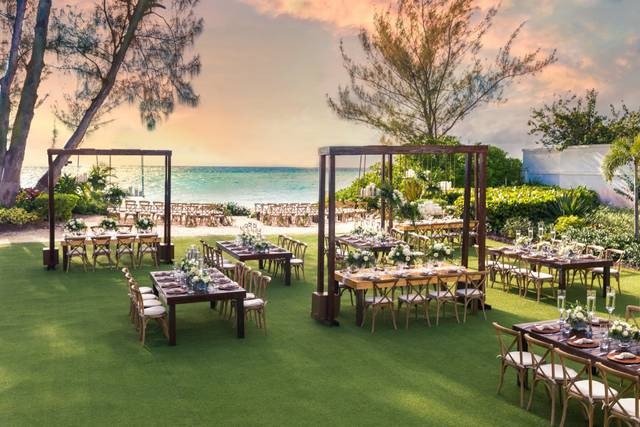

Travel photography demands gear that is lightweight, versatile, and capable of producing stunning results. For decades, photographers faced the challenge of choosing between portability and image quality. But in recent years, the rise of micro 4 thirds lenses has changed the game. This compact system offers travelers the perfect balance of performance and convenience, making it an increasingly popular choice among enthusiasts and professionals alike.
In this article, we’ll explore why micro four thirds systems are revolutionizing travel photography, what advantages they bring, and how you can make the most of them on your next adventure.
The Origins of the Micro Four Thirds System
The micro four thirds (MFT) system was introduced in 2008 by Olympus and Panasonic. It was developed as a mirrorless alternative to bulky DSLR systems, featuring a smaller sensor size (17.3mm x 13mm) and a shorter flange distance, which allowed for more compact lens and camera designs.
This innovation provided photographers with a portable system that didn’t compromise on flexibility. Today, micro four thirds cameras and lenses continue to evolve, offering features like advanced image stabilization, high-resolution sensors, and professional-grade optics.
Why Micro Four Thirds is Ideal for Travel Photography
When you’re on the move, whether trekking in the mountains or exploring city streets, you don’t want to be weighed down by heavy gear. The micro four thirds system stands out for several reasons:
1. Compact and Lightweight Design
One of the biggest advantages of the MFT system is portability. Compared to full-frame setups, micro four thirds gear is significantly smaller and lighter. Travelers can carry multiple lenses without the burden of extra weight, making long shooting days much easier.
2. Versatility Across Lenses
From ultra-wide landscapes to long telephoto zooms, micro four thirds offers a wide range of lens options. The system provides a 2x crop factor, meaning a 50mm lens effectively acts like a 100mm on a full-frame, giving you extended reach without carrying massive glass.
3. Exceptional Stabilization
Many MFT cameras feature in-body image stabilization (IBIS), often combined with lens stabilization. This makes it possible to capture sharp shots even in low-light conditions or when shooting handheld—perfect for spontaneous travel moments.
4. Cost-Effective Without Sacrificing Quality
Compared to full-frame lenses, micro four thirds lenses are often more affordable while still delivering excellent sharpness and performance. This makes the system an attractive choice for photographers who want professional-level results without a massive investment.
Popular Types of Lenses for Travel Photography
If you’re building a kit around micro four thirds, here are some essential lens categories to consider:
- Wide-Angle Zooms (7–14mm or 12–35mm): Great for capturing sweeping landscapes or architectural details.
- Standard Zooms (12–40mm): Versatile for everyday shooting, from street scenes to portraits.
- Telephoto Zooms (40–150mm or 100–300mm): Perfect for wildlife, sports, or isolating subjects in crowded places.
- Prime Lenses (25mm or 45mm): Ideal for portraits and low-light travel photography thanks to wide apertures.
This lens variety allows photographers to adapt to virtually any scenario while still packing light.
Adapting Four Thirds Lenses on Micro Four Thirds
One of the lesser-known strengths of the system is the ability to adapt older four thirds lenses to newer MFT bodies. Using an adapter, photographers can mount legacy Olympus and Panasonic four thirds glass onto micro four thirds cameras, extending the range of available optics.
This compatibility gives photographers access to a broad spectrum of creative options. If you’re considering this route, you’ll find excellent guides on using four thirds lenses on micro four thirds systems effectively.
Image Quality: Does Size Really Matter?
Some photographers hesitate to use micro four thirds because of its smaller sensor compared to APS-C or full-frame cameras. While sensor size does impact low-light performance and depth of field, advancements in MFT technology have narrowed the gap significantly.
Modern micro four thirds cameras produce exceptional detail, vivid colors, and high dynamic range—more than enough for professional travel photography. Additionally, the 2x crop factor often works in favor of travel photographers, providing extra reach with smaller telephoto lenses.
The Creative Benefits of MFT Lenses
Travel photography isn’t just about documenting places—it’s about telling a story. Micro four thirds lenses provide tools for creativity in every scenario:
- Street Scenes: Use compact primes to shoot discreetly without drawing attention.
- Landscapes: Wide-angle zooms allow you to capture immersive scenes with sharpness across the frame.
- Night Photography: Fast aperture primes let in more light, making them great for capturing cityscapes or starry skies.
- Cultural Events: Lightweight telephoto lenses help you capture people and performances without being intrusive.
This flexibility empowers photographers to adapt to diverse environments while still traveling light.
Why Photographers Are Switching to Micro Four Thirds
In the past, professionals were reluctant to leave behind full-frame systems. But as MFT technology continues to advance, more photographers are making the switch—or at least adding MFT to their kit for travel.
Key reasons include:
- Portability without sacrificing performance.
- A wide range of high-quality lens options.
- Affordability and accessibility for enthusiasts.
- Advanced features like IBIS, 4K video, and weather-sealed bodies.
For travelers, these advantages make micro four thirds one of the most practical systems available today.
Final Thoughts
Travel photography requires flexibility, mobility, and creativity—and the micro four thirds system delivers on all fronts. With its compact size, versatile lens selection, and impressive image quality, it offers a compelling alternative to bulkier setups.
Whether you’re capturing breathtaking landscapes, vibrant street markets, or once-in-a-lifetime cultural experiences, micro 4 thirds lenses give you the freedom to travel light while still achieving professional results.
For photographers looking to invest in gear that balances convenience with quality, Diamonds Camera provides a wide selection of micro four thirds options designed to meet the demands of modern travel shooters.