
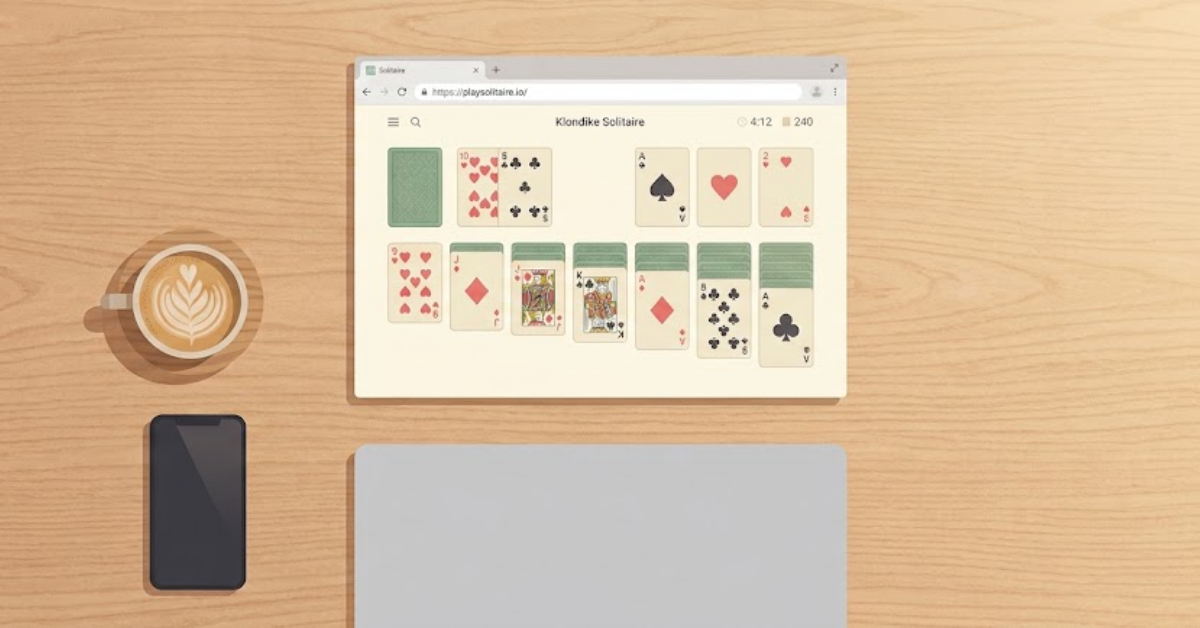
Modern games can be remarkable, but they often ask for a commitment before the fun begins. There may be an account to create, a large download, several updates and a tutorial that assumes you have the evening free. Classic browser games offer a useful alternative. Opening PlaySolitaire takes a player directly to a familiar table and a clear task. That immediate start is more than convenience. It shows respect for the person on the other side of the screen, especially when they only have a few spare minutes.
Instant access removes the first barrier
The distance between deciding to play and actually playing matters. Every required login, notification request and download gives someone another reason to leave. A focused browser game reduces that distance. It loads where the player already is and avoids asking them to reorganise their device around a single activity. This makes it useful on a lunch break, while waiting for a call or during a quiet moment at home.
Familiar rules let players begin with confidence
Good design does not always need novelty. A well known game can rely on knowledge people already carry with them. Solitaire is a strong example because many players recognise the card layout and basic objective at a glance. PlaySolitaire can therefore spend less time explaining itself and more time letting the player make meaningful choices. The interface supports the rules instead of competing with them.
A complete session should fit the time available
Some digital entertainment is designed to keep going until the user actively escapes it. A bounded game works differently. One round has a beginning, a sequence of decisions and an ending. The player can enjoy a complete experience without promising to return every day or protect a complicated progress system. That makes a short session feel chosen rather than stolen from something else.
Simple does not mean thoughtless
Low friction games can still reward attention. The appeal comes from reading the situation, considering alternatives and living with a decision. There is enough uncertainty to make each round different, but not so much complexity that a player needs to relearn the experience after a week away. The interface can stay visually quiet because the interest comes from the position itself. This balance is one reason familiar card games remain comfortable across devices and generations.
The quiet future of browser play
The web does not need every game to become a platform. There is still value in small, reliable experiences that do one thing well. The best browser games open quickly, communicate clearly and let people leave when they are ready. They also remain easy to revisit after days or months away. The player does not have to remember a complex inventory or study a changed competitive system. Familiarity becomes a feature rather than evidence that the idea is outdated. This approach also makes the game more welcoming to people who use older devices or prefer not to install another app. Access is part of the design, not an afterthought. A focused game can therefore feel both nostalgic and genuinely useful. In a digital world that constantly asks for more attention, a game that knows when it is finished can feel refreshingly modern.