
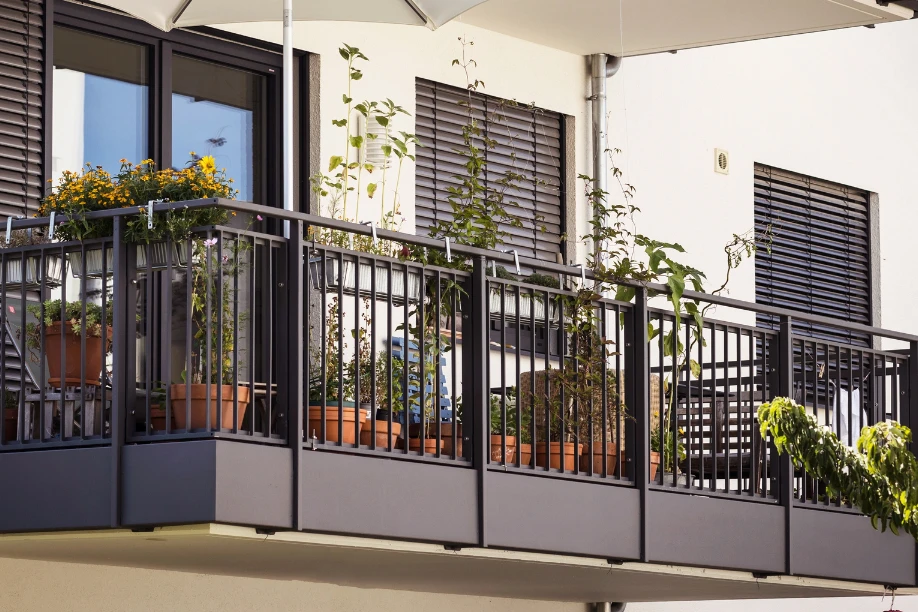
Balconies add valuable outdoor living space to homes, apartments, condominiums, and commercial properties. They provide a place to enjoy fresh air, take in a view, entertain guests, or create a small garden retreat. However, a balcony is only truly enjoyable when a durable, well-designed railing system protects it.
A safety balcony railing is more than a decorative architectural detail. It is a critical safety feature that helps prevent falls, clearly defines the edge around elevated areas, and gives residents and visitors greater confidence while using the space. Whether a property has an aging balcony enclosure or is planning a new outdoor addition, choosing the right railing materials, height, layout, and installation approach can make a lasting difference.
Why Should Balcony Railing Safety Always Be a Priority?
Any elevated platform presents a potential risk without adequate edge protection. This is especially true for balconies used by children, pets, older adults, guests, and residents carrying items in and out of the home. A properly installed railing creates a physical barrier that reduces the likelihood of accidental falls while still allowing people to enjoy the surrounding environment.
Don’t treat safety as an afterthought. Railing systems need to withstand regular use, changing weather conditions, wind pressure, leaning, and occasional impact. A loose post, weakened connection, corroded fastener, or damaged rail can compromise the entire system. Even seemingly minor wear can become a serious concern over time if left unaddressed.
A well-built railing should feel stable whenever someone rests a hand against it or leans nearby. It should also have appropriately sized openings to help prevent children or pets from slipping through. The design should account for the specific property, balcony height, expected use, and local building requirements.
Common Signs a Balcony Railing Needs Attention
Property owners should inspect balcony railings regularly, particularly after severe weather or when a structure has been in place for many years. Some concerns are immediately obvious, while others can develop gradually beneath paint, coatings, or surface materials. One of the most common warning signs is movement. A railing should not wobble, shift, or pull away from the balcony deck, wall, or supporting structure. Loose posts can indicate deteriorating hardware, water damage, weakened framing, or improper original installation.
Rust and corrosion are also important to watch for on metal railing components. Surface rust may be treatable, but deep corrosion can weaken the material and affect its ability to support pressure. Coastal and humid environments can be especially challenging for exposed metal because moisture and salt in the air may accelerate deterioration.
Wood railings can develop their own problems. Splitting, warping, rotting, insect damage, and loose fasteners can reduce both appearance and safety. If paint or sealant is peeling, the underlying wood may be exposed to moisture for extended periods.
Other signs that deserve attention include:
- Cracked or missing balusters
- Gaps that appear wider than intended
- Damaged welds or separated metal connections
- Sagging horizontal rails
- Peeling paint or damaged protective coatings
- Deteriorating concrete around post anchors
- Gates or access points that do not latch securely
- Sharp edges, protruding screws, or splintered surfaces
Addressing these issues early can help avoid more extensive repairs later and may reduce the risk of an unexpected failure.
Choosing the Right Railing Material
Balcony railings are available in several materials, each with different strengths, maintenance needs, and visual characteristics. The best option depends on the property’s style, environmental exposure, budget, privacy preferences, and the balcony’s intended use.
Wood railings can provide warmth and a classic appearance that works well with traditional homes, cottages, porches, and outdoor decks. They can be painted or stained in a wide range of colors, allowing property owners to coordinate the railing with the building’s exterior. However, wood requires routine sealing, staining, painting, and inspection to help prevent moisture damage and decay.
Aluminum railings are often valued for their corrosion resistance and clean appearance. They are lightweight but durable, available in many finishes, and generally require less maintenance than wood. Aluminum can be a practical choice for modern homes, condominiums, and properties in humid environments.
Steel railings offer strength and can support a variety of custom designs. Steel can support wrought iron-inspired styles, decorative balusters, and more industrial designs. However, steel typically needs a protective finish and periodic inspection for corrosion, especially in areas with frequent moisture exposure.
Vinyl railings offer a low-maintenance option that can resemble painted wood in certain styles. They don’t need regular painting and are easy to clean. Still, quality matters, as lower-grade vinyl may fade, crack, or become brittle over time in demanding outdoor conditions.
Glass panel railings provide a more open view and can create a sleek, contemporary appearance. They are often used for balconies overlooking water, gardens, cityscapes, or outdoor living areas. Glass systems require properly engineered panels, strong framing, secure mounting hardware, and regular cleaning to maintain visibility.
Composite railings can provide the look of wood with reduced maintenance. These systems may resist moisture, insects, and warping more effectively than traditional lumber. As with any railing material, choose products designed for exterior structural use rather than relying on appearance alone.
Height, Spacing, and Overall Design
A balcony railing needs to be designed with more than appearance in mind. Its height, the spacing between vertical elements, and the arrangement of horizontal components all influence safety. Required railing height can vary by property type, balcony elevation, location, and applicable building standards. High-rise balconies, commercial properties, or areas with unusual risk factors may require taller railings. Before starting a project, confirm what applies to the specific site. Spacing between balusters, cables, panels, or other infill materials matters as much as the materials themselves.
Limit openings so young children cannot fit through them or get stuck. Designs with horizontal elements may require additional thought because they could create opportunities for climbing. A visually appealing railing should still prioritize a layout that discourages unsafe use. For many property owners, the ideal solution combines safety with style. Vertical pickets can provide a traditional look and help discourage climbing. Glass panels can preserve a view while creating a solid barrier. Decorative metalwork can add character without sacrificing structural strength. You can incorporate privacy screens where desired, as long as they don’t interfere with railing performance or add unplanned wind pressure to the system.
The Importance of Professional Installation
Even premium railing materials can fail to perform correctly if installation is incomplete or poorly planned. Secure attachment points, properly sized posts, suitable fasteners, and durable anchors all affect the finished system’s strength. A professional installer can assess the balcony’s structure before recommending a railing approach. This matters because the railing must connect to a surface that can support it. A deteriorated deck edge, cracked concrete area, or weakened framing system may need repair before installing new railing components.
Installation considerations can include:
- Measuring the balcony perimeter accurately
- Identifying secure mounting locations
- Evaluating the condition of the deck, slab, or supporting wall
- Selecting appropriate posts and rails
- Ensuring consistent baluster or panel spacing
- Using corrosion-resistant fasteners where appropriate
- Creating smooth, stable transitions around corners
- Ensuring gates, if included, close and latch reliably
- Accounting for wind exposure and outdoor conditions
Professional planning can also help prevent common issues such as uneven rail heights, misaligned posts, unstable corners, gaps near walls, and poorly operating gates.
Maintenance Practices That Support Long-Term Safety
A balcony railing should be part of a routine property maintenance plan. The exact tasks depend on the material, but regular care helps preserve both structural condition and appearance. For wood systems, periodic cleaning and resealing can help reduce moisture absorption. Refresh paint or stain before the protective coating deteriorates significantly. Repair damaged boards, cracked rails, and loose fasteners promptly. Metal railings should be checked for chipped coatings, rust, weak welds, and corroded hardware. Cleaning away dirt, debris, and standing moisture can help slow surface deterioration.
Protective touch-up products may help with minor coating damage, but more serious corrosion should be professionally evaluated. Glass panels should be inspected for chips, cracks, loose clamps, and damaged seals. Keeping the glass clean can make it easier to notice issues early. Railings with cable components should be checked for proper tension, secure fittings, and signs of wear. At least once or twice a year, property owners should apply gentle pressure to railing sections and inspect connections. Address any noticeable movement, deterioration, or damaged structural components before the balcony sees heavy use.
Creating a Safer Outdoor Experience
A balcony should feel like an extension of the home or property, not an area that requires constant concern. The right railing system supports that peace of mind by defining the space, protecting the people who use it, and enhancing the property’s visual appeal. From classic wood designs to low-maintenance metal, composite, vinyl, and glass options, there are many ways to create an attractive barrier suited to a property’s needs. The best projects start with an honest assessment of the balcony’s condition, a clear understanding of safety priorities, and careful material selection.
A dependable safety balcony railing is an investment in everyday comfort, property protection, and long-term usability. By choosing a thoughtful design and ensuring proper installation and maintenance, property owners can enjoy their outdoor spaces with greater confidence for years to come.


